Answer: If you need to mill small logs directly where a tree falls or on a job site, a compact chainsaw mill is the practical choice. This guide highlights five reliable options suited for hobbyists, DIY woodworkers, and outdoor builders who want portable, easy-to-use milling on small to mid-size logs. Each product is evaluated for portability, compatibility with common bar sizes, and ease of setup. The table below helps you compare at a glance.
| Product | Best For | Bar Compatibility | Notes |
|---|---|---|---|
| Granberg G777 Alaskan Small Log Mill | Compact milling on small-to-mid logs | Chainsaw bars likely up to 20 inches | Solid steel bar attachment; basic setup |
| Zozen Chainsaw Mill (14”-36”) | Flexible, adjustable first-cut guide | 14″–36″ bars | Advanced, modular design, portable |
| Zozen Chainsaw Mill with Lumber Guide Brackets | Versatile brackets for straight rails | 14″–36″ bars | Includes extra brackets and level system |
| Carmyra Portable Chainsaw Mill 36″ | All-in-one package with rails | Up to 36″ bars | 9 ft rail guide included |
| Granberg G778-36 Alaskan MKIV | Heavier-duty, larger capacity | Up to 36″ bars; heavy-duty milling | Aircraft-grade construction |
Buyer profiles:
– Beginner DIYers: Granberg G777 or Carmyra for straightforward setup.
– On-site woodworkers: Zozen systems for flexible sizes and portable use.
– Durable, higher-volume milling: Granberg G778-36 MKIV for larger slabs and outdoor projects.
Granberg G777 Alaskan Small Log Mill
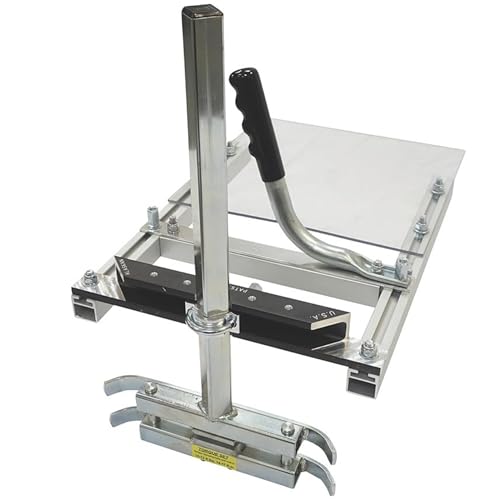
The Granberg G777 is designed to clamp onto a standard chainsaw bar, enabling milling of small to medium logs at the job site. It uses solid steel components and comes with an instruction manual and assembly hardware. Best for buyers who want a simple, no-drill attachment that delivers consistent first cuts on the log as soon as it falls. This option is well suited for hobbyists or professionals milling smaller timber who value straightforward setup and durability. A limitation is bar compatibility; verify your chainsaw bar length to ensure it fits the G777’s clamping range.
Zozen Chainsaw Mill (14”-36”)

Zozen’s 14″–36″ chainsaw mill is positioned as a versatile, modular system. It combines aluminum alloy and steel for durability, with an adjustable milling height and width to produce slabs from 1/2″ to 12″ thick. The design emphasizes portability and multi-size capability, making it a strong pick for users who anticipate cutting various log sizes without swapping attachments. Best for those who want a single setup that can scale from small to mid-size milling. A potential limitation is the more involved assembly and alignment compared with simpler units.
Zozen Chainsaw Mill with Lumber Guide Brackets

This Zozen model includes lumber guide brackets, designed for use on 6″–36″ diameter logs. It maintains the same adjustable 14″–36″ bar compatibility and adds a pair of brackets with levels and screws to help users achieve straighter cuts. Best for buyers who want additional guide rails and a modular approach for rail-length customization. Limitation: like other modular options, accuracy benefits rely on correct setup and calibration of the brackets.
Carmyra Portable Chainsaw Mill 36 Inches
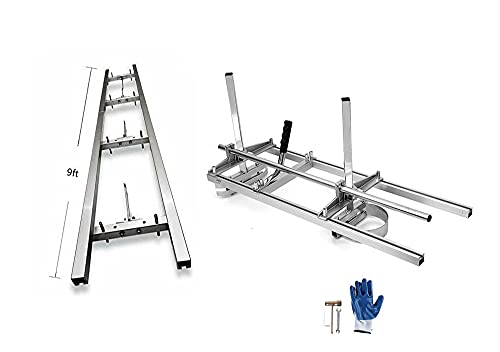
The Carmyra 36″ system includes a 9-foot rail guide, offering a complete milling setup in one package. It is designed for straightforward on-site milling with a longer rail system that supports stable first cuts. Best for users who want a consolidated kit—mill, rail, and guide system—in one purchase. A consideration is transport ease due to the longer rail, which may be less portable for very compact work sites.
Granberg G778-36 Alaskan MKIV

The G778-36 MKIV is Granberg’s larger, higher-capacity model. It uses aircraft-grade aluminum and zinc-plated steel for strength and stability, enabling accurate alignment and consistent milling on logs up to 36″ long and slabs up to 30″ wide. Best for outdoorsy builders and professionals who need sturdy performance for larger projects. A caveat is that its size and weight are greater than smaller models, which can affect portability for some job sites.
Buying Guide
What should I consider when choosing a small log mill chainsaw attachment?
Key factors include bar compatibility, milling width and thickness, overall weight, and portability. Ensure your chainsaw’s bar length matches the attachment’s supported range. Consider whether you need a simple clamp-on unit or a modular system with brackets and rails for longer cuts.
Is a bigger mill always better?
No. A larger mill can mill bigger slabs and tolerate heavier use, but it adds weight and reduces portability. If you mainly mill small logs on remote sites, a lighter model with 14″–36″ compatibility may be easier to carry and set up.
What about setup and accuracy?
Attachment-based mills require careful alignment and a level first cut. Bracket systems and guide rails improve accuracy but demand proper installation. Look for products with clear instructions and stable locking mechanisms to minimize wobble during cutting.
Which option is best for beginners?
For beginners, a simple, clamp-on model like the Granberg G777 offers straightforward setup and reliable performance. A complete kit such as the Carmyra system adds rails for consistency but may require more space for transport.
On-site practicality and durability
Durable construction (aluminum, steel, or zinc-plated components) and corrosion resistance extend life in outdoor conditions. A lightweight design helps with portability, especially if you frequently move between job sites.
Maintenance considerations
Keep track of bar alignment, clamp tightness, and rail wear. Wipe down after use and store in a dry place to prevent corrosion. Regular inspection of bolts and nuts helps maintain cutting accuracy over time.
FAQ
- Do these mills require professional installation? Most are designed for user assembly with included manuals; no specialized tools beyond standard wrenches are typically needed.
- Can I mill any type of log with these attachments? They work best on common softwood and hardwood logs within the bar-size range; extremely hard or knot-filled logs may require additional handling or care.
- Will I need extra rails or brackets? Some models include brackets or allow add-ons; consider future expansion if you plan to mill a variety of log sizes.
- Is milling safe on irregular terrain? Flat, stable surfaces improve accuracy and safety. Use a stable work area and proper PPE during operation.
- How do I ensure straight cuts? Set up the rail or guide system carefully, verify square alignment, and secure all locking points before starting.
- Which mill is best for long-term durability? Models using aircraft-grade aluminum and reinforced steel (such as Granberg MKIV options) tend to offer stronger long-term performance for frequent use.