Answer: A small drill bit sharpener is designed to restore accuracy and extend the life of standard twist bits, masonry bits, and carbide tools. This guide highlights top compact options for hobbyists, DIYers, and professional shops needing precise, repeatable results without bulky equipment. Each product below is evaluated for ease of use, versatility, and performance with common drill bits. The top picks cover a range of bit sizes, angles, and power sources to help you choose the right sharpener for your work.
| Product | Best For | Typical Bit Range | Best Angle Options |
|---|---|---|---|
| Drill Doctor DD750X | Pro-level maintenance and versatility | 3/32″ to 3/4″ | 115°–140° |
| Drill Doctor DD350X | Small shop, frequent quick sharpenings | 3/32″ to 1/2″ | 118° |
| Drill Doctor DD500X | Medium-duty, mixed bit types | 3/32″ to 1/2″ | 118° or 135° |
| BUXUNA Drill Bit Sharpener | All-round electric sharpeners | 1/8″ to 5/8″ | Custom point angles around 130° |
| xvierut Portable Drill Bit Sharpener | Versatile portable sharpening | 3/32″ to 3/4″ | 115°–140° |
Drill Doctor DD750X Electric Sharpener

The DD750X sharpens twist bits from 3/32″ to 3/4″, covering standard sizes used in most home shops and light commercial settings. It is designed to work with steel, masonry, carbide, cobalt, and tin-coated bits, enabling edge restoration on broken bits as well. Best for professional users who require a broad range of bit compatibility and adjustable sharpening angles. Caution: avoid attempting extreme angles beyond the stated range, which could compromise bit geometry.
Drill Doctor DD350X Drill Bit Sharpener

The DD350X is ideal for shops that use common bit styles and primarily work with wood and light metals. It sharpens bits from 3/32″ to 1/2″ and uses a durable diamond wheel. Best for busy small shops needing quick, repeatable sharpenings with low risk of overheating the bit temper. Limitations include a shorter bit range than larger models, so extremely long bits may require a different sharpener.
BUXUNA Drill Bit Sharpener for 5/64–5/8 in Bits

This sharpener offers a durability-focused design with an industrial-strength diamond wheel and a stable nylon shell. It supports sharpening all drill types, including carbide, and can handle multiple bits at once with a two-diamond-wheel setup. Best for users who need efficient, fast restorations in a compact footprint. Caution: ensure proper alignment to achieve precise angles and avoid overheating with prolonged use.
Portable Drill Bit Sharpener 3/32-3/4″ by xvierut
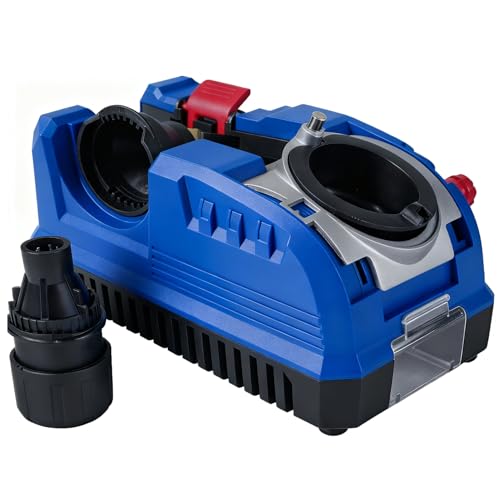
This portable sharpener emphasizes versatility with 115° to 140° adjustable angles and a dual cam port for splitting the cutting edge. It’s a strong choice for both metalworking and masonry bits, enabling quick adjustments to optimize performance. Best for professionals who need to convert standard points to split points for improved cutting efficiency. Limitation: as a portable device, long-term precision relies on consistent setup and alignment after transport.
Electric Drill Bit Sharpener for 3mm–12mm Bits (Generic)
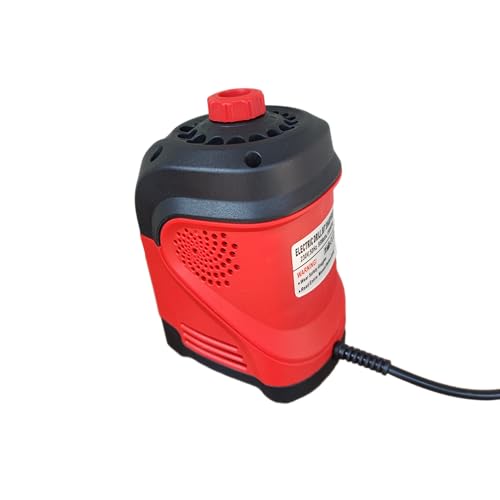
Compatible with HSS and carbon steel bits, this sharpener handles 3 mm to 12 mm sizes with a 118° sharpening point. It’s a practical option for basic maintenance in home shops and smaller garages. Best for occasional sharpener use and budget-conscious buyers. Caution: performance claims may vary with aggressive use or heavy bits over long sessions.
SMARTANG Drill Bit Sharpener Attachment
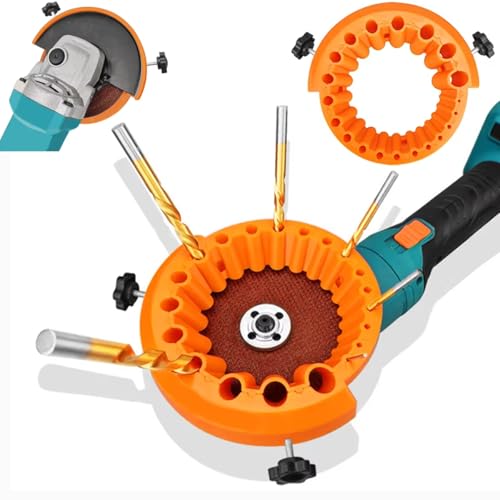
Designed to attach to 4-1/2 inch or 5 inch angle grinders, this sharpener supports 1/8″ to 1/2″ bits. It’s best for turning existing grinders into a dedicated sharpening station for heavy-duty use. Better for users who already own compatible grinders and want a compact, high-strength sharpening option. Limitation: requires an angle grinder to operate, which may add setup time and space requirements.
MDPSDS Electric Drill Bit Sharpener

MDPSDS offers a broad-coverage option suitable for various bit types and sizes. It emphasizes safe operation with simple controls and a compact footprint for home or small shop use. Best for beginners or casual hobbyists seeking an affordable entry into bit sharpening. Caution: performance and durability can vary with heavy-duty, professional workloads.
Buying Guide: Key Considerations for Choosing a Small Drill Bit Sharpener
- What bit ranges do you commonly sharpen? Choose a model that covers your typical sizes (e.g., 3/32″–1/2″ vs. 3/32″–3/4″).
- Which angles do you need? Models offer fixed angles (118° or 135°) or adjustable ranges (115°–140°). Pick based on your preferred bit geometry.
- Power source and portability: Do you need a bench-top unit, a compact handheld, or a grinder-attachment approach?
- Ease of use and setup: Look for products with clear guides, secure bit holding, and minimal alignment requirements.
- Durability and wheel type: Diamond wheels tend to stay true longer; consider wear resistance for frequent sharpening.
- Multiple bits or single-bit focus: Some units sharpen two bits at once or support quick-change operations; decide based on your workflow.
Frequently Asked Questions
- What is the typical sharpening angle for most household drill bits? Most common bits use 118° or 135° angles, though some models offer adjustable angles.
- Can I sharpen broken drill bits with these sharpeners? Some models are designed to restore slightly damaged edges or re-tip bits, but results vary by model and extent of damage.
- Do I need other tools to use a drill bit sharpener? Most units are self-contained, but some can require a separate power source or chuck adapter depending on the design.
- Is a dedicated sharpener better than a grinder for drill bits? Dedicated sharpeners provide precise geometry and repeatable results, reducing the risk of overheating and misalignment compared with generic grinding.
- How often should I sharpen bits? Frequency depends on usage; signs include slower cutting, squealing, or visible dull edges. Regular maintenance extends bit life.
- Are these sharpeners suitable for masonry bits and carbide-tipped bits? Several models explicitly support carbide, cobalt, masonry, and high-speed steel bits; verify wheel type and compatibility for your most-used bit types.