Answer: For cutting plastic, select saws designed for thin, non-metallic materials with smooth cutting action and flexible blades. The top choices below include multi-blade hand saws, mini hacksaws, and pull saws that handle plastic pipes, PVC, and plastic sheets while still performing well on wood and other soft materials. This guide highlights who each tool is best for and why it was chosen, plus practical cautions.
| Product | Brand | Best For | Notes |
|---|---|---|---|
| 8-In-1 Multi Blades Hand Saw | TOOLAN | DIYers needing versatility for plastic, drywall, wood | 8 blades, quick-change, comfortable grip |
| KATA Mini Hacksaw for Metal Cutting | KATA | Hard-to-reach plastic pipes and small spaces | Lightweight, replaceable blades |
| CRAFTSMAN Hand Saw, 12-Inch Hacksaw | CRAFTSMAN | General purpose including plastics in cutouts | Solid frame, deep cuts |
| 2 Pack Japanese Hand Saw | EXTYQWC | Fine, precise plastic trimming and trim work | Double-edged, flexible SK5 blade |
| TOOLAN 10-In-1 Model Craft Hand Saw & File Set | TOOLAN | Fine modeling and plastic detailing | Lockback, quick-change blades, ergonomic |
8-In-1 Multi Blades Hand Saw

The TOOlAN 8-in-1 saw provides eight blades for different materials, including plastic. Best for DIYers who need to switch between drywall, wood, and plastic quickly. The TPR handle reduces hand fatigue during extended use, and the lockback mechanism keeps blades secure for precise cuts. The large blade support and variety of HSS blades enhance durability for tough plastic cuts like PVC piping and rigid sheets. Consider this option if you want a single tool that covers multiple tasks without swapping tools frequently. Caution: ensure the blade is properly secured before cutting to avoid slips.
KATA Mini Hacksaw for Metal Cutting

The KATA Mini Hacksaw offers a compact aluminum frame with a flexible blade suitable for cutting plastic pipes and small plastic sections. Its ergonomic grip helps maintain control in tight spaces, making it ideal for plumbing projects and trimming PVC or plastic irrigation pipes. Replacement blades are included, supporting quick blade changes. Best for tight gaps or precision cuts; avoid this if you need aggressive, long straight cuts in thick plastics since the small frame limits cut length.
CRAFTSMAN Hand Saw, 12-Inch Hacksaw
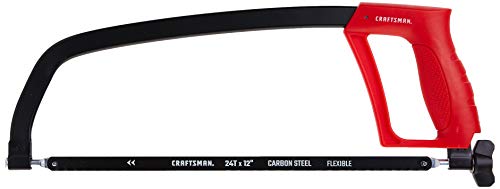
This Craftsman 12-inch hacksaw is designed for deep cuts with a rigid metal frame and secure blade. It supports flush cuts and adjustable blade angles, which can be beneficial when trimming plastic in tight fittings or out-of-square cuts in DIY plastic projects. Best for general purpose use when plastic is contacted alongside wood. Limitation: not as specialized for ultra-thin plastic or very delicate plastic sheets as some pull-saw designs.
2 Pack Japanese Hand Saw
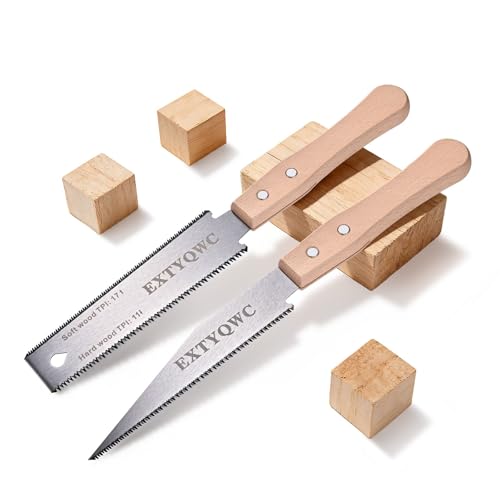
EXTYQWC’s double-edged Japanese pull saw provides two teeth configurations (17 TPI for hard cuts, 11 TPI for softer work). The SK5 blade is flexible and designed for precise, clean cuts in plastic trimming and pipe work. Best for precise, narrow cuts in plastic piping or trim where a pull saw’s action excels. Limitation: smaller blade length may require multiple passes for thicker sections of plastic.
TOOLAN: 10-In-1 Model Craft Hand Saw & File Set

This TOOLAN multi-tool adds a quick-change mechanism and lockback design to hold blades firmly, including craft blades and jig saw blades. The ergonomic, rubber-wrapped handle reduces fatigue during fine plastic modeling and detail work. Best for hobbyists and model makers who need quick blade swaps without wrenches. Limitation: blade set may be more oriented toward lighter, precision tasks rather than heavy demolition cuts.
Buying Guide: key considerations for cutting plastic
- Material type: Plastic types vary from PVC to acrylic. Choose blades with finer teeth for cleaner edges on plastics to minimize chipping.
- Blade flexibility: Flexible blades reduce edge splintering on plastic sheets and pipes. Pull saws and mini hacksaws often provide this advantage.
- Blade change mechanism: Quick-change or lockback designs speed up blade swaps and improve safety during cutting.
- Grip and comfort: An ergonomic handle reduces fatigue when working on long or detailed plastic cutting tasks.
- Cut length and reach: Smaller frames suit tight spaces; longer blades cover more material in straight cuts.
- Versatility vs. specialization: Multi-blade tools save space and cost, while dedicated plastic blades may yield cleaner edges.
Frequently Asked Questions
- Can a standard wood saw cut plastic effectively?
– It can, but edges may chip or crack; use blades with fine teeth designed for plastic when possible. - What blade type is best for PVC pipes?
– A bi-metal or high-speed steel blade with fine teeth; ensure the blade is suited for plastics and pipes. - Are pull saws better for plastic trimming than push saws?
– Often yes, because they require less force and produce smoother cuts in thin materials. - Is a quick-change blade system necessary?
– Helpful for frequent blade swaps, especially in modeling or installation tasks requiring multiple materials. - Should I buy a dedicated plastic-cutting saw?
– If you cut plastic frequently, a dedicated tool with appropriate blades saves time and improves edge quality.