Answering the needs of woodworkers and hobbyists alike, this guide highlights the best sanding tools for woodworking. These picks help with tight spaces, detailed finishes, and everyday projects. The top choices cover detail sticks, bowl and contour sanders, and versatile multi-surface blocks. Best for beginner hobbyists, professional remodelers, and model makers seeking efficiency and clean edges.
| Product | Best For | Why It Stands Out |
|---|---|---|
| Sanding Sticks 50 Pcs, Warmtree | Detail work and tight spaces | Dual-grit 120/280 with matchstick design for hard-to-reach areas |
| RUITOOL Bowl Sander Kit | Curved interior surfaces | Dual bearings, flexible head, and ergonomic handle for long sessions |
| Milescraft 1622 Sand-It Block | Multi-profile sanding | Four profiles, accepts standard 1/4 sheet sandpaper |
| SKIL Corded Multi-Function Detail Sander | Fine finishing and edge work | 4-in-1 with dust control and easy accessory changes |
| NEIXIILY Dual-Grit Sticks | Detailing in tight spaces | Two grits per stick, storage case, tapered ends |
Sanding Sticks 50 Pcs, Warmtree
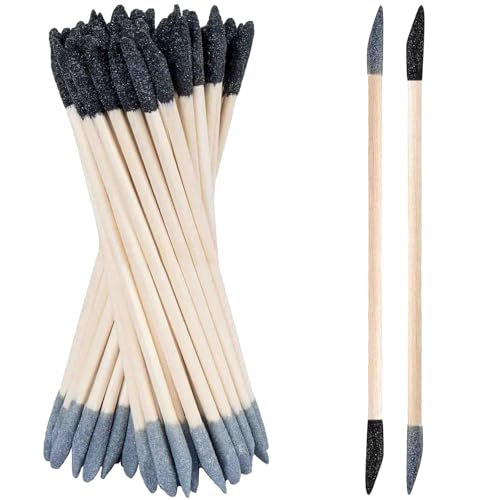
Best for detail work in tight spaces, these 50 sanding sticks combine two grits in a matchstick design. The 120-grit end handles initial material removal, while the 280-grit end smooths for a fine finish. The long, slender form helps reach corners, joints, small crevices, and model details with control. This set is ideal for wood, plastic models, and jewelry detailing where precision matters.
Who it’s for: hobbyists and model makers who need quick grit changes without swapping sandpaper sheets. It’s also suitable for small repairs and finishing tasks that require tight access. Caution: the slender sticks may require a light touch to avoid gouging delicate edges.
RUITOOL Bowl Sander Kit
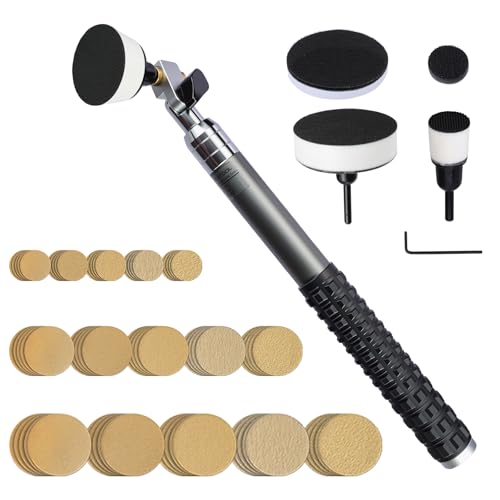
Best for interior bowls and curved surfaces, this kit features a dual-bearing bowl sander with a flexible head and foam backing. The dual bearings reduce friction for smoother sanding and less heat buildup, while the adjustable head ensures consistent contact across bowls, shallow arcs, and tight contours. The metal handle is durable and ergonomically designed for extended sessions.
Who it’s for: woodturners, bowl makers, and curved-surface finish work where stability and control are crucial. Limitation: may be heavier than handheld sticks for some users, and best used with care on very delicate materials.
Milescraft 1622 Sand-It Multi-Surface Block

Best for versatility across flat, concave, convex, and tight spaces, this 4-in-1 sanding block handles multiple profiles and accepts any 1/4 sheet of sandpaper. The quick-snap lock speeds grit changes, enabling fast transitions from rough material removal to fine smoothing. This unit is particularly effective for finishing flat stock, curved edges, and contoured surfaces.
Who it’s for: DIYers who want one tool to cover several profiles without buying multiple blocks. Caution: ensure the sandpaper fits securely to avoid slips during aggressive sanding.
SKIL Corded Multi-Function Detail Sander
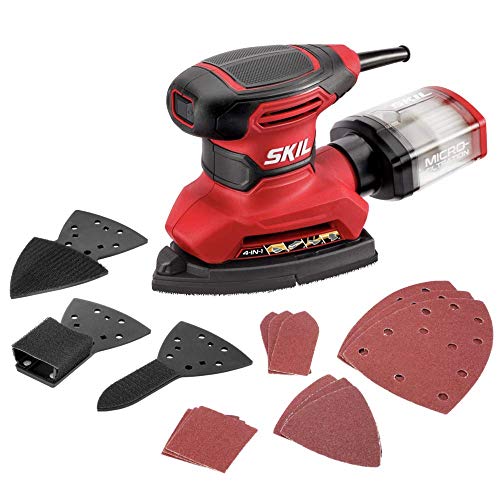
Best for fine finishing and edge work, this detail sander offers 13,500 orbits per minute and a micro-filtration dust system. It comes with three additional detail attachments for precise finishing on large surfaces, corners, and contours. The tool-less attachment system makes it quick to switch heads, improving workflow on complex projects.
Who it’s for: professionals and serious hobbyists needing clean edges and minimal dust spread. Caution: the corded design requires access to outlets and can limit mobility in tight spaces.
NEIXIILY Dual-Grit Sticks

Best for tight spaces and detailed work, these 20-pack dual-grit sticks provide both 150-grit and 280-grit ends. They come with a storage case to keep the workspace organized. The tapered ends enhance access to narrow corners and intricate carvings, enabling both material removal and smoothing in a single tool.
Who it’s for: model makers and woodworkers who need a compact, organized solution for frequent grit changes. Caution: the included case is for storage and transport; using the sticks in a high-temperature environment may affect longevity of the backing material.
Buying Guide: Key Considerations For Choosing Sanding Tools
- Project type and finish goal: For inside bowls or curved edges, prioritise bowl sanders or contour grips. For flat stock, a multi-surface block can replace several dedicated tools.
- Grit range and switching: Dual-grit tools save time by providing both coarse removal and fine polishing in one piece. Consider how often you’ll need to swap grits during a project.
- Access to space: Narrow corners, tight joints, and model detailing benefit from tapered, matchstick, or pointed ends. Wider surfaces benefit from larger blocks or oscillating devices.
- Dust control: Micro-filter dust boxes and vacuum attachments reduce airborne dust and improve visibility. This is especially important in indoor or dust-sensitive environments.
- Durability and handling: Metal handles, dual bearings, and ergonomic grips reduce fatigue during long sessions and improve control in tough materials.
- Storage and organization: Case storage or included racks help prevent loss of small sticks and keep your workspace tidy.
Frequently Asked Questions
- What grit should I start with for rough material removal?
Start with a coarse grit (around 120) to remove material efficiently, then move to finer grits (220–320) for smoothing.
- Are dual-grit sticks better than separate grit blocks?
Yes, dual-grit sticks save time by providing two grits in one tool, reducing tool changes and keeping the work flowing.
- Which tool is best for tight corners?
Tools with tapered ends, matchstick designs, or flexible heads are best for reaching narrow spaces and fine detailing.
- Is dust control important for indoor working?
Yes. A dust-collection system helps maintain air quality and improves visibility while sanding.
- Can I use these sanding tools on metal as well as wood?
Many are suitable for light metal polishing or finishing, but always check the grit range and backing material to avoid gouging or wear.