The best round band saw blades deliver clean, consistent cuts across metals and ferrous materials while resisting breakage and wear. This guide highlights five top options, each suited to different users—from professionals needing high durability to hobbyists seeking affordable, reliable performance. Read on to find which blade matches your material, saw size, and cutting style. A quick buyer’s table is provided below to compare key traits at a glance.
| Product | Best For | Length |
|---|---|---|
| LENOX Tools 8010738PW145 | Heavy-duty metal cutting and long blade life | 44-7/8″ x 1/2″ x .020″ |
| Imachinist S6412121418SS | Stainless steel and ferrous metals | 64-1/2″ x 1/2″ x 0.025″ |
| DEWALT DW3983C | General purpose metal cutting with heat resistance | 32-7/8″ x .020″ x 18 TPI |
| Milwaukee 48-39-0631 | Extreme metals and stainless steel | 30-9/16″ x 1/2″ x 0.052″ |
| YullSorom 44-7/8″ 24 TPI | Versatile, compatible with multiple brands | 44-7/8″ x 1/2″ x .020″ |
LENOX Tools Portable Band Saw Blades
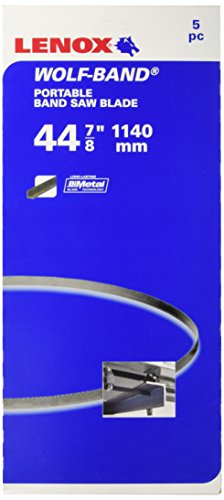
Product: LENOX Tools Portable Band Saw Blades, 44-7/8″ x 1/2″ x .020″, 14 TPI, 5-Pack (8010738PW145)
Brand: Lenox
Key features: High speed steel teeth provide a strong, long lasting cutting edge; Shatter Resistant; Bi-metal blades bend and resist breaking and extend blade life.
Who this is best for: Busy shops that require reliable, long-lasting blades for regular metal cutting. Best for metal fabrication and maintenance tasks where blade durability matters most.
Why selected: A balance of durability and compatibility with common portable band saws. The bi-metal construction supports longer life in demanding cuts.
Caution: Ideal for ferrous metals; non-ferrous applications may require different tooth geometry.
Imachinist Stainless Band Saw Blade S6412121418SS

Product: Imachinist S6412121418SS 64-1/2″ x 1/2″ x 14/18TPI Bandsaw Blades Stainless
Brand: Imachinist
Key features: Bi-metal M42 type; suitable for stainless steel and ferrous metals; 14/18TPI variable teeth profile for mixed metals
Who this is best for: Shops that regularly cut stainless steel or hard ferrous parts and need a blade designed for tough steel. Good for framing and metal fabrication tasks.
Why selected: High tooth count and M42 bi-metal construction aimed at maintaining edge life under stainless steel cutting, with a note on its suitability for ferrous metals.
Caution: Not recommended for non-ferrous metals; performance can vary with very hard alloys.
DEWALT Portable Band Saw Blade DW3983C

Product: DEWALT Portable Band Saw Blade, 32-7/8-Inch, .020-Inch, 18 TPI, 3-Pack (DW3983C)
Brand: DEWALT
Key features: Matrix II high speed steel edge for heat and wear resistance; 8% cobalt content for durability; Rc 65-67 tooth hardness enhances wear resistance
Who this is best for: Professionals needing a versatile blade for general metal cutting with strong wear resistance in portable saws.
Why selected: Balanced performance for everyday metal cutting; the cobalt-infused alloy supports longer edge life in typical workshop tasks.
Caution: 18 TPI is optimized for mid-thickness materials; very thin sections may chatter or wear faster.
Milwaukee 48-39-0631 Compact Thick Metal Blade Pack

Product: Milwaukee 48-39-0631 30-9/16″ 12/14 TPI Compact Extreme Thick Metal Band Saw Blade 3 Pack
Brand: Milwaukee
Key features: More cuts per blade; 3X life in stainless steel and extreme metals; 2X faster in thin metals
Who this is best for: Professionals cutting thick metals and high-strength alloys who want fewer blade changes and longer blade life.
Why selected: High performance in demanding metals with extended blade life claims; suited for frequent, heavy-duty use.
Caution: 30-9/16″ length may not fit all compact band saw configurations; verify saw compatibility before purchase.
YullSorom 44-7/8-Inch 24 TPI Blades

Product: YullSorom 44-7/8-Inch Portable Bandsaw Blades 24 TPI, 3-Pack
Brand: YullSorom
Key features: Size: 44-7/8″ x 1/2″ x .020″; 24 TPI hook teeth profile; M42 bi-metal construction for wear resistance
Who this is best for: Users needing broad compatibility with major brands (Milwaukee, DeWalt, etc.) and reliable 24 TPI performance for mid-thickness cuts.
Why selected: Good balance of tooth geometry and blade life; 24 TPI suits typical metalwork tasks with consistent results.
Caution: Check compatibility with your specific saw model; some brand-specific fittings may require adapters.
Buying Guide: How To Choose The Right Round Band Saw Blade
What blade material should you choose? Consider bi-metal blades (combining a flexible steel body with a harder tooth material) for better wear resistance and longer life in ferrous metals. For stainless steel and tough alloys, look for blades with higher tooth hardness and appropriate tooth geometry.
What tooth count fits your material?
Larger teeth (lower TPI) cut faster but rougher, better for thick or soft metals. Higher TPI yields smoother cuts and is better for thin or hard materials. Match TPI to the metal and cut quality you need.
Is blade length critical?
Blade length must match your saw’s wheel span. Using the wrong length can cause tracking issues or binding. Always measure your machine’s minimum and maximum blade length range before buying.
What about durability features?
Coatings, cobalt content, and advanced steel alloys improve heat resistance and wear life. In portable sabers, heat buildup is common; a blade with enhanced heat resistance will perform longer between changes.
Compatibility considerations
Ensure the blade fits your saw brand and model. Some blades specify universal fit, while others are brand-specific. When in doubt, confirm with the saw manufacturer’s blade compatibility list.
Maintenance and safety tips
- Keep blades dry and clean to prevent corrosion.
- Inspect for cracks or missing teeth before use.
- Use proper tension and guard settings to avoid blade breaks.
FAQ
- What is the difference between 14/18TPI and 24TPI blades?
– 14/18TPI blades are better for thicker ferrous metals and have a robust cutting action, while 24TPI blades provide smoother cuts on thinner material. - Can I use a portable blade on a stationary bandsaw?
– Blade compatibility depends on blade width, thickness, and saw throat. Check your saw’s manual for maximum blade width and thickness. - Are bi-metal blades worth the extra cost?
– For frequent cutting of ferrous metals or stainless steel, bi-metal blades can extend life and reduce replacement frequency. - What safety steps should I follow when changing blades?
– Disconnect power, release blade tension, and wear cut-resistant gloves. Follow your saw’s specific blade-change procedure. - How do I know if a blade is compatible with my saw brand?
– Look for universal fit indicators or verify compatibility with your saw’s model number in the blade description or manufacturer site. - What blade length should I buy for a portable bandsaw?
– Choose a blade that matches your saw’s wheel span. Using the wrong length can cause improper tracking or binding.