The best ripping chainsaw chain for a chainsaw mill is the one designed to maximize straightness and reduce binding while tearing through reclaimed lumber or fresh logs. This guide highlights five top options, explaining who each is best for and why, so you can choose a chain that matches your bar length and milling needs. Ideal buyers include weekend woodworkers, small-shop sawyers, and professionals who require cleaner, faster slab cuts with less kickback risk.
| Product | Bar Size | Drive Links | Pitch | Gauge |
|---|---|---|---|---|
| 8TEN Ripping Chainsaw Chain 24″ | 24″ | 84 | 3/8″ | .050″ |
| 8TEN Ripping Chainsaw Chain 20″ | 20″ | 72 | 3/8″ | .050″ |
| KAKEI 36 Inch Ripping Chain | 36″ | 114 | 3/8″ | .063″ |
| 8TEN Ripping Chainsaw Chain 24″ (84 DL) | 24″ | 84 | 3/8″ | .050″ |
| 8TEN Ripping Chainsaw Chain 36″ Bar (115DL) | 36″ | 115 | 3/8″ | .063″ |
8TEN Ripping Chainsaw Chain 24″ Bar — 84 Drive Links
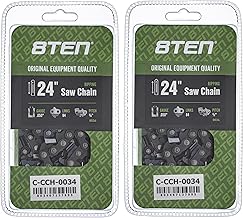
Best for larger bar setups that require consistent rip cuts across long slabs. The 24-inch chain features a .050 gauge and 3/8 pitch, with 84 drive links, designed for ripping rather than standard cross-cutting. It uses 68CrNiMo33 steel with GCr15 rivets for durability and is compatible with a wide range of Husqvarna and Stihl models. This makes it a versatile pick for users upgrading to a dedicated ripping chain for milling applications.
Who it’s best for: woodworkers milling 24-inch bars who want a reliable, heavy-duty ripping chain that maintains straight cuts over long slabs. Why selected: the long 24″ length and 84 drive links provide strong support and tension stability for milling sessions.
Caution: verify fitment with your exact bar and chain compatibility list. Some models may require minor adjustments or specific rivet configurations.
8TEN Ripping Chainsaw Chain 20″ Bar — 72 DL
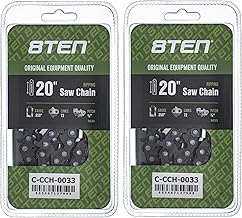
Better for mid-size milling setups where control and reduced kerf drift are critical. The 20-inch chain uses 72 drive links with a .050 gauge and 3/8 pitch, compatible with several Husqvarna and Stihl bar configurations. It’s a practical option for hobbyists who work with medium-length bars and still want efficient ripping performance.
Who it’s best for: DIY millers and hobbyists with 20″ bars seeking a balance of durability and ease of use. Why selected: the 72 drive links provide sturdy chain engagement without excessive weight for lighter milling sessions.
Caution: ensure your bar support and drive sprocket match the 72-link specification to avoid tension issues during milling.
KAKEI 36 Inch Ripping Chain — 114 DL, Semi-Chisel
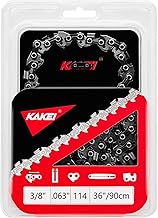
Best for dedicated long-bar milling where maximum board production matters. This KAKEI chain is a 36-inch ripping chain with 114 drive links, 3/8″ pitch, and .063″ gauge. It is described as semi-chisel, designed to handle tough milling tasks, though it should not be used for cross-cutting firewood. The chain requires careful sizing to the bar and may not meet low kickback requirements.
Who it’s best for: professional mills or serious hobbyists using long bars for slab production. Why selected: the long chain length and 114 drive links provide robust support for straight, flattening cuts in large boards.
Caution: not intended for cross-cutting; always confirm bar-stamp compatibility before purchasing.
8TEN Ripping Chainsaw Chain 36″ Bar — 115 DL

Best for heavy milling workloads on very long bars. This 36-inch ripping chain uses a .063″ gauge and 3/8″ pitch, with 115 drive links. It claims compatibility with a broad range of OEM parts and brands, including Oregon and various Husqvarna, Stihl, and Poulan models. It’s a strong choice when milling multiple boards or slabs from large logs where bar length is a primary factor.
Who it’s best for: pro-level milling with 36″ bars needing maximum chain support and durability. Why selected: the longest drive-link count among the featured options translates to steadier tracking and fewer adjustments during milling. Caution: ensure your mill setup can accommodate a 36″ bar to avoid clearance issues with guides and clamps.
Buying Guide: How To Choose The Right Ripping Chain For A Chainsaw Mill
- Bar length compatibility: Match the chain length (drive links) to your bar length. Rip chains are often longer than standard cross-cut chains, and mismatch can cause tension problems or binding.
- Pace and board quality: Longer, higher-drive-link chains (like 114 or 115 DL) are better for long slabs, while shorter chains work well for mid-size milling tasks.
- Gauge and pitch: Common milling setups use .050 gauge and 3/8 pitch for durability and stable cutting; .063 gauge provides extra rigidity for hard woods or tough milling tasks.
- Ripping vs cross-cut: Ripping chains are designed to remove wood fibers with minimal tearing, producing flatter slabs. Cross-cut chains cut across grain and are less ideal for milling boards from logs.
- Material and build: Look for chains with hardened rivets and durable steel (e.g., 68CrNiMo33 with GCr15 rivets) to resist wear during milling.
- Fitment verification: Always verify fitment against your bar and OEM guides listed in the product details to avoid equipment incompatibility.
Frequently Asked Questions
- What is a ripping chainsaw chain designed for milling? It is a chain optimized for long, straight cuts to produce slabs or boards, rather than rapid cross-cutting through logs.
- Can I use a ripping chain on any chainsaw mill bar length? Not every chain length matches every bar. Check drive links, pitch, and gauge to ensure proper tension and tracking.
- Is a .063″ gauge better for hardwood milling? Generally yes, as it provides greater rigidity and wear resistance for tough milling tasks, though it can require more power and sharper tensioning.
- Are longer drive-link counts always better for milling? Longer drive links can improve stability on longer bars, but require compatible bars and guides to avoid binding and excess chain tension.
- Do ripping chains require special maintenance? Regular sharpening, proper lubrication, and correct tensioning are essential for milling performance and chain life.
- Should I avoid low-kickback chains for milling? Many ripping chains do not meet low kickback requirements; follow bar and mill manufacturer guidelines and wear safety gear accordingly.