Need reliable rigid 3/4 inch conduit for electrical wiring projects? This guide highlights five top options, explaining who each is best for and why. It targets homeowners, hobbyists, and professionals seeking weather-resistant, code-compliant conduits for indoor, outdoor, and direct-burial installations. The included table compares size, material, and key strengths to help buyers choose quickly.
| Product | Conduit Type | Best For |
|---|---|---|
| CKVIHAV 6Pcs 3/4 Inch Grey Electrical Conduit PVC Pipe | Sch40 PVC Rigid | DIY home wiring, garden, or workshop projects |
| 3/4 Inch Schedule 40 PVC Electrical Conduit Pipe — Rigid Non-Metallic | Rigid Non-Metallic PVC | Outdoor and direct burial with UV resistance |
| Neorexon 3/4 inch Flexible Liquid-Tight Conduit Kit 25ft | Flexible Liquid-Tight PVC | HVAC, pumps, outdoor wiring with easy one-person install |
| Sigma Engineered Solutions ProConnex 02-55642T Rigid Conduit Body | Rigid Conduit Body, Type T | Conduit routing and connection for boxed layouts |
| RACO 1333 Strap Rigid/IMC Conduit, 3/4″ Trade Size | Rigid conduit strap, steel | Conduit mounting and protection in finished installations |
CKVIHAV 6Pcs 3/4 Inch Grey PVC Conduit
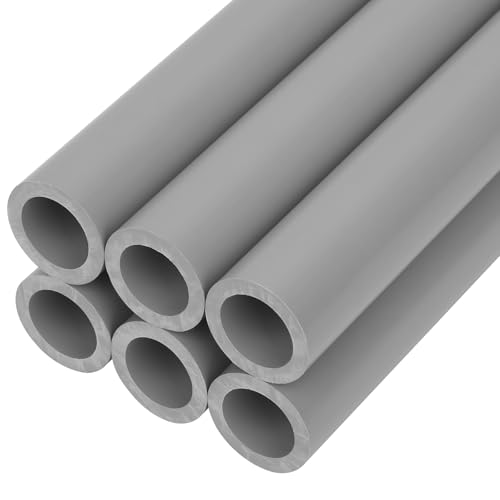
Product overview: 3/4 inch Schedule 40 PVC conduit pipe with an outer diameter of 1.05 inches and inner diameter about 0.8 inches. Suitable for DIY wiring, cable sleeves, and general conduit use. This SKU emphasizes indoor and outdoor suitability, with high insulation and corrosion resistance. Best for: homeowners and hobbyists completing residential wiring or garden projects. Limitation: confirm exact length and fit before purchase, as some listings note variations by batch.
3/4 Inch Schedule 40 PVC Rigid Non-Metallic Conduit

Product overview: Rigid non-metallic conduit (RNC) engineered to meet UL 651 and NEMA TC-2 standards; ETL listed and rated for 90°C conductors. Best for: installations requiring code-compliant, corrosion-resistant conduit in outdoor or damp environments. Caution: verify burial or encasement requirements for your project, as some uses require specific installation methods.
Neorexon 3/4 Inch Flexible Liquid-Tight Conduit Kit

Product overview: 3/4″ flexible liquid-tight conduit kit includes 25 ft of conduit and fittings. UL listed non-metallic with strong abrasion resistance and direct burial compatibility. Best for: outdoor wiring and HVAC applications where flexibility and ease of handling matter. Caution: flexible conduits can be more prone to kinking if not routed properly, so plan bends and supports carefully.
Sigma ProConnex 02-55642T Rigid Conduit Body

Product overview: Aluminum die-cast construction with pre-assembled stamped cover and rubber gasket. Best for: installations needing reliable conduit body components with ready-to-assemble features. Caution: check compatibility with your existing conduit system and routing plans to ensure proper fit.
RACO 1333 Strap Rigid/IMC Conduit

Product overview: All stamped steel construction with zinc electro-plated corrosion protection; 3/4 in. Rigid/IMC 1-Hole Push-On Strap. Best for: securing rigid or IMC conduits in installations that require strong mechanical protection. Limitation: metal straps may require corrosion considerations in highly humid environments; pairing with compatible fasteners is essential.
Buying Guide
What matters most for rigid 3/4 conduit?
Material, code compliance, and environment drive your choice. PVC conduits offer excellent corrosion resistance and easier cutting for DIY tasks. Rigid non-metallic options are often lighter and cheaper, with good UV resistance for outdoor use. Metal straps and bodies deliver stronger physical protection for industrial settings.
Which conduit type fits outdoor or direct burial needs?
Choose UV-stabilized PVC RNC or liquid-tight conduits designed for direct burial. Look for ETL or UL listings and compatibility with burial conditions. For direct outdoor exposure, UV inhibitors and weather resistance are key.
How important are fittings and accessories?
Conduit kits with straight and 90-degree fittings save time and reduce leaks. Flexible conduits simplify routing in tight spaces but may require careful handling to avoid kinks. Rigid conduit bodies help with junctions and access points in complex layouts.
What installation considerations help avoid issues?
Plan bend radii, store lengths to minimize waste, and ensure solvent cement or fittings match the conduit material. For metal conduits, check corrosion protection, while for PVC, confirm solvent compatibility with seals and gaskets.
What is a practical decision framework?
- Indoor DIY projects: choose PVC rigid conduit for ease and insulation.
- Outdoor or coastal areas: UV-stable PVC or liquid-tight conduits.
- Complex routing: rigid conduit bodies and straps for robust installation.
Frequently Asked Questions
- What is the standard size for rigid 3/4 conduit? Answer: 3/4 inch conduit typically has an outer diameter around 1.05 inches for Schedule 40 PVC and about 0.78–0.80 inches ID.
- Is PVC conduit suitable for outdoor use? Answer: Yes, especially UV-stable Schedule 40 PVC designed for outdoor exposure.
- Can I bury conduit directly underground? Answer: Some PVC conduits are rated for direct burial; verify with product listings and local code requirements.
- Do I need fittings with flexible conduits? Answer: Yes, fittings are essential to create waterproof joints and maintain circuit integrity.
- What about metal versus non-metallic options? Answer: Metal offers higher physical protection, while PVC is corrosion-resistant and lighter for DIY work.
- Which product is best for beginners? Answer: A basic 3/4 inch PVC conduit kit for simple wiring tasks provides straightforward installation and predictable results.