Finding the right angle power drill depends on space, power, and compatibility with what you already own. This guide highlights five dependable options designed for tight spots, cabinetry, plumbing, and electrical work. The choices range from compact cordless models to brushless options and a versatile drill attachment. Each pick is explained with who it’s best for, why it was selected, and a practical limitation to consider. Whether you’re a DIYer, a professional, or a tradesperson updating a tool kit, these right angle drills help reach confined areas without sacrificing performance.
Summary table of selected products
| Product | Key Benefit | Best For | Notes |
|---|---|---|---|
| DEWALT DCD740B | Dual speed ranges, 4.0″ length | General purpose tight spaces | Tool only |
| Milwaukee 2415-20 | Compact 12V, lightweight | Light tasks in narrow areas | Bare tool |
| Brushless DeWalt 20V (Compatible) | Brushless, compact, LED | Pro users with DeWalt 20V batteries | No battery |
| DIYtoolifz 90° Drill | Budget-friendly, compact | Budget projects, existing 20V system | Bare tool only |
| DEWALT Right Angle Drill Attachment | Extended reach, durable | Augment existing drills | Attachment, not a drill by itself |
DEWALT DCD740B 20-Volt Right Angle Drill (Tool Only)

The DEWALT DCD740B is a compact 20-volt right-angle drill with dual speed ranges (0-650 and 0-2000 rpm), designed for increased versatility in tight spaces. The 4.0-inch front-to-back length helps reach recessed areas, while the multi-grip trigger provides comfort and access in cramped work zones. Best for professionals and serious DIYers who need a reliable tool for cabinetry, plumbing, and electrical installations where a standard drill won’t fit.
Who it’s best for: Carpenters, electricians, and homeowners who regularly work in tight cavities and want a compact tool without sacrificing speed options. Why selected: Combines compact design with flexible speed control for varied materials and fasteners. Limitation: Tool-only design requires a separate battery and charger.
Milwaukee 2415-20 M12 Right Angle Drill
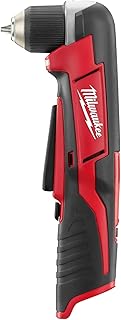
The Milwaukee 2415-20 M12 right-angle drill is a compact 12-volt cordless option focused on lightweight tasks in tight spaces. This bare-tool model is ideal for users who already own Milwaukee M12 batteries and seek a nimble drill for overhead or cabinet work. Best for: A maintenance tech or hobbyist performing quick, low-torque tasks in confined areas. Limitation: Lower torque compared to larger 18V/20V options, which may limit demanding drilling or fastening tasks.
Brushless Right Angle Drill Compatible with DeWalt 20V Battery

This brushless right-angle drill is designed to pair with DeWalt 20V MAX batteries (tool only). It delivers up to 400 in-lb (45 Nm) of torque, balancing power with compact design. Front-to-back length is about 3.8 inches, and it includes a 3/8-inch ratchet chuck for tight, accessible spots. Best for: Professionals already in the DeWalt ecosystem who want more compact reach without adding a larger tool. Limitation: Data emphasizes torque and compactness; actual runtime depends on battery and task load.
DEWALT Right Angle Drill Attachment
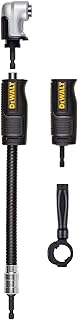
The DEWALT 12-inch Right Angle Drill Attachment extends reach and provides a compact 4-in-1 modular option for drill set-ups, allowing users to access 90-degree corners with greater ease. Best for: Users who want to convert an existing drill into a right-angle tool for overhead or confined-space work. Limitation: Attachment quality and performance depend on compatibility with your drill and the overall power output of your toolset.
Buying Guide
What should you consider when choosing a right angle drill?
- Space and reach: If your workspace includes tight corners, measure the head length and overall depth to ensure it fits the space you’re drilling or fastening in.
- Torque vs. speed: For wood and light metal work, a low-to-mid torque with adjustable speeds helps prevent over-driving screws. For heavy tasks, a brushless motor with higher torque offers better performance.
- Battery ecosystem: If you already own batteries (e.g., DeWalt or Milwaukee), choosing a tool within the same system saves money and improves compatibility.
- Size and weight: A lighter, compact model reduces fatigue during overhead or overhead-leaning tasks.
- Chuck type and size: A 3/8-inch chuck is common and can fit many bits; consider a quick-change chuck if you frequently switch bits.
- Attachment versatility: For broader use, an attachment can extend reach of an existing drill, but consider potential loss of balance or added length.
Frequently Asked Questions
- What is a right angle drill best used for?
It excels at drilling or driving fasteners in tight spaces such as cabinet frames, plumbing behind walls, and electrical boxes where a standard drill cannot reach.
- Should I buy a cordless or corded right angle drill?
Cordless models offer portability and are ideal for overhead work, while corded variants provide steady power for extended tasks.
- Is torque more important than speed for right angle drills?
Typically, yes. Higher torque helps with driving screws and drilling into tough materials, especially in confined spaces where tool leverage is limited.
- Can I use a right angle drill with any battery?
Only use batteries that are compatible with the tool’s brand and model line to avoid damage and ensure safety.
- Do attachments replace the need for a dedicated right angle drill?
Attachments can extend reach, but dedicated right angle drills usually offer better balance and integrated controls in tight spots.