When choosing a powder actuated fastening tool, the goal is to pair the right tool with your project needs—precision for small rooms or remodels, reliability for general concrete fastening, and quiet operation where noise matters. This guide highlights five practical options suited for different buyers, from light-duty home remodelers to pros handling continuous fastening tasks. Each product is described with its best use case, what it does well, and a potential limitation to consider before you buy.
| Product | Best For |
|---|---|
| ITW Ramset 00022 HammerShot | Lightweight, small-room or basement remodeling |
| FVSCM FV308 | 2×4 attachments, furring strips, electrical boxes |
| ITW BRANDS 40088 | Lower-noise, single-shot fastening to concrete or steel |
| Generic Hilti-style DX-2 clone | Narrow spaces, versatile direct fastening |
| FVSCM FV-396 | Low-noise, versatile for wood/steel to concrete/masonry |
ITW Ramset HammerShot Low Velocity Tool

The ITW Ramset 00022 HammerShot is a lightweight, low-velocity tool designed for small expansions like room additions or basement remodels. It uses 0.22 caliber CW powder loads and Ramset fasteners, delivering controlled penetration in confined spaces. Best for interior contractors who need compact, precise fastening without heavy equipment.
Why choose this: Its compact design reduces fatigue on repetitive tasks and is well-suited for finishes and framing work in tight interiors. Caution: It is a low-velocity model, so penetration is best for lighter applications and may require appropriate fasteners for heavier duty tasks.
FVSCM FV308 Low Velocity Tool

The FVSCM FV308 is a semi-automatic, low-velocity .27 cal powder-actuated tool with a built-in power indicator. It is designed for attaching 2x4s, furring strips, and electrical boxes to concrete and steel. It offers adjustable load strength for penetration between 3/4″ and 3″, providing reliable performance across a range of projects.
Best for: tradespeople who need a versatile, adjustable tool that can adapt to varying substrate hardness. Limitation: As with most low-velocity units, extensive heavy-duty fastening may reduce efficiency compared with higher-velocity options.
ITW BRANDS 40088 .22 Caliber Fastener Tool
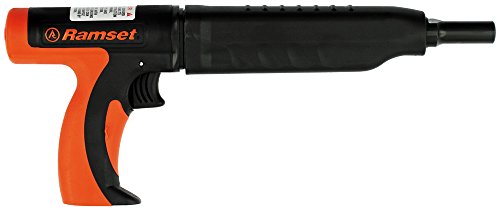
This compact, low-velocity tool is designed for fastening to concrete, masonry, or steel, with a silencing handle to reduce job-site noise and an ergonomic ejection slide for smoother operation. It suits interior installers and remodelers who require dependable performance with less audible disruption.
Best for: projects where sound control matters or where a single-shot workflow helps with primer-tight or time-sensitive installations. Caution: Being a low-velocity tool, it may not be ideal for the heaviest-duty fasteners or the thickest concrete without the right loads.
Generic Hilti-style DX-2 Clone

This semi-automatic tool targets a broad range of applications, including fastening wire mesh (chicken mesh) to concrete. It is compact and designed for access to narrow spaces, making it a flexible choice for general construction work where space is a premium.
Best for: users who need a versatile, space-efficient tool with broad compatibility. Limitation: As a clone, it may vary from original Hilti performance in long-term durability or consistent availability of replacement parts.
FVSCM FV-396 Low Velocity Tool

The FV-396 is a single-shot, low-velocity powder-actuated tool with a built-in silencer, designed for attaching 2x4s, furring strips, and electrical boxes to concrete or steel. It offers adjustable load strength for penetrations from 3/4″ to 3″ and is compatible with RAMSET, HILTI, and SIMPSON driver pins.
Best for: projects where noise reduction is important and precise control is needed across different substrate conditions. Caution: As a single-shot tool, it may require frequent reloading on larger tasks, which can affect workflow pace.
FVSCM FV-701 Semi-Automatic Tool
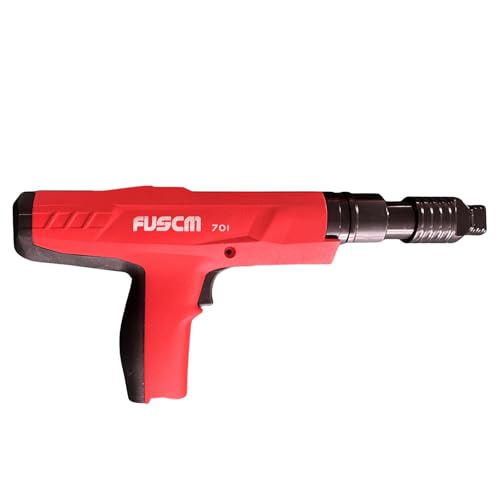
The FV-701 is a semi-automatic, low-velocity powder-actuated tool with a built-in power indicator and silencer. It is designed for attaching 2x4s, furring strips, and electrical boxes to concrete and steel. It provides adjustable load strength to achieve penetrations between 3/4″ and 3″ and aims for a balance of speed and control on common construction tasks.
Best for: contractors needing a quiet, adjustable option for routine fastenings in mixed-material projects. Limitation: As with many semi-automatic units, operation depends on dependable trigger mechanics and load management for consistent results.
Buying Guide: Key Purchase Considerations
- Project scope: For light interior work and tight spaces, prefer compact, low-velocity tools that minimize noise and recoil.
- Substrate and penetration: Choose a tool with adjustable load strength if you work with concrete, steel, and masonry at varying depths.
- Speed vs. control: Single-shot tools are simple and reliable for limited applications; semi-automatic models improve workflow for larger tasks.
- Noise and safety: Tools with silencers and ergonomic handles reduce operator fatigue and job-site disturbance.
- Compatibility: Verify driver pins and fasteners compatibility (RAMSET, HILTI, SIMPSON) to ensure you can source supplies easily.
- Maintenance and parts: Consider the availability of replacement parts and service, especially for clone brands.
- Usage environment: Indoor work benefits from quieter models; exterior or high-volume projects may justify more robust solutions.
Practical Buying Tips
- Test access: If your project includes narrow spaces, prioritize compact designs with good reach.
- Load management: Ensure you understand load strength ranges and how to adjust them for your task.
- Safety first: Always follow manufacturer safety guidelines and wear eye protection and hearing protection on site.
Frequently Asked Questions
- What is a powder actuated fastening tool used for?
It drives fasteners into concrete, masonry, or steel using explosive loads to secure materials like wood studs, boxes, or mesh.
- What makes a low-velocity model different?
Low-velocity tools deliver controlled penetration with less recoil, suited for interior work and light-to-moderate substrates.
- Are there noise considerations with these tools?
Yes. Some tools include silencers or noise-reduction features, which are beneficial for indoor projects.
- Can I use the same fasteners across different brands?
Many tools are designed to accept various driver pins (RAMSET, HILTI, SIMPSON), but always check compatibility before purchasing fasteners.
- What should I avoid when choosing a powder-actuated tool?
Avoid models without adjustable load strength if you work on diverse substrates, and avoid tools with limited availability of replacement parts.
- Is a semi-automatic tool better than a single-shot tool?
Semi-automatic tools can improve workflow for repetitive fastening tasks, while single-shot units are simpler and reliable for smaller projects.