Find the right ladder levelers to keep your ladder steady on stairs, slopes, or rough ground. This guide highlights five top options and who they’re best for, with practical reasons to choose each one. Ideal buyers include DIY homeowners, contractors, and maintenance crews who need quick, reliable stability without sacrificing ladder reach or setup speed.
| Product | ||
|---|---|---|
Xtenda-Leg Ladder Leveler

Best for: Small to mid-size outdoor projects where OSHA safety compliance matters. This leveler includes Kraton rubber feet for superior grip and adjusts for different heights, making it suitable on stairs and uneven ground. It’s ideal when you need a stable base quickly without modifying the ladder’s structure.
Why chosen: The combination of adjustable height, stable rubber feet, and OSHA alignment offers reliable performance for a broad range of ladder setups. The rubber feet help prevent slipping on slick or uneven surfaces, which is crucial for elevated tasks.
Caution: Not all ladders may support the exact height range; verify compatibility with your model before use. Ensure you install on a firm, level spot to maximize stability.
Levelok Ladder Leveler Kit (KeyLok Quick Connect)
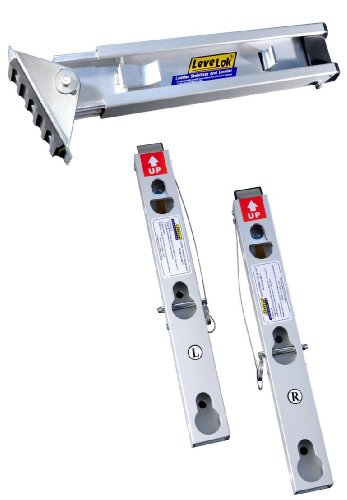
Best for: Quick, tool-free setup when working on uneven ground or stair sections. This complete kit includes one leveler and two bases, extends up to 10 inches, and fits aluminum, fiberglass, and wood ladders.
Why chosen: The kit’s fast connect design minimizes downtime between moves and preferred for crew-style applications where speed matters. It’s versatile across ladder materials, which broadens its usefulness on varied job sites.
Caution: Some users may prefer a more permanent mounting option for frequent use; this kit is designed for removable, temporary leveling needs.
Levelok Permanent Mount Ladder Levelers (2 Legs)
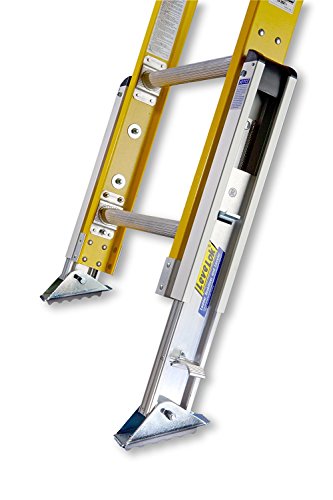
Best for: Long-term ladder setups on aluminum or fiberglass ladders; ideal where consistency and a fixed leveling solution are required. The kit includes a locking system and a back-up safety lock for added stability.
Why chosen: Automatic locking features and a robust stainless steel back-up lock enhance security when weight is on the ladder. It’s well-suited for work-at-height tasks that demand steady footing across multiple uses.
Caution: Installation takes more time and requires some care during mounting; not as flexible for temporary setups as quick-connect options.
Adamoss Ladder Leveler Pair with Rubber Feet (20″)

Best for: Ladders on irregular ground or steps where a compact, lighter-leveler pair is beneficial. The 4-inch rubber feet provide anti-skid performance, and the device pivots for better ground contact.
Why chosen: The threaded extension and trapezoidal level design offer secure grip and stability on uneven surfaces. With a maximum extension and solid load handling, this option suits residential and light commercial tasks.
Caution: Dimensions and extension limits vary by model; ensure your ladder type and load expectations align with the product’s specifications.
KARRYTON Ladder Levelers For Type II, I And IA Ladders

Best for: Type II, I, and IA extension ladders up to 32 feet. It uses a high-quality alloy steel rod and rubber feet to prevent slipping on varied surfaces.
Why chosen: Compatibility with multiple ladder types and a sturdy locking mechanism make this a versatile option for professionals who switch ladders often. The design emphasizes friction and stability for all-around use.
Caution: Heavier ladders or longer extensions may require additional or different size levelers; verify extension and load capabilities before purchase.
Dynamite Ladder Pro Levelers

Best for: Ladders that must exceed standard safety norms and support higher load capacities in professional settings. This option emphasizes American engineering and ANSI/OSHA alignment in its design approach.
Why chosen: With a high load rating and a focus on safety standards, this product is suitable for demanding commercial applications where reliability is essential.
Caution: For some users, the emphasis on higher safety standards may coincide with a larger footprint or heavier unit. Check compatibility with your ladder’s base width and leg design.
Buying Guide: Key Considerations For Ladder Levelers
What diameter and type of ladder do you own? Confirm compatibility with the leveler’s mounting method and leg design (aluminum, fiberglass, or wood ladders).
What is your typical working environment? For outdoor or dusty sites, look for rugged materials and non-slip bases. On stairs, prioritizing adjustable height and secure locking helps prevent misalignment.
Is quick setup important? Quick-connect and removable kits provide speed for occasional use, while permanent mountes offer long-term stability for frequent work.
What load capacity do you need? Match the leveler’s rated weight to the combined weight of you, your tools, and the ladder. Always respect gross load limits.
What safety features matter most? Features like locking mechanisms, back-up safety locks, and high-friction rubber feet improve stability and reduce tipping risk.
FAQ
- What are ladder levelers? They are devices attached to ladder legs that compensate for uneven ground, improving stability and safety when working at height.
- How do I choose the right leveler height? Consider the ground grade and ladder type; choose a model that offers adjustable elevation within your working range.
- Are ladder levelers compatible with all ladders? Most are designed for common extension ladders, but verify compatibility with your ladder’s material and leg design.
- Do levelers affect ladder weight? Yes, levelers add weight, so ensure you can safely carry and deploy the setup on-site.
- Can levelers be used on stairs? Yes, many models are designed to stabilize ladders on stairs by adjusting height and base contact.
- What maintenance is required? Inspect locking mechanisms, bases, and feet for wear; replace worn parts to maintain stability.