Direct answer: for precise, clean cuts in fine woodworking or hobby projects, the best Japanese pull saw blades are those made with high-quality Japanese steel, impulse-hardened teeth, and user-friendly blade replacement. This guide highlights five top options suited for different needs—from flush-cutting and fine joinery to versatile cross-cut and rip-cut work. Best for professional joiners, hobbyists, and woodworkers seeking long-lasting edge retention and easy blade change.
The top picks below are chosen for balance between cutting performance, durability, and ease of use. Buyer profiles: seasoned woodworkers who need accuracy; DIYers who want quick blade swaps; and furnituremakers who require reliable, crisp cuts. A short comparison table follows to help you scan features quickly.
| Product | Best For | Notes |
|---|---|---|
| Tajima Replacement Pull Saw Blade | Professional flush cuts | Premium steel, impulse-hardened teeth |
| SUIZAN 9.5″ Ryoba Blade | Cross & Rip cuts | Two-cut blade on one handle |
| SUIZAN 7″ Ryoba Blade | Compact, versatile | Lightweight, dual-cut options |
| KAKURI 9.5″ Blade | Quick blade changes | Tool-free replacement |
| Gyokucho Dozuki Replacement | Mortises and fine joinery | Trusted Dozuki blade line |
Tajima Replacement Pull Saw Blade — 250 mm

The Tajima GNB-250 blade uses premium SK-95 high-carbon steel for strength and edge performance. Its Japanese style tempering hardens the edge further, improving durability under routine cross-cut and flush-cut tasks. Teeth are impulse hardened for fast, efficient cutting while maintaining flexibility. Best for professional flush cuts where a clean, narrow kerf matters, and for users who value long-lasting sharpness between blade changes.
Who it’s best for: experienced woodworkers needing precise flush cuts on hardwoods or softwoods. Why selected: superior edge retention and a refined cut thanks to tempered steel and impulse-hardened teeth. Caution: as with any high-hardness blade, use proper technique to avoid heat buildup that could affect edge life over time.
SUIZAN Replacement Blade for Ryoba 9.5″ — Double Edge

This SUIZAN Ryoba blade presents cross-cut and rip-cut teeth on opposite sides of a single 9.5″ blade, letting you switch tasks without changing tools. The composition supports cutting hard, abrasive woods like maple or oak with controlled, clean results. The dual-cut design reduces the need to stash multiple blades and keeps weight to a minimum.
Best for: woodworkers who mix cross-cut and rip-cut tasks in one session. Why selected: a convenient two-in-one blade that reduces tool clutter. Limitation: slightly thicker kerf may affect ultra-fine joinery work in very tight tolerances.
SUIZAN Replacement Blade for Ryoba 7″ — Do It All

Replacement blade for SUIZAN’s 7″ Ryoba saw. It offers a practical balance between compact size and cutting versatility, with a 0.02″ (0.5 mm) blade thickness and 19 TPI for rip cuts. The blade is suitable for precise dowel work and thinner stock where maneuverability matters.
Best for: smaller projects or portable setups. Why selected: compact size and solid cutting capability in both rip and cross-cut tasks. Caution: thinner stock can bend if excessive pressure is applied in tricky angles.
Vaughan Bear Saw Replacement Blade — 10 Inch
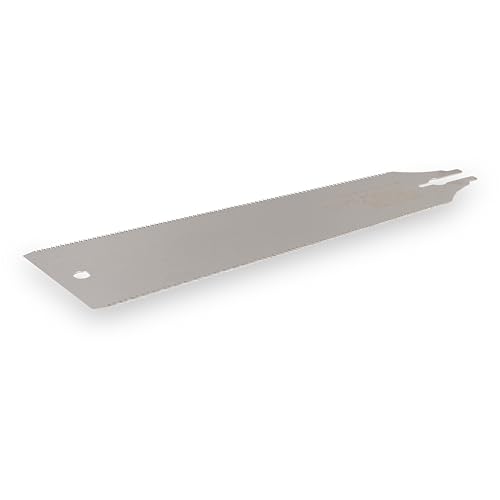
The Vaughan Bear Saw blade is designed for flush cutting and precision trimming of dowels, tenons, and wood plugs. It adopts a Japanese pull saw design with a double-edged blade for efficient, controlled cuts on hardwoods as well as softwoods. Made from durable alloy steel to resist bending during tasks requiring fine control.
Best for: woodworkers focusing on fine joinery details and clean finishing touches. Why selected: a dedicated flush-cutting tool with reliable edge life. Limitation: may be less flexible for heavy stock cutting compared to longer blades.
Dozuki “Z” Saw Replacement Blade

Replacement blade for the Dozuki “Z” Saw, sized at 9-1/2″ x 2-3/8″ with high-carbon steel. Suited for precise joinery and fine cuts in woodworking projects that require a slim blade profile and reliable edge geometry.
Best for: traditional Japanese joinery tasks and light mortise work. Why selected: long-standing Dozuki compatibility ensures predictable performance. Caution: ensure correct alignment for accurate cuts to avoid blade binding.
KAKURI 9.5″ Japanese Pull Saw Blade

KAKURI provides a tool-free blade replacement mechanism, with a 9.5″ blade made from Japanese carbon steel. The edge is impulse-hardened for longevity. TPI ranges between 15 (crosscut) and 7.5-10 (rip), with a kerf around 0.9 mm. A blade case is included for safe storage and transport.
Best for: builders who want quick blade changes and reliable performance on mixed stock. Why selected: user-friendly replacement plus strong edge retention. Limitation: blade thickness and TPI choices require selecting the right variant for your stock type.
Gyokucho Razorsaw Dozuki 240mm — Replacement Blade

Gyokucho Razorsaw Dozuki blade, 240 mm, No. S-306, designed as an extra blade for mortice or back razors. This blade extension supports precise joinery and fine detailing where a narrow kerf is important.
Best for: professional woodworkers requiring dependable Dozuki compatibility. Why selected: trusted brand with a dedicated replacement blade option. Caution: verify blade length and tooth pattern to match your saw’s specs.
SUIZAN Replacement Blade for Dozuki Dovetail Saw 6″

Replacement blade for SUIZAN Dozuki dovetail saw 6 inch. Designed for cross-cut tasks with a 6″ blade length, 0.012″ thickness, and 25 TPI. Kerf is narrow at 0.02″ to support precise dovetail and fine joinery work.
Best for: dovetail work and tight joints in small projects. Why selected: optimized tooth pattern for intricate cuts. Caution: ensure compatibility with your existing Dozuki frame to avoid fit issues.
Buying Guide: Key Considerations For Japanese Pull Saw Blades
- Blade Material And Hardness: Look for high-carbon Japanese steel (e.g., SK-95 or similar) and impulse hardening for edge retention. Harder teeth stay sharp longer but require proper technique to prevent brittleness.
- Tooth Pattern: Cross-cut teeth cut across fibers for clean surfaces; rip-cut teeth engage the grain for faster stock removal. Some blades offer dual-teeth designs for versatility.
- Blade Length And Kerf: Longer blades provide reach for bigger work; kerf size affects material removal rate and final fit. Choose based on stock thickness and precision needs.
- Blade Replacement Design: Tool-free or quick-release mechanisms save time between tasks. Consider blade case or protective storage for transport.
- Compatibility: Ensure blade width, thickness, and tooth count align with your saw’s handle and mounting system (Ryoba, Dozuki, Bear Saw variants).
- Intended Use: Flush-cutting, joinery, mortising, and dovetail work each benefit from specific tooth geometry and blade rigidity.
FAQ
- What is a pull saw and why is it preferred for fine work? A pull saw cuts on the pull stroke, allowing a thinner blade and finer control for precise joinery and flush cuts.
- How do I choose between cross-cut and rip-cut blades? Cross-cut blades are best for end grain and smooth surfaces; rip-cut blades excel at stock removal along the grain. Some Ryoba blades offer both on one blade.
- Are impulse-hardened teeth better than straight-cut teeth? Impulse-hardened teeth stay sharp longer and cut efficiently, but require appropriate handling to prevent edge chipping in very hard woods.
- Can I replace blades on all brands? Replacement blade compatibility depends on the saw system (Ryoba, Dozuki, Bear Saw). Verify blade length, thickness, and mounting style before purchasing.
- Is blade thickness important for fine joinery? Yes. Thinner blades minimize kerf and allow for tighter fits, but they can bend if misused on very hard stock.
- What maintenance helps extend blade life? Keep blades clean and dry, store them in protective cases, and avoid twisting under heavy load. Periodically inspect edge integrity.