Exploring hydro water turbine generators helps you tap renewable energy from flowing water. This guide highlights five top options across different power ranges and configurations, from compact micro turbines to multi-kilowatt systems. Each product section includes practical features, compatibility notes, and installation considerations to help you compare performance, durability, and suitability for off-grid or backup power.
| Product | |||
|---|---|---|---|
| ZHOZHUT 3000W Micro Hydroelectric Generator | 220V | Hydro turbine with ballast | Home or outdoor power |
| EQCOTWEA 5KW Hydroelectric Generator Set | 220V/60Hz | Pelton turbine, automatic voltage regulation | Off-grid residencies |
| OLONETO 2000W Portable Hydroelectric Generator | 110-230V | Horizontal water turbine | Home/off-grid/camping |
| Banfluxion 5KW Hydroelectric Generator | 220V | Automatic voltage regulation | Rural/off-grid |
| Beduan Micro Water Turbine Generator 24V | 24V AC | Micro generator with 1/2″ threaded inlet | Small-scale charging and lighting |
ZHOZHUT 3000W Micro Hydroelectric Generator

The ZHOZHUT 3000W micro hydro generator provides a robust 220V output with a compact footprint. Its thickened aluminum alloy shell offers wear resistance and durability, while a pure copper core coil reduces resistance for improved efficiency. With a side water inlet (110mm) and bottom outlet (200mm), installation is straightforward in suitable water sources. The design emphasizes stability, minimizing vibration during operation, and includes bearings in the water outlet for reliable performance during extended runs.
EQCOTWEA 5KW Hydroelectric Generator Set

EQCOTWEA offers a 5KW hydroelectric generator with automatic voltage regulation, delivering a steady 220V/60Hz single-phase output. It uses a copper-wired generator and a Pelton turbine for efficient energy conversion, designed for DIY off-grid setups. The unit is compact and lightweight for easier installation, and is suited for streams with high head and moderate flow, transforming water energy into reliable power with minimal maintenance.
OLONETO 2000W Portable Hydroelectric Generator

OLONETO’s 2000W portable hydro generator operates at 110-230V and 50-60Hz, with a pure copper coil to optimize electrical performance. The design emphasizes waterproof protection and a symmetrical layout that reduces vibration for stable operation. A front 50mm water inlet and bottom outlet simplify setup and water management, supporting off-grid or camping scenarios where reliable electricity is needed from modest river or stream flows.
Banfluxion Hydroelectric Generator

Banfluxion’s automatic voltage regulation hydro generator features a 5KW output with a 1500 rpm operating speed and a flow rate of 0.035 m³/s. The unit employs a copper-wired generator shell and turbine, designed for durability under demanding conditions. It provides regulated 220V electricity without reliance on batteries or inverters, and includes leakage protection for safer off-grid operation, making it a strong option for rural power needs.
Beduan Micro Water Turbine Generator 24V

Beduan’s micro water turbine provides a 24V AC output with 1/2″ male thread inlet and a maximum outlet pressure of 1.2 MPa. It operates with low mechanical noise (≤55dB) and a generator life of at least 3000 hours. It’s capable of powering 24V radio equipment, charging devices, and lighting up to about 10W LEDs with a maximum charge current of 220mA, making it suitable for compact, off-grid charging and lighting applications.
Beduan Micro Water Turbine Generator 12V
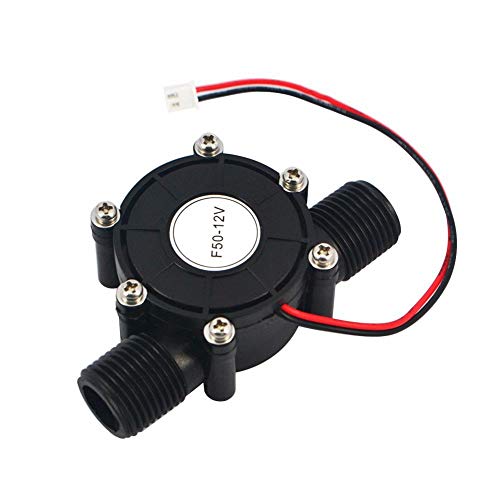
Beduan’s 12V micro hydro generator offers a compact solution for small-scale power needs. With the same low-noise, durable build and a concise 1/2″ inlet threading, this unit focuses on reliable 12V output for radios, lighting, and charging applications in off-grid environments. The design emphasizes long generator life and simple installation, suitable for hobbyist or emergency backup setups.
Buying Guide: Key Purchase Considerations And Comparisons
- Power needs: Determine your daily energy requirements. Choose a unit that covers peak loads without overbuilding, balancing generator size with expected water flow and head.
- Water source characteristics: High-head, low-flow streams favor compact Pelton-type setups; low-head, high-flow rivers suit larger, high-efficiency turbines. Match turbine design to your water resource.
- Voltage and compatibility: For off-grid or back-up uses, consider whether you need 12V, 24V, or 110-230V outputs. Some units provide regulated AC outputs directly, simplifying integration with existing loads.
- Durability and materials: Look for copper windings, robust housings, and proper seals. Aluminum shells, corrosion protection, and water seals extend service life in harsh environments.
- Installation and maintenance: Evaluate ease of installation, required fittings (inlet/outlet diameters), and the availability of spare parts. Simpler setups reduce long-term maintenance time and costs.
- Noise and vibration: Lower noise and stabilized operation improve suitability for residential or campsite use. Bearings and balanced rotors help minimize vibration.
- Reliability features: Automatic voltage regulation, leakage protection, and robust mechanical design contribute to steadier power, especially in off-grid deployments where reliability is critical.
- Portability vs. capacity: Portable micro turbines are easy to transport for temporary setups, while multi-kilowatt units require more space and water flow but deliver sustained power for homes or small workshops.
- Operating environment: Consider weather resistance, waterproofing perimeters, and protective housings for outdoor installations to extend lifespan.