When you need fast, precise metal cutting, a high speed cut off tool is essential. This guide compares five top options to help you pick the right tool for automotive work, home upgrades, or professional fabrication. Each product is evaluated for user type, suitability, and practical limits to support an informed purchase.
| Product | Best For | Notes |
|---|---|---|
| Genesis GCOT335 | Auto-body repair and metal fabrication | Powerful 3.5-amp motor, 24,000 RPM |
| AIRCAT .5 HP 3 in Cut-Off Tool | Budget-conscious quick cuts | Great value, practical for light to medium tasks |
| CILEONBE 3-Inch Air Cut Off Tool | Lightweight pneumatic cutting | 20,000 RPM; includes full accessory set |
| DEWALT 20V MAX XR Cut Off Tool | Cordless convenience for tight spaces | Brushless with LED illumination |
| DCK 4-1/2-Inch Angle Grinder | Heavy-duty grinding and cutting | 11,800 RPM; ergonomic and compact |
Genesis GCOT335 3.5-Amp Cutoff Tool
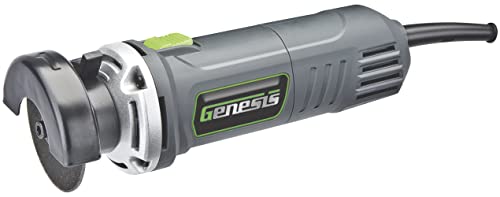
Best for auto-body repair and demanding metal cutting. This tool features a powerful 3.5-amp motor and a no-load speed of 24,000 RPM, enabling rapid cuts through straps, hangers, exhaust components, sheet metal, and pipes. The high speed makes jobs faster, reducing downtime in workshop tasks.
Who this is for: automotive technicians and metal fabricators who need a robust, corded option. Why selected: it delivers strong cutting performance at a reasonable price and is well-suited for frequent, heavy-duty cuts. Caution: cords can limit mobility in large projects; plan your workspace to avoid drag on the cord.
AIRCAT .5 HP 3 in Cut-Off Tool
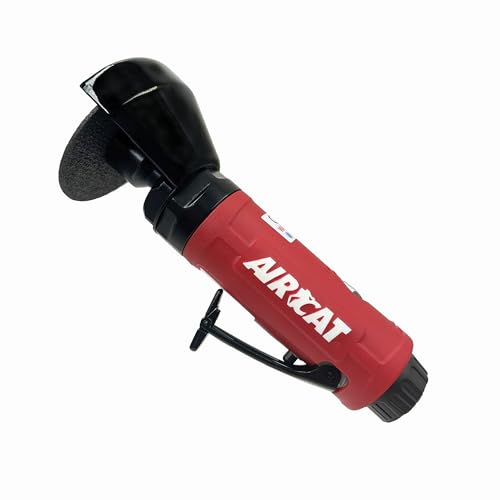
Best for budget-minded users needing efficient 3-inch cuts. The tool is described as a solid price-to-performance option, suitable for lighter-to-medium metal cutting tasks in garages and professional shops.
Who this is for: hobbyists and DIYers seeking affordable, straightforward cutting. Why selected: value-focused choice that covers essential cut-off needs without extra features. Caution: may lack high-end exhaust or braking systems found in premium models; not ideal for continuous, heavy-duty use.
CILEONBE 3-Inch Air Cut Off Tool
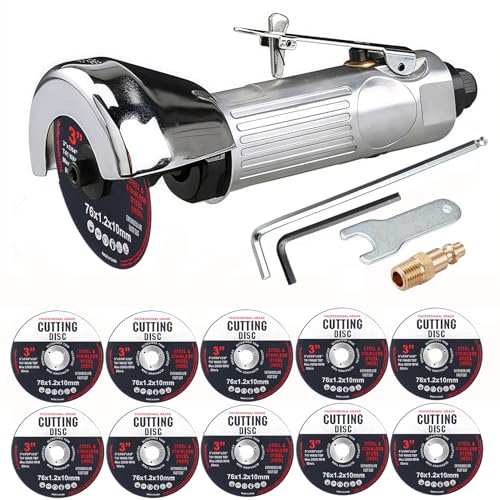
Best for lightweight, versatile air-powered cutting. This 3-inch tool reaches up to 20,000 RPM and ships with a complete accessory kit, including ten 3″ cut-off wheels and fittings for immediate use. Its aluminum body keeps weight down for comfortable prolonged use.
Who this is for: professionals who value a broad accessory set and low fatigue during extended sessions. Why selected: the included wheels and fittings make it a ready-to-go package. Caution: 20,000 RPM is fast; ensure proper PPE and workpiece stabilization to manage kickback and vibration.
DEWALT 20V MAX XR Cut Off Tool

Best for cordless versatility in tight spaces. This bare-tool cut off option features a brushless motor and a 550 MWO, enabling efficient performance across materials with improved runtime. LED lighting helps illuminate dim work areas.
Who this is for: tradespeople or DIYers who prioritize mobility and working away from outlets. Why selected: cordless convenience is highly valuable in overhead or awkward angles. Caution: battery life and tool weight can affect balance during extended use; plan battery management accordingly.
DCK 4-1/2-Inch Angle Grinder

Best for heavy-duty grinding and cutting with a powerful 6.7-amp motor and 11,800 RPM. This tool combines compact design with high performance, including a spindle lock for quick wheel changes and a two-position side handle for improved control.
Who this is for: professional fabricators and plumbers who require higher power for metal and wood tasks. Why selected: high speed and robust build make it a versatile workhorse. Caution: heavier than some competitors; use proper support and fatigue management during long sessions.
Buying Guide: Key Considerations
What type of work will you do most often? For auto body or metal fabrication, a corded option with higher torque is typically preferred. If you need mobility or working in tight spaces, a cordless model can be advantageous.
Corded vs cordless: Corded tools often deliver consistent power for long sessions, while cordless tools offer flexibility but can be limited by battery life. Consider your workspace and preferred workflow when choosing.
RPM and power: Higher RPM improves speed but can increase heat and vibration. Match RPM to material and project requirements; tougher metals may benefit from higher power tools with stable operation.
Safety features: Look for wheel guards, safety switches, and ease of wheel changes. PPE should include eye protection, gloves, and hearing protection, especially for high-speed tools.
Weight and ergonomics: Lighter tools reduce fatigue, but ensure you still have enough torque for the task. A comfortable grip, balanced weight, and a two-position handle can significantly affect control.
Accessories: A kit with multiple wheels and fittings saves time. If a tool comes with a full accessory set, it can be more economical and ready for immediate use.
FAQ
- What is considered a high-speed cut off tool? A tool designed to cut metal quickly, typically with RPM in the range of 20,000–24,000 or more for efficient material removal.
- Should I buy a corded or cordless model? Corded tools offer consistent power for long tasks; cordless models provide mobility for tight spots or overhead work. Choose based on your typical workspace.
- Is a 3-inch or 4-1/2-inch tool better? Smaller 3-inch tools are lighter and easier in tight spaces; larger 4-1/2-inch grinders deliver more cutting power for thicker materials and heavy-duty tasks.
- What safety gear is essential? Safety glasses, gloves, hearing protection, and a face shield when grinding or cutting metal. Ensure proper ventilation in the work area.
- Can I use any wheel with these tools? Use wheels rated for the tool’s arbor size and RPM. Incorrect wheels can fail at high speeds and cause injury.