If you need precise, clean cuts for large tile jobs, a commercial wet tile saw is the smart choice. This guide highlights five top options, explains who they’re best for, and compares features like cutting depth, capacity, and dust control. Ideal buyers include general contractors, bathroom remodelers, tile installers, and serious DIYers tackling large projects. The following table summarizes the most relevant picks and their standout strengths.
| Product | Main Benefit | |
|---|---|---|
| DEWALT D24000S | All-in-one system with stand and accessories | Pros who want a complete on-site kit |
| DEWALT D36000S | High output with precise rails and large cut capacity | Pro installers needing powerful performance |
| SKIL 3540-02 | Budget-friendly, compact for smaller sites | Budget projects or limited spaces |
| BARWALT Saw Shack BWT70852 | Indoor/outdoor dust containment in a tent-style enclosure | Dust-sensitive indoor jobs |
| Skil 3550-02 | HydroLock containment for easier cleanup | Light to medium-duty installations |
DEWALT Wet Tile Saw With Stand, 10-Inch

The DEWALT D24000S is a complete cutting system, including a stand, cutting cart extension, and multiple trays. With a 10-inch blade and a 3 1/8-inch max cut depth, it suits medium to large tile projects where stability matters. Best for contractors who want a ready-to-roll setup and strong bevel capability for cutting at 45 degrees. A potential limitation is weight and transport effort, as the saw weighs about 69 pounds.
DEWALT Wet Tile Saw with Stand, 10 Inch, 15-Amp, 1,220 MWO

This model emphasizes precision and speed, featuring cutline indicators and a rigid frame for accuracy within 1/32 inch over 30 inches. It offers a generous 37-inch rip capacity (41 inches with plunge) and 18-inch clearance left of the blade. It’s best for pros who tackle large-format tile jobs and require reliable repeatability across long runs. Best avoided for small, detail-heavy work where lighter tools shine.
SKIL 7-Inch Wet Tile Saw — 3540-02

The SKIL 3540-02 focuses on compact convenience with a corrosion-resistant stainless steel top that supports tiles up to 12 x 12 inches. A key feature is the adjustable rip fence and miter gauge for accurate straight and miter cuts, plus a blade cooling water reservoir to minimize dust and extend blade life. It’s best for smaller jobs or tight workspaces; consider a larger unit if you routinely cut bigger tiles.
BARWALT Saw Shack X-Large Wet Tile Enclosure

BARWALT’s Saw Shack is an enclosure designed to keep tile dust and slurry contained, enabling indoors cuts with reduced cleanup. It includes a transparent dust cover and a thick plastic pan to prevent punctures from falling materials. Best for contractors who want to keep job sites cleaner and avoid transportation of wet debris. A caveat is setup time and the need for adequate space to deploy the enclosure effectively.
Skil 3550-02 7-Inch Wet Tile Saw
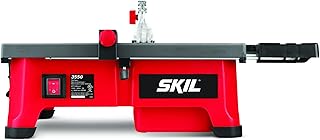
The Skil 3550-02 uses a HydroLock water containment system to minimize spillover and simplify cleanup. It pairs this with a sliding side extension for supporting tiles up to 18 x 18 inches and a durable aluminum table top. Best for small to medium installations where portability and simple operation are priorities. Consider this if you frequently work in spaces with limited access or need quick setup and breakdown.
Buying Guide
What should you consider when buying a commercial wet tile saw?
- Cutting capacity: Determine the maximum tile size you routinely cut. Bigger projects need greater rip and diagonal capacity.
- Stability and stand: A solid stand or cart reduces operator fatigue and improves accuracy on long runs.
- Dust and water management: Look for containment options, splash guards, and drainage features to protect floors and workers.
- Bevel and plunge features: 45-degree bevels and plunge cuts expand tile layout possibilities and reduce waste.
- Maintenance needs: Accessible blades, water delivery, and easy access to belts or wheels affect uptime.
- Portability vs. power: Heavier models offer stability and power but require more effort to move. Lighter models improve transport but may compromise capacity.
Which features matter most by project type?
- Residential bathroom tiles: Focus on compact size, ease of setup, and reliable water containment.
- Commercial or large-format jobs: Prioritize high cut capacity, precision indicators, and durable build for repeated use.
- Dust-sensitive interiors: Choose an enclosure or dust-control system to minimize debris spread.
Maintenance and safety tips
- Keep blades sharp and aligned; dull blades cause chipping and extra heat.
- Regularly check water flow to maintain cooling and reduce dust.
- Use proper PPE, including eye protection and gloves, during operation and cleanup.
FAQ
- What is the typical blade size for these saws? Answer: Most commercial wet tile saws use a 10-inch blade, with some compact models offering 7-inch blades.
- Can these saws cut through porcelain and large-format tiles? Answer: Yes, several models are designed for porcelain and large-format tiles, with higher cut capacities and bevel options.
- Is an enclosure necessary for indoor use? Answer: An enclosure is highly beneficial for indoor use to contain splash and dust and improve cleanup.
- Do these saws require a dedicated power outlet? Answer: Many are 120V and can run on standard outlets, but check horsepower and current draw for your job scale.
- Which model is best for beginners? Answer: Models with straightforward setup, integrated stands, and basic containment features are typically best for newcomers.
- What should I prioritize for outdoor tiling work? Answer: Durable construction, weather-resistance, and a stable stand with ample cutting capacity are key outdoors.