When choosing a circular metal cutting blade, look for durability, clean cuts, and compatibility with common arc saws. This guide highlights five strong picks for cutting steel, stainless steel, and ferrous alloys. Each blade is suited to different users—from DIY enthusiasts to tradespeople—depending on material thickness, cutting speed, and heat management. The following product table helps you compare at a glance and select the best fit for your projects.
| Product | Best For | Key Benefit |
|---|---|---|
| FOXBC 7-1/4″ 70T | Light to medium metalwork | Wide compatibility with cordless and corded saws |
| DEWALT 7-1/4″ 16T | General metal cutting | Simple, budget-friendly option |
| Diablo D0748CF 48T | Heavy-duty cuts | Cermet II teeth with high wear resistance |
| KURSTOL 7-1/4″ 48T | Ferrous metals | Laser groove cutting for stability |
| FOXBC 7-1/4″ 48T | Replacement, steel-focused tasks | Direct replacement for Diablo D0748CF |
FOXBC 7-1/4″ 70-Tooth Circular Blade For Metal

Best for heavy gauge steel and stainless channels. This blade features a 7-1/4″ diameter, 70 teeth, and a 0.075″ kerf for smoother, faster cuts with less burr. The 5/8″ arbor is compatible with most common saws and its ceramic carbide construction targets high wear resistance. Use this when cutting steel studs, angle iron, EMT conduit, and thick plates or bars. A caution: ensure your saw’s RPM can match the blade’s 5800 MAX RPM rating to avoid overheating.
DEWALT Circular Saw Blade 7-1/4″ 16T (DW3330)
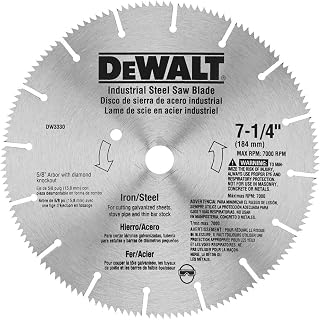
Best for quick metal cutting tasks and budget-conscious projects. This 7-1/4″ blade is designed for steel and iron, offering straightforward performance for routine cuts. It’s a practical choice for hobbyists and workshop setups where simplicity and cost matter. A limitation: minimal tooth count means rougher edges on thicker materials; consider slower feeds to reduce burrs.
Diablo Steel Demon Cermet II 7-1/4″ Blade (D0748CF)
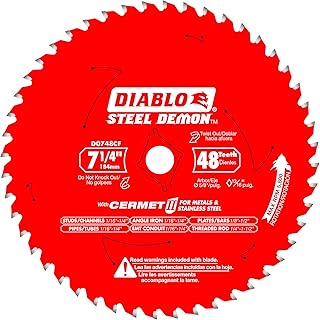
Better for heavy-duty metal cutting with longer blade life. The Cermet II teeth deliver high heat tolerance and hardness, reducing blade changes and extending life by up to 25X versus standard grinding discs. Expect up to 50X cooler cuts compared with grinding discs, lowering discoloration risks on steel. Choose this for demanding metal work and frequent blade changes. Limitation: higher upfront cost than basic blades.
KURSTOL 7-1/4″ 48T Metal Cutter (15.87mm Arbor)

Best for ferrous metals with clean, controlled cuts. This blade uses 48 tungsten carbide teeth and laser grooves to reduce noise and vibration, promoting accurate and stable cutting. It’s well-suited for steel, iron, pipes, and similar feedstock. A caution: ensure the laser grooves align with your saw’s guidance system to maximize stability; misalignment can lead to slight drift on thicker cuts.
<a href="https://www.amazon.com/sspa/click?ie=UTF8&spc=MTo3MTM4ODkzNDczMTcxNTgyOjE3OTAwNzM2MTU6c3Bfc2VhcmNoX3RoZW1hdGljX2J0ZjozMDAwMTg5MTE1NTk5MDI6OjE6Og&url=%2FFOXBC-Circular-Stainless-Cutting-Replacement%2Fdp%2FB0CBLJF1DK%2Fref%3Dsxbs_pa_sp_search_thematic_btf_sspa%3Fcontent-id%3Damzn1.sym.9435b2aa-085c-44dc-8cef-d0748587ce2d%253Aamzn1.sym.9435b2aa-085c-44dc-8cef-d0748587ce2d%26cv_ct_cx%3Dcircular%2Bmetal%2Bcutting%2Bblade%26keywords%3Dcircular%2Bmetal%2Bcutting%2Bblade%26pd_rd_i%3DB0CBLJF1DK%26pd_rd_r%3D9e479376-3840-407e-88e2-f28f9afaecee%26pd_rd_w%3DY5hH2%26pd_rd_wg%3DUb7JW%26pf_rd_p%3D9435b2aa-085c-44dc-8cef-d0748587ce2d%26pf_rd_r%3D3YVWN4ZJS11X3N4CBJRC%26qid%3D1790073615%26sbo%3DRZvfv%252F%252FHxDF%252BO5021pAnSA%253D%253D%26sr%3D1-2-73e1366e-5cfd-4283-a4f2-da1469909d71-spons%26aref%3DxazvRbtA3S%26sp_csd%3Dd2lkZ2V0TmFtZT1zcF9zZWFyY2hfdGhlbWF0aWNfYnRm%26psc%3D1&aref=xazvRbtA3S?tag=genrerators-20

Best for replacement use and stainless-focused tasks. The 48T blade from FOXBC provides a practical alternative to standard metal blades with a compatible 7-1/4″ size and 0.075″ kerf. It is well-suited for steel and stainless applications when you need a direct substitution for your existing setup. A limitation: fewer teeth can yield rougher edges on thicker materials; use slower feeds for cleaner finishes.
Buying Guide: Key Considerations For Circular Metal Cutting Blades
- Material compatibility: Choose blades designed for steel, stainless steel, or ferrous metals depending on your project.
- Teeth count: Higher tooth counts give smoother cuts in metal with reduced burrs; lower tooth counts cut faster but may need more finishing work.
- Blade geometry: Laser grooves and carbide metallurgy improve stability and heat resistance for longer blade life.
- Arbor and RPM: Verify arbor size (commonly 5/8″ or 1/2″) and the maximum RPM to prevent blade wobble or failure.
- Budget vs. durability: Cermet II or carbide-tipped blades often cost more but offer longer life in tough metals.
- Cut quality vs. speed: Balance the need for clean edges with production pace; high-performance blades may be worth the investment in frequent metal work.
Frequently Asked Questions
- What blade is best for cutting steel studs and angle iron? A high-durability carbide or cermet blade with 40–70 teeth typically works well for steel studs, angle iron, and similar profiles.
- Can I use a standard wood-cutting blade for metal? No. Metal blades are designed with materials and tooth geometry suited to metal, reducing heat buildup and burrs.
- How do I prevent burrs on metal cuts? Use a blade with more teeth or a finishing cut on the opposite side; ensure proper feed rate and cooling when cutting.
- Is a higher RPM blade safer? Blades are rated for specific RPMs. Using a blade beyond its RPM rating can be dangerous and cause premature wear.
- When should I choose a cermet blade? For very hard metals, high heat resistance, and longer life across repeated cuts, cermet blades perform best.
- Should I consider laser groove blades? Yes, laser grooves reduce vibration and noise, improving accuracy and stability during cuts.