Answering the search for a battery-powered wood splitter, this guide highlights electric and battery-neutral options that deliver clean, reliable logs without gas or fumes. Ideal buyers include homeowners with smaller to medium firewood needs, weekend woodworkers seeking portability, and anyone prioritizing quiet operation and low maintenance. The top five picks here balance power, portability, and safety, with quick-reference notes to help you compare at a glance.
| Product | Power Type | Best For |
|---|---|---|
| WEN Electric Log Splitter | Electric with Stand | All-around mobility and stability with the option to stand |
| BILT HARD 6.5-Ton | Electric | Budget-friendly, steady performance for regular use |
| YARDMAX YS0650 | Electric | Compact, reliable for small to medium loads |
| PPOLB 7 Ton | Electric | Stable power with a compact footprint for home use |
| PROYAMA 6.5 Ton | Electric | Quiet operation and efficient splitting for home wood crews |
WEN Electric Log Splitter With Stand
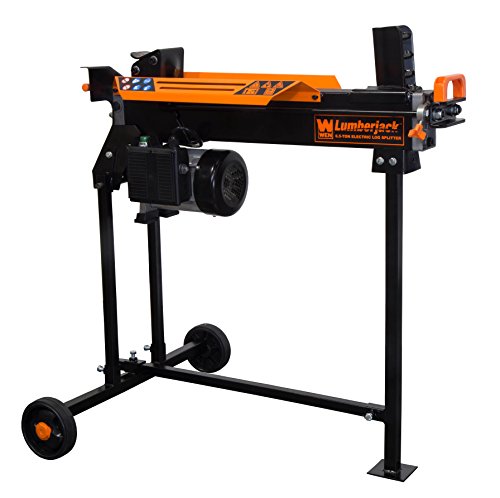
The WEN 56208 uses a 15A motor delivering more than 13,000 pounds of log cracking pressure. It can be used with the 34-inch stand or without it for flexibility in different job sites. Included pull handle and 5.5-inch never-flat wheels aid in transporting between locations. Best for homeowners who want a robust, portable unit that can be easily moved around a yard or job site.
Why selected: This model combines strong splitting power with portability, making it a practical all-terrain option for frequent, on-site use. The stand option is a plus if you need stable splitting for longer sessions. A potential limitation is dependence on an adequate power outlet for optimal performance.
Caution: Ensure the 15A circuit can handle extended use to avoid tripping breakers on longer sessions. The height and wheel setup may be less comfortable on extremely uneven ground.
BILT HARD 6.5 Ton Log Splitter

Powered by a 15A motor delivering 6.5 tons of log-cracking pressure, this model can split logs up to 9.8 inches in diameter and 20.5 inches long. Its two-hand safety controls and fume-free electric operation make it well-suited for indoor garages or workshops. Best for light to moderate workloads where quiet operation is valued.
Why selected: It balances solid splitting force with safety features and a compact footprint. The primary caveat is that larger hardwoods near the 9.8″ diameter limit may require a slower cycle or shorter logs to maximize efficiency.
Caution: Use within the recommended log diameter and length; avoid forcing oversized pieces that could overwhelm the ram or stall the motor.
YARDMAX YS0650 6.5 Ton Electric Splitter

The YARDMAX YS0650 provides 6.5 tons of RAM force and supports logs up to 20.5 inches long and 10 inches in diameter. Its straightforward design and dependable performance make it a strong choice for homeowners needing steady, efficient splitting without a gas engine. Best for users who value simple setup and reliable operation.
Why selected: It offers a balance of capacity and simplicity, with a strong, compact build suitable for typical home firewood needs. Limitation: not ideal for very large diameter rounds or heavy-duty, continuous commercial use.
PPOLB 7 Ton Electric Wood Splitter

This 7-ton hydraulic log splitter runs on a 15A motor and can handle logs up to 21.2 inches long and 12 inches in diameter. It emphasizes a sturdy steel frame and durable wedge for higher durability in periodic heavy-use scenarios. Best for those who want a compact unit with more diameter capacity than light-duty models.
Why selected: The larger diameter capacity expands the range of usable firewood varieties. Caution: The recommended log dimensions should be followed to avoid overloading the ram and reducing cycle efficiency.
BILT HARD 18-Ton Gas Log Splitter
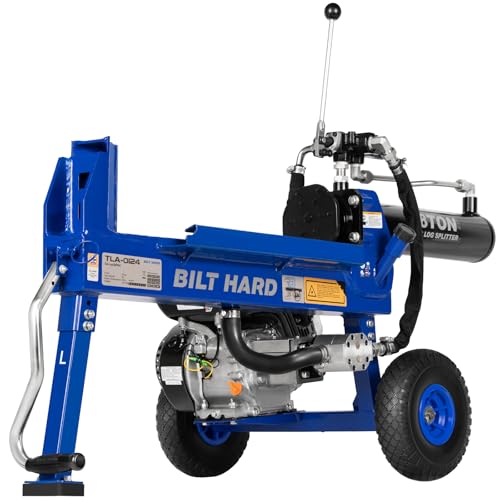
Although powered by a gas engine, this model offers a substantial 18-ton splitting force with a 7 HP 209cc OHV engine, along with a fast cycle time of 7.5 seconds. It uses a full-beam steel wedge design and heavy-duty tires for transport over varied terrain. Best for high-volume, demanding wood splitting tasks or larger hardwoods.
Why selected: It provides high power and quick performance, ideal for frequent or professional use in outdoor settings. Limitation: gas models require more maintenance and emit fumes compared to electric units.
Buying Guide
What size and power do you need? For most home users, 6.5-ton to 7-ton electric splitters handle common hardwoods like oak and maple up to 20 inches long and around 10 inches in diameter. If you anticipate larger logs, consider models rated 12 tons or more, or explore gas-powered options for heavy-duty workloads, understanding the trade-offs in noise and emissions.
Portability matters. Look for built-in wheels, a folding or removable stand, and manageable weight. A 34-inch stand or a compact footprint can influence where you can work. If you move between sites, a lighter unit with wheels is preferable.
Safety features. Two-hand controls, automatic ram return, and clear safety labels protect against injuries. For outdoor use, ensure a stable surface and proper power supply. If you plan to split indoors, ensure the unit is designed for indoor operation and limited exhaust.
Maintenance and durability. Steel frames and robust wedges contribute to longevity. Consider models with simple mechanical interfaces and straightforward parts replacement. For corded electric units, ensure your outlet matches the motor’s amperage and circuit requirements.
Operating environment. Gas-powered splitters excel in remote locations with no electrical access and high volume, but require more maintenance and ventilation. Electric models are cleaner but rely on power availability. Choose based on expected frequency, location, and noise tolerance.
Compatibility and future-proofing. If you foresee upgrading tools, check whether your preferred models offer accessory kits, stands, or additional wedges. Look for compatible log lengths and diameters to avoid frequent retooling.
FAQ
- Q: What is the typical log size these splitters handle? A: Most 6.5–7 ton electric splitters handle logs up to about 20 inches long and 10 inches in diameter; larger logs may require higher-ton models.
- Q: Are battery-powered wood splitters common? A: Most consumer models are electric or gas-powered; battery-powered unit options are limited and less common for higher-ton splitting tasks.
- Q: Is gas better than electric for frequent use? A: Gas splitters offer high power for large volumes and larger logs, but require more maintenance and produce emissions; electric units are quieter and cleaner but depend on power access.
- Q: What safety features should I look for? A: Two-hand operation, sturdy wedges, ram return mechanisms, and clear safety guards help prevent injuries during operation.
- Q: Can I use these indoors? A: Electric units are generally safer indoors, provided your space is well-ventilated and you manage power cords safely. Gas models are not recommended for enclosed spaces due to fumes.
- Q: How should I transport these splitters? A: Look for models with transport wheels and optional stands to ease movement across uneven terrain or across yards.