Answering the question, the best bandsaw blades for metal are durable bi-metal blades designed to handle soft and some tougher metals with controlled tooth geometry. This guide highlights five solid choices, ideal for hobbyists, DIY fabricators, and shop professionals who cut aluminum, copper, mild steel, and similar alloys. Each blade is chosen for a specific cutting profile, so you can match the blade to your metal type and saw model. Below, you’ll find quick-fit recommendations, clear pros, and practical notes to help you pick with confidence.
Buyer needs vary: some want fast metal cutting for thin sections, others require thick-walled tubing or small-diameter bars. The following table summarizes the five blades, their key specs, and best-fit use cases to speed your decision.
| Product | Length | Width | Tooth Type | |
|---|---|---|---|---|
| Imachinist S933414 M42 93″ X 3/4″ X 10/14tpi | 93″ | 3/4″ | 10-14 TPI, Bi-Metal | Soft ferrous metals, thin tubes, small profiles |
| FOXBC 64-1/2″ X 1/2″ X 0.02″ X 24 TPI | 64.5″ | 1/2″ | 24 TPI, Bi-Metal | Thin metal sections, tubing, advanced finish |
| POWERTEC 93-1/2″ Bi-Metal, 1/2″ x 14 TPI | 93.5″ | 1/2″ | 14 TPI, Bi-Metal | Soft metals like aluminum, copper, lead |
| Bosch BS6412-24M 64.5″ x 24 TPI | 64.5″ | — | 24 TPI | Precise metal cutting in medium thickness |
| Imachinist S9312121014 93-1/2″ X 1/2″ X 10/14TPI | 93.5″ | 1/2″ | 10/14 TPI, Variable Teeth | Soft ferrous metal; versatile for different sections |
Imachinist S933414 M42 93″ Blade

Best for: hobbyists and small shops cutting soft ferrous metal, thin tubes, pipes, and profiles. The M42 bi-metal construction provides durability and speed for general metal cutting. The 93″ length supports longer blade paths without frequent changes, while the 3/4″ width reduces deflection on thicker cuts. The 10/14TPI tooth set balances aggressive cutting with a cleaner finish for mild steel and similar metals. Caution: not ideal for hard alloys or high-speed steel without blade speed adjustments.
FOXBC 64-1/2″ 64.5″ Blade, 24 TPI

Best for: precise, thin-section metal work and faster finishes on light metals. The 24 TPI provides finer cuts suitable for aluminum, brass, and similar materials. Its 0.02″ blade thickness helps with heat management and smoother edge work on small-diameter tubes or profiles. This blade is better for precise, clean cuts rather than heavy ripping through thick metals. Limitation: slower aggressive metal removal on thicker sections; ensure your saw speed is appropriate for TPI and material.
POWERTEC 93-1/2″ Bi-Metal Blade, 1/2″ x 14 TPI

Best for: light metal-cutting jobs in shops using a range of metal materials such as aluminum and copper. With a 14 TPI, this blade type emphasizes steady removal with fewer passes, reducing heat buildup. The bi-metal construction supports longer life under typical shop use. Choose this if you need a versatile blade for mixed metal projects and compatible saws (Wen, Delta, Grizzly, etc.). Caution: not optimized for very hard steels or thick-walled sections.
BOSCH BS6412-24M Metal Blade

Best for: metal applications requiring premium heat-resistant materials with optimized tooth geometry. This blade is designed to reduce heat buildup and maintain cutting performance over longer runs. It suits a range of metal types and thicknesses, making it a reliable all-around performer for bench-top or standalone band saws. Limitation: available in a fixed tooth count; may be less flexible for very thin or very thick cuts compared to variable tooth designs.
BOSCH BS5912-18MA 59-1/2″ Blade
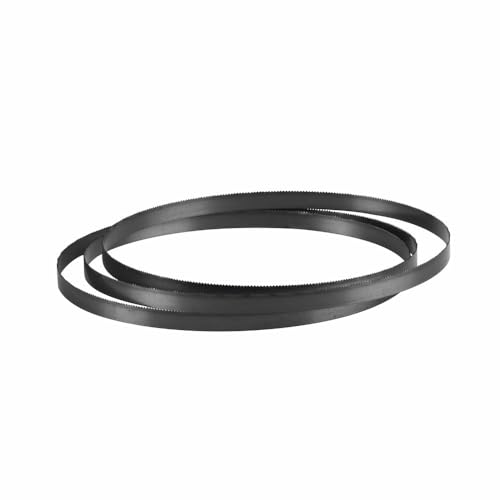
Best for: soft-metal cutting including aluminum and bronze, with a durable blade design that combats heat buildup. This blade emphasizes material-friendly performance and longevity for ongoing projects with softer metals. It’s a good match for hobbyists who frequently switch between aluminum and copper, but avoid if cutting very hard alloys or requiring ultra-fine finishes.
Imachinist S9312121014 93-1/2″ Blade
Best for: versatile metal cutting with 10/14TPI variable teeth, suitable for soft ferrous metals and mixed profiles. The variable tooth design helps with smoother cuts in varying thicknesses and shapes, making it a flexible option for shops handling tubing and bar stock. Caution: performance can depend on blade speed and feed rate; ensure compatibility with your machine’s capabilities.
Buying Guide: How To Choose The Right Bandsaw Blade For Metal
What matters most when selecting a blade is the metal type, thickness, and the blade’s speed matching your saw. Bi-metal blades deliver wear resistance and flexibility, ideal for cutting ferrous and non-ferrous metals. Consider these factors:
- Metal Type: Softer metals like aluminum and copper respond well to higher TPI blades; tougher steels may require mid-range TPI and robust bi-metal construction.
- Blade Length and Width: Longer blades reduce the number of changes; wider blades reduce wandering and support straight cuts but require appropriate saw throat space.
- Tooth Configuration: Higher TPI gives cleaner finishes on thin sections; lower TPI removes material faster but can roughen edges. Variable tooth designs offer versatility for mixed projects.
- Blade Thickness: Thinner blades cut more easily through thin profiles but are more prone to flex; thicker blades are stronger for heavy cutting but require proper tension and feed.
- Compatibility: Verify blade length and width fit your bandsaw model, and ensure the blade speed range aligns with your saw’s capabilities.
Practical Quick-Decision Questions
- Do I cut primarily soft metals or a mix of metals? Consider a 14 TPI blade for versatility and good heat management.
- Will I cut tubing or small-diameter profiles? Look for blades with fine or medium tooth counts and narrow width.
- Is blade longevity a priority over speed? Bi-metal construction generally offers longer life under typical shop usage.
- Do I need a blade with a precise finish on thin sections? Higher TPI (like 24) blades provide cleaner finishes on fine cuts.
- Will I switch between metals often? Variable-tooth blades can adapt to different materials and thicknesses.
Frequently Asked Questions
- What blade is best for aluminum cutting? A mid-range TPI bi-metal blade (around 14 TPI) balances speed and edge quality for aluminum.
- Can I use a metal cutting blade on wood? No; wood-cutting band blades are designed for different tooth geometry and materials and should not be used for metal.
- How do I know if a blade is too thick for my saw? Check your bandsaw’s throat depth and wheel radius; blades thicker than the saw’s capability may cause binding.
- Why do some blades have high TPI but are slower? Higher TPI reduces material removal rate but improves the finish and control on thin sections.
- Should I prefer 93″ or 64″ blades? Longer blades are better for larger saws and longer cuts; shorter blades fit compact or benchtop models.