Answering the common buyer question: when you need an 8-inch hole for recessed lighting, masonry, or large-diameter openings, these hole saws are designed to cut through concrete, brick, stucco, drywall, and cement board with improved durability and faster cutting. This guide highlights five 8-inch options that balance carbide or diamond grit, depth, and compatibility. It’s ideal for contractors, DIY enthusiasts, and professionals tackling large-diameter openings in varied materials. Below, compare the top picks and see who each product is best for, including practical cautions and cutting depth details.
| Product | Best For | Cut Depth | Material Type |
|---|---|---|---|
| HLOFIZI 8 Inch Carbide Grit Hole Saw | Drywall, plaster, stucco, cement board installs | 1-1/2 inches | Tungsten carbide grit |
| DaduoRi 8 Inch Wet Core Drill Bit | Thick concrete, rebar-containing masonry | 14 inches | Diamond grit |
| MaxTool 8-1/16″ TCT Hole Saw | General construction, asphalt, brick, concrete | 2-1/4 inches | Tungsten carbide tipped |
| SALI 8″/205mm Core Drill Bit | Concrete, red brick, tile masonry | 15 inches | Diamond grit |
| HLOFIZI 8 Inch Hole Saw Carbide Tipped (Green) | Wood, drywall, plastic, recessed lights | 2-1/4 inches | Carbide tipped |
HLOFIZI 8 Inch Carbide Grit Hole Saw for Recessed Lights

Key features: 8″ hole saw ideal for installing 8″ recessed lighting; 7/16″ shank fits 1/2″ chucks; designed to cut through stucco ceilings, old plaster, drywall, cement board; tungsten carbide grit edge aimed at longer life; cutting depth up to 1-1/2″. Best for professional installers or remodelers needing a durable, fast-cutting option for drywall and plaster plus cement board. Caution: ensure proper alignment to avoid wobble when working through dense materials.
DaduoRi 8 Inch Wet Core Drill Bit
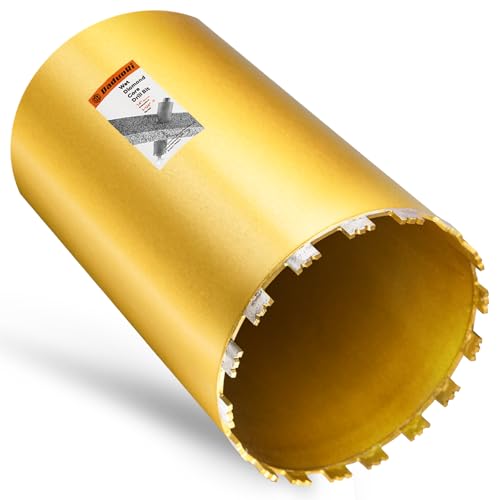
Key features: 8″ core bit with 14″ drilling depth; designed for concrete, masonry, brick, block, cement, and stucco; diamond grit coating supports clean, precise cuts; uses wet drilling to prolong tool life and reduce dust. Best for heavy-duty concrete and thick masonry walls with rebar. Limitation: requires water cooling and compatible drilling setup to maximize lifespan and performance.
MaxTool 8-1/16″ TCT Hole Saw

Key features: premium carbide construction for hardness and wear resistance; 2.25″ deep cut capacity; versatile across asphalt, brick, concrete, gypsum, limestone, tile, wood, and MDF; designed for contractors and DIYers tackling tough, wide-diameter holes. Suitable for large openings in mixed materials. Caution: performance varies with surface density; ensure steady feed and proper drill speed to avoid wandering.
SALI Wet Diamond Core Drill Bit 8″/205mm
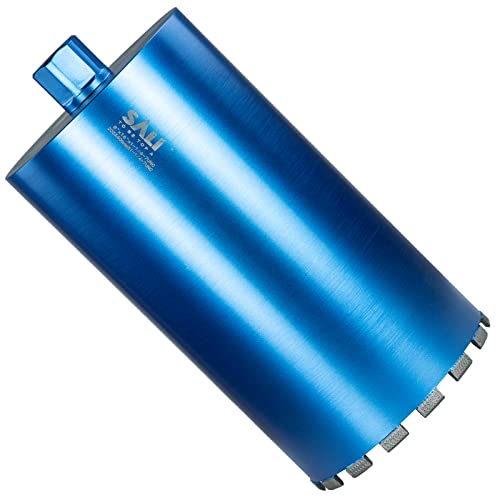
Key features: 8″ diameter, 15″ drilling depth; 1-1/4-7″ thread; diamond laser-welded segments; designed for concrete, brick, block, masonry, stone, and rebar conditions; requires wet operation to prolong life and reduce dust. Best for large concrete penetrations and installations with heavy-duty materials. Limitation: weather or dust conditions can affect performance; ensure water supply is steady to avoid overheating.
HLOFIZI 8 Inch Hole Saw Carbide Tipped (Green)

Key features: 8″ carbide-tipped hole saw; suited for hard wood, drywall, plastic, and recessed light installations; claims up to 3x faster cutting than standard bi-metal hole saws; depth up to 2-1/4″; 7/16″ shank fits 1/2″ chuck. Best for faster cuts through multi-materials with a single tool. Caution: ensure you use the correct drill speed for carbide-tipped edges to avoid heat buildup.
Buying Guide
What matters most when choosing an 8-inch hole saw?
- Material compatibility: Choose carbide-tipped or diamond-coating for harder materials like concrete, brick, stucco, and cement board. For drywall and plaster, standard carbide grit or bi-metal options may suffice.
- Cutting depth: Look for deeper cuts if you need to pass through thicker walls, slabs, or layers. Depths range from 1-1/2″ to 2-1/4″ or more.
- Drill compatibility: Confirm shank size and chuck fit. Most 8″ hole saws use a 7/16″ shank for 1/2″ chucks; some require SDS or specialized adapters.
- Wet vs dry drilling: Diamond grit and wet-core options outperform on dense concrete and rebar; wet drilling reduces dust and heat, prolonging tool life.
- Durability and life: Carbide tips offer long life on composite materials; diamond-core bits perform best on very hard masonry but require careful handling and cooling.
- Application scope: If you’re installing recessed lighting, aim for saws that handle plaster, stucco, and cement board with clean edges and minimal chipping.
Quick comparison by scenario
- Recessed lighting in plaster or drywall: HLOFIZI 8 Inch Carbide Grit or HLOFIZI Green Carbide Tipped.
- Thick concrete or stone walls: DaduoRi 8 Inch Wet Core Drill Bit or SALI 8″/ diamond core bit.
- General heavy-duty drilling: MaxTool 8-1/16″ TCT Hole Saw or MaxTool 8-1/4″ TCT Hole Saw for larger diameters and deeper cuts.
FAQ
- Q: Do I need to use water when drilling with these 8″ bits? A: Wet core bits (diamond grit) require water cooling to extend life and reduce dust; some carbide grit options are dry-cutting.
- Q: Will these fit my 1/2″ drill chuck? A: Most 8″ hole saws use a 7/16″ shank compatible with a 1/2″ chuck, but always verify the shank size.
- Q: Which is best for concrete only? A: Diamond core bits (SALI) excel on concrete and rebar; carbide grit options (HLOFIZI, MaxTool) perform well on drywall and plaster with mixed materials.
- Q: How deep can I cut with these? A: Depths vary; options range from 1-1/2″ up to 2-1/4″ on multiple models, with some deep core bits offering longer depths like 14″ or 15″ when using wet cores.
- Q: Are these suitable for professional use? A: Yes, several models are designed for contractors and DIY enthusiasts tackling large-diameter holes in diverse materials.
- Q: Should I avoid any material with these hole saws? A: Avoid cutting through extremely thick, dense metal or materials not rated for carbide/diamond tools without checking manufacturer guidance.