Find the right 45-degree concrete edger for clean, durable edges on sidewalks, slabs, or decorative pours. This guide highlights five reliable options, suitable for professional contractors and DIY builders who want precise chamfers without chipping. Each choice is evaluated for edge quality, ease of use, and material durability, helping you pick the best tool for your project.
| Product | Material | Edge Style | Best For | Key Benefit |
|---|---|---|---|---|
| MARSHALLTOWN Chamfer Stainless Steel Hand Edger (N368) | Stainless Steel | 45° Chamfer | General-use slabs and sidewalks | Durable, rust-resistant blade for long life |
| Bon Tool 12-864 6×6 Stainless Steel Chamfer Tool | Stainless Steel | 45° Radius | Small to mid-size jobs | Consistent 45° edge with compact size |
| MARSHALLTOWN QLT Bronze Chamfer Tube Edger | Bronze | 45° Chamfer | Long-lasting edger for frequent use | Bronze is durable and wear-resistant |
| Kraft Tool CF523 45-Degree Angle Chamfer Edger | Blue Steel | 45° Angle | General/construction sites | Reliable steel tool with standard dimensions |
| Bon 12-918 6×1 45 Degree Chamfer Radius Edger | Stainless Steel | 45° Radius | Precision edging on tight corners | Slim lip offers precise control |
Note: The table above uses the listed features to contrast edge quality, lip size, and material durability. Choose based on the scale of your project, the desired edge profile, and how often you plan to use the tool. The selections emphasize models with a clear 45-degree chamfer, strong construction, and manageable weight for extended use.
MARSHALLTOWN Chamfer Stainless Steel Hand Edger (N368)

The MARSHALLTOWN N368 is a hand-edger with a 6×6 inch blade and a 3/4 inch lip. The heavy-gauge stainless steel design resists rust and corrosion, extending tool life in outdoor or damp conditions. Best for general-purpose edging on concrete slabs where a symmetrical 45-degree chamfer prevents chipping and creates a clean joint line.
Who it’s best for: professionals and DIYers needing a sturdy, long-lasting edger for frequent use. Why selected: stainless steel provides durability and rust resistance, plus a balanced edge that helps maintain consistent chamfer lines. Caution: slightly heavier than aluminum-edged tools, which may require more wrist support during extended sessions.
Bon Tool 12-864 6-Inch By 6-Inch Stainless Steel Chamfer Tool
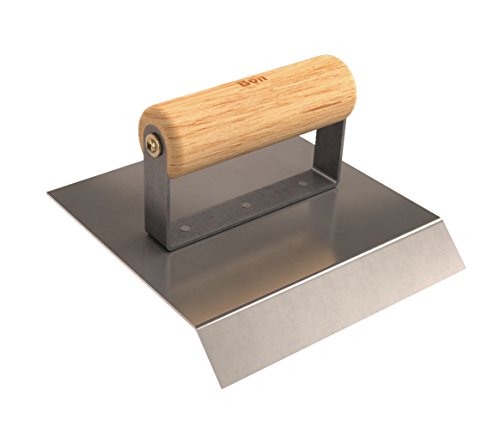
Bon’s 12-864 offers a 6×6 inch stainless steel face with a 45-degree radius. Its compact footprint makes it a strong choice for smaller slabs or edging along tight curves where larger edgers struggle. Best for: small projects and edging around tight corners. Why selected: solid stainless build resists corrosion and delivers a crisp chamfer. Caution: 6×6 size may be insufficient for larger surfaces, requiring multiple passes.
MARSHALLTOWN QLT Bronze Chamfer Tube Edger

The QLT Bronze Chamfer Tube Edger presents a longer tool with a 45-degree chamfer and a 3/4 inch lip. Bronze construction offers wear resistance in demanding environments and reduces the risk of gouging soft concrete edges. Best for: professionals who value longevity and a soft-grip handle for extended use. Why selected: bronze is durable and retains a sharp edge longer under repeated use. Caution: bronze tools can be pricier and heavier than some steel options.
Kraft Tool CF523 45-Degree Angle Chamfer Edger

Kraft Tool’s CF523 offers a blue-steel construction with a 45-degree angle and 6×8-inch dimensions. The data emphasizes standard tool packaging and core dimensions, making it a practical option for general concrete edging projects. Best for: builders who need a reliable, no-fruss tool with predictable dimensions. Why selected: blue steel provides a sturdy balance of hardness and workability. Caution: some users may prefer a softer grip for long sessions, as steel handles can get uncomfortable without a protective grip.
Bon 12-918 6×1 45 Degree Chamfer Radius

The Bon 12-918 features a 6-inch by 1-inch profile with a 45-degree chamfer radius and a 1/2-inch lip. This tool is optimized for precision edging where a narrow lip improves visibility of the chamfer line. Best for: edging along narrow joints or near edges that demand accuracy. Why selected: slimmer lip improves control in tight spaces. Caution: the small lip might require careful handling to maintain even chamfers across larger surfaces.
Buying Guide: How to Choose a 45-Degree Concrete Edger
What should you consider when buying a 45-degree edge tool? Material matters. Stainless steel resists rust and is long-lasting, bronze offers wear resistance with a lighter texture, and blue steel provides a strong, cost-effective option. Lip size affects control: larger lips stabilize the edge on wide slabs, while a narrower lip suits tight corners. Length and overall weight influence comfort during prolonged use. For outdoor projects, choose a tool with corrosion resistance and a handle that fits your grip style. For professional use, durability and replacement parts—like a long-wearing blade—are essential.
Edge Quality and Edge Profile
Look for a consistent 45-degree chamfer that prevents chipping and delivers a clean line. A flat bottom or straight sides support smoother edges during dragging strokes. If your project includes corners or transitions, a radius variation can help you achieve better control in tight spaces.
Durability and Comfort
Consider the blade material: stainless steel for corrosion resistance, bronze for wear resistance, and blue steel for a balance of cost and durability. Ergonomic handles and soft grips reduce fatigue in longer sessions, especially on large slabs or repeated passes.
Usage Scenarios
Choose a standard 6×6 inch edger for mid-size slabs and sidewalks. For long runs or professional jobs, a longer reed or tube edger with a soft grip may reduce wrist strain. When working near forms or edges, a slim lip helps maintain precise alignment without scraping the form.
Practical Tips
- Test edge consistency on a scrap section before committing to the entire surface.
- Keep blades clean and dry to prevent rust or buildup that affects cutting accuracy.
- Use steady, smooth passes rather than forceful, rapid strokes for uniform edges.
FAQ
- What is a 45-degree concrete edger used for? It creates a chamfered edge on concrete surfaces to improve aesthetics and reduce chipping at the edge.
- Which material lasts longest for edging tools? Stainless steel is highly durable and corrosion resistant, suitable for outdoor use.
- Is a bronze edger better than steel? Bronze edgers offer wear resistance and softer wear, which can be favorable for repeated use on soft surfaces.
- How should I maintain an edger blade? Clean after use, dry it, and apply a light coat of protective oil if not in use for extended periods.
- Can I use a 45-degree edger for large slabs? Yes, but consider a longer or tube edger for extended runs to reduce fatigue.