When you need reliable 120V power with a convenient 30A outlet for RVs, home backup, or off-grid use, choosing the right generator matters. This guide highlights five capable options that pair efficiency with portability, engine reliability, and user-friendly features. Each model supports 120V operation, multiple outlets, and portability features that make them suitable for camping, emergency power, or job sites. Read on to compare performance, fuel options, and special safeguards that help you pick the right fit for your needs.
Summary of Selected Models
- Oxseryn Store 4400-Watts Inverter Generator — Gas powered, RV ready, ECO mode, 14-hour runtime at 25% load
- Westinghouse 6500 Watt Dual Fuel — Gasoline/Propane, multiple 30A outlets, CO sensor
- A-iPower 4600W RV-Ready Inverter — Ultra-lightweight, CO sensor, reliable clean power
- WEN DF475T 4,750-Watt Dual Fuel — 120V/240V capability, wheel kit, electric start
- WEN DF1100T 11,000-Watt Dual Fuel — Higher output, dual fuel flexibility, electric start
4400-Watts Inverter Generator With 30A RV Port
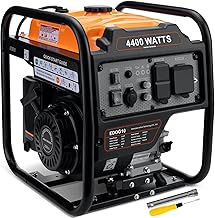
This portable inverter generator delivers 4400 peak watts and 3400 running watts, with two 120V outlets and a dedicated 30A RV port. Its 14-hour runtime at a modest load supports extended outages or weekend trips. Engineered as an inverter unit, it offers stable power with lower total harmonic distortion, making it suitable for sensitive electronics alongside appliances. Features include ECO mode, overload protection, low oil shutdown, and cold-start technology, which improve responsiveness in varying conditions. The gas tank is a 2-gallon capacity, contributing to a balanced weight and straightforward refueling.
Power and portability are balanced here: compact frame, RV-ready output, and essential safety protections. The 12V DC port adds versatility for charging devices or running auxiliary equipment. If you need dependable 120V power with a compact footprint and a focus on fuel efficiency, this model provides a practical blend of capability and convenience for home backup or mobile use.
Westinghouse 6500-Watt Dual Fuel Generator

This dual-fuel unit supports gasoline and propane, offering 6500 peak watts (gasoline) and 5800 peak watts (propane), with running watts of 5300 (gas) and 4800 (propane). A 4.7-gallon tank and favorable run times, up to around 14.5 hours at 120/240V, provide long-duration power. It features multiple outlets, including a 120V duplex receptacle, an RV-ready 30A TT-30R, and a transfer switch-ready L14-30R, all with rubber covers for protection. The package includes oil, funnel, hoses, wheels, and a tool kit to support quick setup. A CO sensor enhances safety in occupied spaces, a notable feature for home backup and larger outdoor events.
With its dual-fuel flexibility and multiple 30A-branch options, this generator suits users who want reliable power for home emergencies or facilities that depend on a steady 30A feed. The added safety and kit components reduce the setup friction commonly experienced with larger power stations.
A-iPower 4600W RV-Ready Inverter
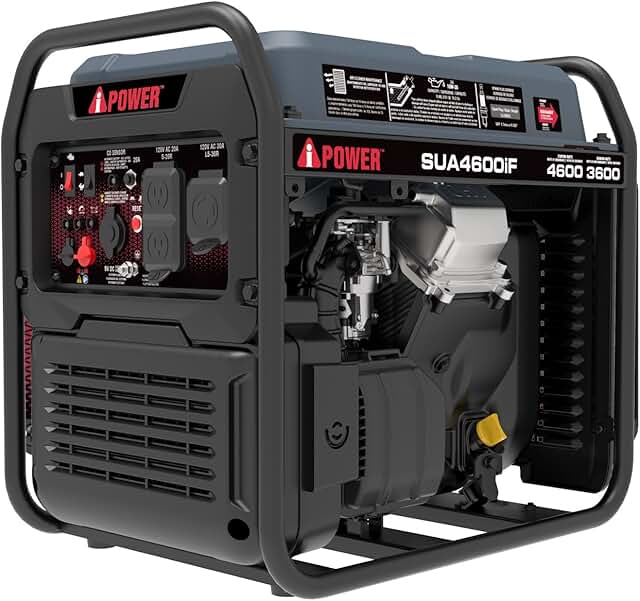
The A-iPower generator hits the sweet spot of power and portability: 4600 starting watts and 3600 running watts from a 149cc engine. It weighs around 56 pounds, making it one of the more portable options in this watt range. The unit includes inverter technology for a clean 3% THD power output, which is ideal for delicate electronics like laptops and chargers, as well as televisions and other sensitive devices. RV readiness adds extra value for campers, while the compact size supports easy transport to tailgate events or small jobsites.
Beyond raw power, this model emphasizes stability and ease of use. The combination of clean power and light weight helps reduce user fatigue during setup and operation. For those prioritizing safe power for electronics while maintaining travel-friendly dimensions, this inverter generator is a strong candidate.
WEN DF475T 4,750-Watt Dual Fuel Generator

The WEN DF475T offers dual-fuel versatility with gasoline (4750 surge, 3800 running) and propane (4350 surge, 3500 running). It operates at 120V and can be configured for 240V via the appropriate connections, making it suitable for transfer switches and emergency backup systems. An electric start simplifies operation, allowing immediate power with the press of a button. This model is well-suited for homeowners seeking a robust, flexible generator that can swap fuel sources depending on availability or price. The wheel kit aids mobility for frequent relocation around the property or campsite.
Fuel flexibility and user-friendly starting mechanisms position this generator as a practical choice for medium-duty power needs. It balances wattage with a manageable footprint, ensuring it can be stored and deployed quickly during outages or outdoor events.
WEN DF1100T 11,000-Watt Dual Fuel Generator

The WEN DF1100T delivers a substantial jump in available power with 11,000 surge watts and 8,300 running watts on gasoline, plus competitive propane figures of 9,500 surge and 7,500 running. It provides a robust 120V/240V capability, making it compatible with heavy-duty transfer switches and larger backup loads. The electric start feature simplifies operation, and the integrated wheel kit supports easier movement on construction sites or during storms. This model is designed for more demanding power needs, such as whole-home backups or job sites requiring reliable, continuous output.
For users who need large-scale portability without sacrificing fuel flexibility, this generator stands out. While it is heavier than mid-range models, its high wattage, fuel versatility, and electric start offer a compelling option for users who anticipate frequent outages or substantial power requirements.
Buying Guide: Key Purchase Considerations
- Power output and outlets: Match peak and running watts to your essential loads, and ensure at least one 30A RV/TT-30 outlet is present if you plan to power an RV or large appliances.
- Fuel options: Dual-fuel units offer flexibility during fuel shortages or price fluctuations. Gas-only models are simpler but less flexible in long outages without steady fuel access.
- Portability: Weight, wheel kits, and compact framing affect how easily you can transport and deploy the generator. For frequent camping or job-site use, prioritize lighter models with wheels.
- Inverter vs. conventional: Inverter generators provide clean power suitable for electronics and typically run more quietly and fuel-efficiently, but may offer lower raw output than conventional units.
- Safety features: Look for low-oil shutdown, CO sensors, overload protection, and rubber outlet covers to reduce risk and protect equipment in occupied spaces.
- Starting mechanism: Electric start improves convenience, especially during power outages or cold starts. Manual recoil starts are lighter but require effort.
- Run time and fuel capacity: Longer runtime is beneficial for outages. Balance tank size with weight for practical portability and storage compliance.
- Maintenance and accessories: Some models include funnels, hoses, wheel kits, and tool sets—these reduce setup time and ensure proper maintenance from the start.
| Model | Fuel Type | Power Range | Notable Outlets |
|---|---|---|---|
| 4400-Watts Inverter Generator | Gas | 3400 running / 4400 peak | 2x 120V, 30A RV |
| Westinghouse 6500-Watt Dual Fuel | Gas/Propane | 4800-5300 running / 5800-6500 peak | 1x 120V duplex, 1x 30A RV, 1x L14-30 |
| A-iPower 4600W Inverter | Gas | 3600 running / 4600 peak | 120V |
| WEN DF475T | Gas/Propane | 3800 running / 4750 peak (gas) | 120V/240V, electric start |
| WEN DF1100T | Gas/Propane | 8300 running / 11000 peak (gas) | 120V/240V, electric start |
These selections emphasize a balance between output, portability, and safety. When evaluating for a specific scenario—such as RV use, home backup, or compact camping—prioritize the combination that best aligns with the expected load, run-time needs, and storage constraints. Always verify noise levels, local regulations, and maintenance requirements to ensure reliable operation when you need power the most.