When working with vinyl siding and vinyl-clad materials, having the right circular saw blade can make a noticeable difference in cut quality, speed, and long-term blade life. The following blades are among the best options for vinyl projects, offering sharp carbide teeth, appropriate kerf, and coatings designed to reduce gum-up and friction. This guide highlights five top choices and explains what sets each apart for vinyl cutting tasks.
| Product | Brand | Key Benefit |
|---|---|---|
| DEWALT Circular Saw Blade, 6 1/2″, 90 Tooth | DEWALT | High toughness carbide; anti-stick coating; thin kerf for fast cuts |
| FOXBC 7-1/4″, 140 Tooth | FOXBC | Fine finish; smooth cuts; 5/8″ arbor; good for plywood and vinyl panels |
| IRWIN MARATHON Vinyl Siding Circular Saw Blade, 7 1/4″, 120T | IRWIN | Silicone coat to reduce pitch; expansion slots for vibration control |
| FOXBC 6-1/2″, 90 Tooth | FOXBC | Fast, smooth cuts on paneling and vinyl siding; durable 5/8″ arbor |
| DEWALT Circular Saw Blade, 5 3/8″, 80 Tooth | DEWALT | Tungsten carbide for durability; thin kerf; standard 5/8″ arbor |
Note: All blades listed are optimized for vinyl-focused jobs such as siding, paneling, or vinyl-coated sheets. Selection depends on your saw model, desired cut quality, and the material thickness you’re working with.
DEWALT 6 1/2 Inch 90 Tooth Vinyl Cutting Blade

The DEWALT DW9153 blade features tougher tungsten carbide teeth designed to stay sharper longer, a specialized anti-stick coating to minimize friction and gum build-up, and a thin kerf for fast, smooth cutting. This combination is particularly effective for vinyl siding and vinyl paneling where clean edges are important and cut efficiency matters for larger jobs. The 6 1/2″ diameter matches common cordless and compact saw configurations, offering a good balance of speed and control.
FOXBC 7-1/4″ 140T Vinyl, Plywood, and Siding Blade
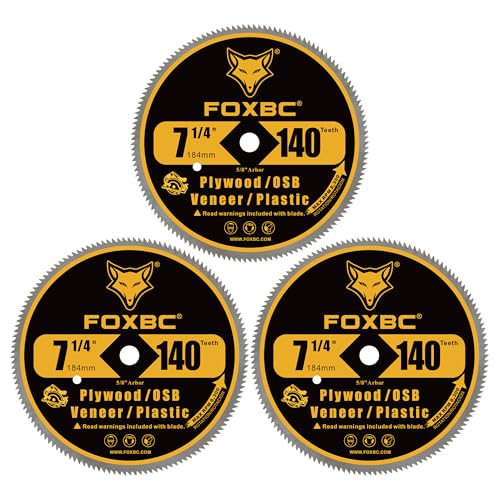
This 7-1/4″ blade has 140 teeth for a fine finish on plywood, vinyl siding, and paneling. It uses a 5/8″ arbor and a 0.086″ kerf for precise, smooth cuts with reduced tear-out. The triple-pack option provides consistent performance across multiple jobs, especially when working on trim and long runs where consistency matters. It’s well-suited for veneers, OSB, and vinyl materials that demand a clean edge.
IRWIN Marathon 7 1/4″, 120T Vinyl Siding Blade

The IRWIN MARATHON blade is designed with silicone coating to reduce pitch and resin buildup when cutting through treated or synthetic materials. The carbide teeth offer durability over extended use, and the alternating thinner teeth pattern provides faster cuts while maintaining edge quality. The heat vent/expansion slot design reduces vibration, contributing to straighter cuts and longer blade life—beneficial for vinyl siding installations that require consistent accuracy.
FOXBC 6-1/2″ 90T Vinyl Siding Blade

This compact 6-1/2″ blade with 90 teeth is designed for paneling and vinyl siding work. Its 5/8″ diamond arbor and 0.08″ kerf offer precise cuts with a balance of speed and edge quality. The blade is packaged in a 3-pack, providing consistent performance across multiple sheets or boards and helping minimize downtime on longer projects. It targets clean miter cuts and smooth face edges essential for vinyl installations.
DEWALT 5 3/8 Inch, 80 Tooth Vinyl Blade
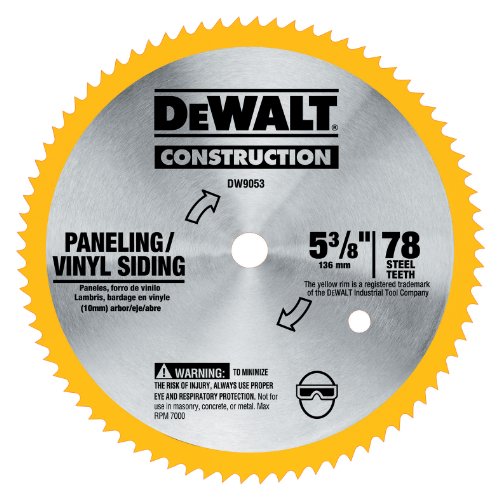
DEWALT’s 5 3/8″ blade provides a compact option with 80 teeth for vinyl projects where space is limited or cut lines need to be tight. The carbide teeth deliver durability and a long cutting life, while the thin kerf supports efficient cutting and reduced motor load. The blade’s 5/8″ arbor compatibility ensures broad saw compatibility across many standard circular saws.
Buying Guide: Key Purchase Considerations
- Tooth count and grind: Higher tooth counts (e.g., 120–140T) yield smoother finishes on vinyl and paneling, especially for fine finish work. For rough cuts or framing, lower tooth counts can cut faster but may require more cleanup.
- Kerf width: A thin kerf reduces material waste and decreases motor strain, particularly on smaller saws. However, very thin kerfs can be more sensitive to alignment and may require steadier handling.
- Arbor size: Most vinyl blades use a 5/8″ arbor. Verify compatibility with your saw to avoid installation issues or wobble.
- Coatings and buildup resistance: Anti-stick or silicone/ polymer coatings help minimize resin buildup and pitch, extending blade life during vinyl cutting.
- Material compatibility: Look for blades labeled for vinyl siding, paneling, plywood, or plastics to ensure optimal performance and edge quality for your specific project.
- Durability and heat management: Carbide teeth and heat-dissipating designs reduce wear and vibration, contributing to longer life and truer cuts on job sites.
- Vibration control: Blades with engineered expansion slots or coatings can reduce vibration, improving control on longer runs and reducing fatigue.
- Cost vs. lifespan: Higher tooth counts and premium coatings usually offer longer blade life on vinyl tasks, which can translate into savings over time on larger projects.
When selecting a blade for vinyl-related work, consider the balance between cut quality, blade life, and your tool compatibility. For projects emphasizing clean edge finishes on siding and paneling, blades with carbide teeth, a fine tooth count, and coatings to curb buildup tend to deliver the most consistent results.