Best Tower for Wind Generator: Top Models for Home and Small Systems
Choosing the right tower to mount a wind generator is essential for efficiency, stability, and safety. This guide highlights five practical wind-turbine products that pair well with residential and off-grid setups. From compact DIY kits to robust multi-blade turbines, these options emphasize wind capture, durability, and ease of installation. The selections reflect a range of budgets and applications, ensuring you can compare features like blade count, materials, and accompanying controllers before you decide.
Summary of Selected Products:
| Product | Brand | Type | Key Feature |
|---|---|---|---|
| NEXTAKE Wind Turbine Model | NEXTAKE | Wind Turbine Kit | |
| Uncedaran Vertical Axis Wind Turbine | Uncedaran | Vertical Axis Kit | |
| EODSAD Axis Wind Turbine | EODSAD | 3-Blade Turbine | |
| pofluany Wind Turbine Generator Kit | pofluany | 5-Blade Generator Kit | |
| Pikasola Wind Turbine Kit | Pikasola | 5-Blade Kit |
NEXTAKE Wind Turbine Model Kit

The NEXTAKE wind turbine model presents a compact, wind-up design that mimics a full-scale turbine. It features three blades mounted on a tall tower, enabling realistic wind capture in a classroom or hobby setting. The blades rotate without batteries, powered by a wind-up mechanism that you wind clockwise for several rounds. Assembly is straightforward, with independent parts that young learners can assemble alone. This kit is ideal for STEM exploration, teaching wind energy principles through hands-on operation.
Uncedaran Vertical Axis Wind Turbine

Uncedaran offers a vertical axis wind turbine model designed for education and experimentation. This kit emphasizes self-assembly, providing practical hands-on operation experience as students and hobbyists explore wind power generation principles. It serves well as a teaching tool in classrooms or makerspaces, illustrating how turbine orientation and wind direction impact performance. The kit emphasizes modular construction, enabling learners to see each stage of turbine assembly and operation up close.
EODSAD Axis Wind Turbine
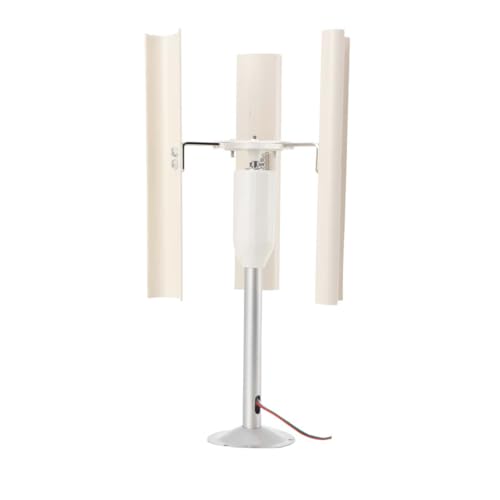
EODSAD’s axis wind turbine pairs a 3-blade rotor with a controller, designed for 12V to 30W outputs. The unit emphasizes rugged build for varied environments—boats, gazebos, cabins, homes, and light industrial applications. While installation is described as straightforward, note that some customers may require additional instructions or video guidance. The turbine prioritizes weather resistance and steady operation, with a focus on low noise and reliable long-term performance in diverse climates.
Wind Turbine Generator Kit 1200W

This kit delivers a higher power class with 1200W output and five blades, designed for home or hybrid wind-solar systems. It includes a controller and a rotor system optimized for maximum wind energy capture. The aluminum alloy body, yaw adjustment, and aerodynamic tail design help align the turbine with prevailing winds for improved efficiency. Built for durability, the kit emphasizes weather resistance and long life, making it suitable for consistent, off-grid use in varying climates.
DIY Small Wind Turbine Kit And Lights

This kit combines a compact wind turbine with an LED light strip, designed for backyard decoration and educational impact. The wind-driven operation lights up a 10-meter tape light, with brightness responding to wind strength. The assembly uses brushless motors and ASA/PC blade materials, notable for durability and weather resistance. It’s a practical demonstration of wind energy in a domestic setting, offering visual appeal and an incentive to explore renewable energy concepts through tinkering and storytelling in outdoor spaces.
Pikasola Wind Turbine Kit 400W

Pikasola’s 400W kit is designed for marine, RV, and home use, offering a 12V system with a five-blade rotor. It highlights a durable, three-phase permanent magnet synchronous generator and a charge controller for safe battery charging. The longer 23.8-inch blades improve power capture, especially under moderate wind conditions. The kit is suitable for hybrid solar-wind setups and is positioned for off-grid applications where reliable wind energy matters for daily power needs.
VioroKew 800W Wind Turbine Kit
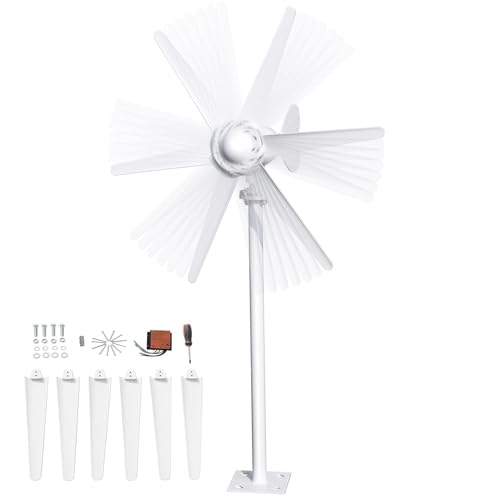
The VioroKew 800W turbine is built for higher power needs with a 12V/24V configuration and a six-blade design. Its die-cast aluminum housing and dual-bearing structure support operation up to winds of 32 m/s, while reinforced fiberglass-nylon blades provide durability in harsh conditions. The three-phase AC generator aims for quiet operation and stable output, aided by an intelligent controller that offers multiple protective features. This kit suits residential off-grid systems and small farms seeking reliable AC power.
Buying Guide: Key Considerations For Tower Selections
- Wind resource and site assessment: Evaluate average wind speeds, gusts, and turbulence to select an appropriate turbine size and blade count. Higher wind areas benefit from larger, rugged turbines, while calmer sites may prioritize low-wind efficiency and lighter towers.
- Tower height and stability: Taller towers capture steadier wind but require more robust mounting, guy wires, and safety clearance. Consider local codes, ice loading, and installation constraints when choosing a tower height.
- Blade design and material: More blades (like five-blade kits) can improve startup and stability in variable winds, but may reduce peak efficiency at high wind speeds. Materials like fiberglass, nylon carbon, and ASA/PC blends affect durability and weather resistance.
- Controller and electrical integration: A reliable charge controller is essential to prevent overcharging and to manage battery health. Look for protections, voltage regulation, and compatibility with your battery bank.
- Ease of assembly and maintenance: DIY kits vary in assembly complexity. Consider parts availability, included instructions, and the need for tools or additional components for mounting and servicing.
- Durability and weather resistance: Systems exposed to salt air, humidity, and extreme temperatures require corrosion-resistant housings, reinforced blades, and sealed connections for longevity.
- Noise and vibration: Some units generate noticeable noise or vibration during operation. If noise is a concern, seek designs with bearings, balanced rotors, and quiet-generating features.
- Cost of ownership: Beyond initial purchase, factor in maintenance, potential upgrades, and compatibility with existing solar or wind setups to estimate total ownership costs.
In selecting a tower for wind generation, align product capabilities with site wind profiles, installation requirements, and the intended use—education, hobby projects, off-grid power, or hybrid systems. The listed options offer a spectrum of blade counts, materials, and controller configurations to help identify a suitable match for your tower and power goals.