Best Solar Generator for RV: Top Portable Power Stations for On‑The‑Go Power
Powering an RV journey with reliable, quiet, and renewable energy is easier than ever. The following solar generators are designed for RV living, camping trips, and emergency backup, pairing lithium-based batteries, solar compatibility, and multiple output options. This guide highlights five standout models and provides a practical buying guide to help you compare capacity, charging speed, expandability, and safety features.
Summary of chosen products
| Product | Battery | Output (W) | Expandable / Extras | Best For |
|---|---|---|---|---|
| BROWEY 1600W Portable Power Station | 1024Wh LiFePO4 | 1600W (3200W peak) | Built‑in solar panel; can connect with more panels | Emergency backup, RV trips |
| Jackery HomePower 3600 Plus | 3584Wh LFP | 3600W (7200W parallel) | Expandable up to 43kWh with multiple units | Whole‑home backup, RV, emergencies |
| Anker SOLIX F3000 | 3072Wh | 2400W solar recharging; 3600W pass‑through | Optional 400W panel; expandable to larger systems | Home use, outages, camping |
| Jackery Explorer 1000 v2 | 1070Wh LiFePO4 | 1500W | Solar panel optional; fast charging features | Camping, RV, short trips |
| VTOMAN FlashSpeed 1500 | 1548Wh | 1500W (3000W peak) | Extra battery and 200W panel included; multi‑package shipping | Off‑grid, RV, emergencies |
BROWEY 1600W Portable Power Station

The BROWEY unit blends portability with substantial power, earning recognition with a design award. It integrates a 1024Wh LiFePO4 battery and a 1600W (3200W peak) pure sine wave inverter. Built‑in MPPT solar charging supports solar input and enables charging devices while collecting sunlight, reducing downtime during trips or outages. With eight ports including AC, DC, and USB‑C PD 100W, this model supports running refrigerators, CPAP machines, and essential devices during RV journeys or home backups.
Key considerations include the longevity of LiFePO4 chemistry—generally 3,000+ cycles to 80% capacity—and safety protections like overvoltage and short‑circuit prevention. The BROWEY system is designed for outdoor use and can jury‑rig a multi‑panel setup for faster solar charging in sunny conditions. Consider pairing with additional panels if you anticipate longer off‑grid periods.
Jackery HomePower 3600 Plus
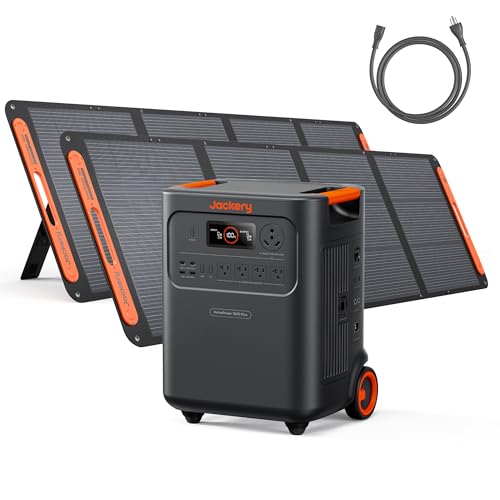
The Jackery HomePower 3600 Plus prioritizes home backup with a robust 3600W continuous output and 3584Wh capacity. Its 6,000‑class surge handles motors and heaters during outages, while parallel operation with other units supports larger loads. The unit supports 120V and 240V in parallel, enabling substantial power for long outages or larger RV setups. It features safe operation with thermal management and a design that minimizes noise and fuel dependence compared with traditional generators.
Important considerations include the system’s expandability, which makes it suitable for multi‑room use in a home or a larger RV. The TT‑30 RV port simplifies plugging into RV electrical systems. For users planning frequent power outages or extended trips, the ability to scale to a larger home backup network is a major advantage, though it comes with greater upfront investment and space requirements.
Anker SOLIX F3000 Portable Power Station

The F3000 pair includes a 3,072Wh battery and a solar panel option, delivering fast solar recharging up to 2,400W and a high‑power pass‑through capability of 3,600W. This configuration is designed for reliable home use, camping, outages, and RV trips, with the option to expand to a larger system via compatible solar panels. The product emphasizes fast recharging and robust safety features, making it suitable for users who need to power essential devices during outages or remote adventures.
When evaluating, consider the separate shipment for the main unit and solar panel, which can impact delivery timing. The SOLIX family often focuses on modular expansion, modular panels, and the ability to scale capacity to fit evolving energy needs—useful for growing RV setups or longer off‑grid excursions.
Jackery Solar Generator 300

The Explorer 300 (293Wh) is a compact, lighter option ideal for solo travelers or short RV outings. It includes a 100W solar panel and dual AC outlets, providing practical power for small appliances and USB devices. The device emphasizes safe power with a stable lithium pack and multiple charging options to diversify how you collect and use power in the field. Its portability makes it a sensible add‑on for users who already own larger systems and want a light supplementary unit.
Key considerations include recharge speed, weight, and versatility. The Explorer 300’s smaller footprint makes it easier to transport, but it’s limited in raw power compared with higher‑capacity models. For weekend trips, its combination of panel charging and quick AC recharge can be highly effective, especially when paired with a larger solar array on days with strong sun exposure.
Jackery HomePower 3600 Plus (Second Model)
Note: The HomePower 3600 Plus model appears again here to reflect its popularity for RV and home backup use. Reiterating its 3600W continuous output and expandable storage highlights its role as a central power hub in larger setups. This platform supports flexible configurations for RV living or emergency preparedness, especially when integrated with additional panels and parallel units. Rack up a multi‑unit system when a steady, full‑home level of power is necessary.
Buying Guide: Key Considerations For RV Solar Generators
Capacity and power output: Determine your essential devices and peak loads. For RVs, consider refrigerators, CPAP machines, lights, and climate control. Higher wattage and larger capacity provide longer operation between charges but require more storage and investment.
Battery chemistry and lifespan: LiFePO4 chemistry offers longer cycles and better thermal stability, making it a safe choice for vehicles and off‑grid use. Look for a battery with thousands of cycles and a long expected lifespan to maximize long‑term value.
Solar charging speed and expandability: MPPT controllers optimize solar charging efficiency. If your trips occur in high‑sun regions, a higher charging rate reduces downtime. Panels should be compatible and expandable to scale energy capacity as needs grow.
Output versatility: A mix of AC, USB‑C PD, and DC ports ensures compatibility with appliances, laptops, and mobile devices. An RV‑specific port like TT‑30 can simplify integration with your vehicle’s electrical system.
Portability and build quality: For RV use, a compact, rugged design matters. Weight, form factor, and protective casing influence how easily the system travels and withstands travel vibrations or weather exposure.
Safety features: Overcurrent, overvoltage, short‑circuit protection, thermal management, and battery management systems are essential. A robust BMS helps protect both the unit and connected devices during operation.
Warranty and support: Longer warranties and accessible customer support are valuable for complex electrical gear used in varied environments. Consider brands with proven service networks and readily available replacement parts.
Usage scenarios: If you prioritize home backup, a high‑capacity system with generous expansion options will serve you better. For RV travel, consider compact units with dependable solar charging and a range of outputs to handle daily needs on the road.
Budget and space: Balance upfront cost with long‑term value. A modular approach—start with a solid core unit and add solar panels or extra batteries—can offer flexibility without excessive initial investment.
In summary, choosing the right solar generator for an RV involves balancing capacity, charging speed, safety, and expandability with your travel patterns. The models highlighted above provide a range of options to suit weekend campers, full‑time RVers, and emergency planners. Assess your load profile, then select a system that can safely and efficiently meet those needs, even when sun is scarce.