Best Portable Power Stations for CPAP Users: Reliable Off-Grid Power on the Go
Portable power stations provide dependable, quiet, and safe backup power for CPAP machines during outages, travel, or camping. The models below are curated for CPAP compatibility, battery longevity, and recharge speed. Each entry includes practical specs, charging options, and considerations for extended use at night. This guide helps you compare capacity, outlets, and safety features to choose a unit that keeps your CPAP running without interruption.
| Product | Capacity | Outlets | Weight | Best For |
|---|---|---|---|---|
| Jackery Explorer 1000 v2 | 1070Wh | AC, USB-C | 23.8 lb | High-demand CPAP and camping |
| Jackery Explorer 300 | 293Wh | 2 AC, USB-C, USB-A, DC | 7.1 lb | Lightweight backup power |
| DARAN Portable Power Station 600W | 288Wh | AC outlets, USB | 8.2 lb | Compact emergency power |
| EnginStar Portable Power Station | 296Wh | 2 AC, DC, USB | 6.5 lb | Multifunction charging |
| Anker 521 Portable Power Station | 256Wh | AC, USB-C, USB-A, car | ~5.5 lb | Balanced portability |
Jackery Explorer 1000 v2 Portable Power Station

The Explorer 1000 v2 combines a 1,070Wh LiFePO4 battery with a robust 1,500W AC output (3,000W surge) to power a CPAP unit, fans, or small devices during outages or outdoor trips. Its 23.8 lb frame includes a foldable handle for easy transport, making it a primary option for home use and RV living. The unit supports a fast-charging mode—up to full battery in about an hour using emergency charging through the Jackery app—while preserving battery health with a 1.7-hour standard charge window. A target feature is long-term durability, with a stated lifespan exceeding 10 years thanks to LiFePO4 chemistry and a high number of charge cycles.
Key considerations for CPAP users: plan for continuous operation through the night, verify CPAP power draw, and factor in any heat or ventilation needs. The Explorer 1000 v2 handles CPAP loads well and also powers multiple devices when traveling. For off-grid living, its higher capacity supports more than one night of backup power, with the option to expand charging by solar when available.
Jackery Portable Power Station Explorer 300
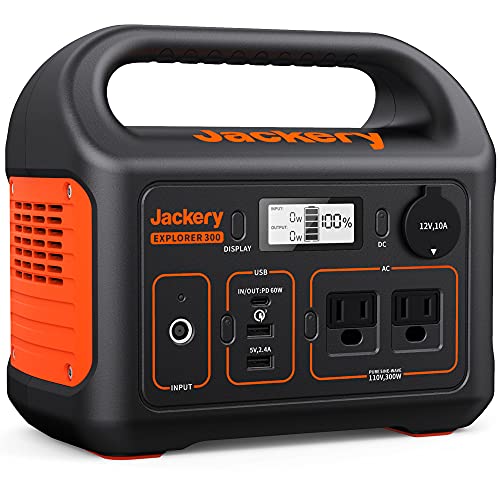
The Explorer 300 offers 293Wh of lithium battery capacity with a 300W rated power output and 2 Pure Sine Wave AC outlets. It weighs only about 7.1 pounds, delivering a portable option that balances size and power. Quick recharge is possible via a 60W USB-C PD input plus AC charging, enabling rapid returns to readiness after use. The compact design includes multiple ports—2 AC outlets, USB-C, USB-A, and a DC car port—allowing CPAP devices alongside a phone, tablet, or camera to recharge concurrently.
For CPAP users, the 293Wh capacity is suitable for shorter trips or weekend getaways. The unit’s light footprint and multiple charging options make it a flexible choice when you need to balance weight with usable power, especially if you’re not staying off-grid for extended periods. Consider keeping a spare battery or solar charging accessory if planning longer stretches away from power sources.
DARAN Portable Power Station 600W

This 288Wh solar generator focuses on dependable, compact backup power with a 350W power supply, suited for devices under 350W. The unit is described as ideal for camping power banks and RV use, with solar, car, and wall charging options—an essential flexibility for CPAP users who may rely on sun-charged energy on outdoor trips. Its portability (under 9 inches in one dimension and light weight) supports straightforward transport from campsite to vehicle. Note that high-power devices such as coffee makers are outside its specified range, but CPAP machines typically fit within its capabilities.
Consider how often you’ll be away from traditional outlets and whether you want a model that emphasizes solar input as a primary charging method. This unit is designed to keep CPAP units running during outages or short trips while staying transportable enough for daily use in a small apartment or at a campsite.
EnginStar Portable Power Station 300W

The EnginStar unit delivers 296Wh and two 110V pure sine wave AC outlets, plus multiple DC outputs and USB ports. Its multiport design accommodates several devices at once, including CPAP machines, phones, laptops, and cameras, while emphasizing safety with a battery management system for temperature and voltage control. The compact build (about 6.5 pounds) enhances portability for travelers who need reliable night-time power without adding bulk to luggage or backpacks. The system supports over 1000 charge cycles, offering long-term use for weekend trips or regular outages.
When selecting a CPAP-friendly power station, consider the balance between continuous power and surge capacity. The EnginStar model provides stable voltage for CPAP use and convenient charging options to keep essential devices powered through the night and into the next day if needed.
ThunderRider Portable Power Station 300W
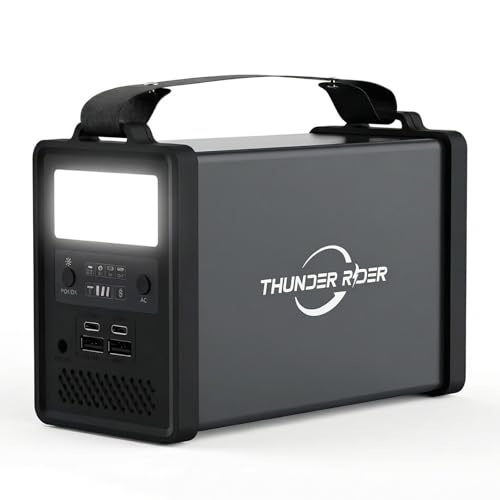
ThunderRider presents a ultralight 299Wh power station designed for CPAP use on camping trips and home emergencies. It features 2 AC outlets, multiple USB ports, and a lightweight frame at roughly 4.38 pounds. The device emphasizes long battery life with a compact footprint, making it a strong choice for hikers or travelers who require standby power without significant weight. The Pure Sine Wave outlet ensures smooth operation for CPAP and other sensitive electronics, while the design supports multiple devices during outages or outdoor activities.
CPAP users should verify how long the unit can sustain nightly operation, given its 299Wh capacity. If your nightly CPAP draw is high, you may need to re-charge more frequently or pair with a secondary charging method (solar or car charger) for extended absence from wall outlets.
MARBERO 300W Portable Power Station

The MARBERO M82-series unit is a 237Wh portable power station with 300W continuous output and 375W peak. Its compact form (about 8.15 x 5.83 x 3.90 inches) weighs around 4.6 pounds, making it highly portable for CPAP users who value travel-friendly power. It offers multiple outputs, including two AC outlets, USB-A, USB-C, and DC ports, to support CPAP devices and other essentials. The device’s small footprint makes it ideal for daily carry or quick weekend trips, while its LED camping lanterns add practical value for camping scenarios.
When evaluating CPAP backup power, consider how many hours of CPAP operation you need per night and whether you expect to rely primarily on a single unit or supplement with solar charging. The MARBERO unit delivers a solid balance of size, cost, and output for many off-grid needs.
Anker 521 Portable Power Station

The Anker 521 Upgraded with LiFePO4 battery delivers a balanced 256Wh capacity with 600W surge support thanks to SurgePower. It features 2 AC outlets, 2 USB-A ports, 1 USB-C port, and a car outlet to cover a wide range of devices, including CPAP machines. LiFePO4 chemistry offers improved lifespan and cycling stability, with an approach designed for long-term reliability in outdoor or emergency use. The unit is designed for easy transport and storage, making it a practical option for daily carry or weekend excursions.
For CPAP users seeking steady power, the 600W surge capacity helps accommodate startup surges from CPAP devices. The 256Wh capacity is suitable for short-duration outages or overnight backup for lighter CPAP loads. If you expect longer outages, you may want to pair this unit with a solar panel or another power station to extend runtime.
Buying Guide: Key Purchase Considerations
- Capacity and CPAP power needs: Determine your CPAP’s wattage and nightly run time. A technician-approved estimate helps pick a battery size that avoids mid-night outages.
- Outlets and power quality: Look for Pure Sine Wave AC outputs to protect CPAP electronics. Ensure there are enough outlets for other devices you carry.
- Recharge speed and methods: Fast charging, USB-C PD, car charging, and solar compatibility affect how quickly you return to full power after use.
- Weight and portability: If you travel frequently, weight matters. Consider handles, form factor, and ease of transport in your choice.
- Lifespan and durability: LiFePO4 chemistry extends cycles and safety, but consider warranty and product certifications for peace of mind.
- Solar charging compatibility: If you expect extended off-grid use, solar input can be a decisive factor in keeping CPAP equipment powered.
- Noise, heat, and safety features: Quiet operation and built-in protections for overcharge, short circuit, and temperature support are important for night-time use.
Across these options, you’ll find models that emphasize capacity for longer trips and heavy-use scenarios, as well as lighter, ultra-portable units for quick runs or weekend outings. Always verify CPAP compatibility and ensure you have a practical charging plan that matches your typical night-time usage patterns. When in doubt, choose a model with LiFePO4 chemistry for longevity and safety in extended off-grid living scenarios.