When it comes to ensuring continuous power during outages or while on the go, having a reliable portable backup generator is essential. This article presents a selection of top-rated portable generators, each offering unique features suited for different power needs, from home backup to outdoor adventures. Whether you want tri-fuel flexibility, solar power capability, or compact inverter technologies, our product summary table below helps you quickly compare your options.
| Product Name | Power Output | Fuel Type | Special Features |
|---|---|---|---|
| Westinghouse 14500 Peak Watt Tri-Fuel Generator | 14500 Peak / 11500 Running Watts (Gas) | Gas, Propane, Natural Gas | Remote electric start, transfer switch ready, long run time |
| GRECELL 300W Portable Power Station | 600W Peak, 330W Continuous | Lithium Battery | USB-C PD 60W fast charging, built-in BMS, lightweight |
| Jackery Explorer 300 Portable Power Station | 300W Continuous (293Wh Battery) | Lithium Battery | Dual AC outlets, fast recharge, lightweight design |
| Westinghouse 12500 Peak Watt Gas Portable Generator | 12500 Peak / 9500 Running Watts | Gasoline | Remote start, transfer switch ready, 12-hour run time |
| Westinghouse 13500 Peak Watt Tri-Fuel Generator | 13500 Peak / 10500 Running Watts (Gas) | Gas, Propane, Natural Gas | Remote start, CO shutdown, multiple outlet types |
Westinghouse 14500 Peak Watt Tri-Fuel Portable Generator

This Westinghouse tri-fuel generator offers exceptional versatility with the ability to run on gasoline, propane, or natural gas. It delivers an impressive 14,500 peak watts and 11,500 running watts on gasoline. Runtime reaches up to 19 hours on a 9.5-gallon fuel tank, while propane use yields about 7 hours on a 20 lb tank. Features include remote electric start, a built-in fuel gauge, and transfer switch compatibility, ideal for larger homes and prolonged power outages.
GRECELL Portable Power Station 300W Solar Generator

The GRECELL 300W power station is a compact, lightweight solar generator suitable for camping and emergency use. It outputs 330W with a 600W surge and 230.88Wh capacity. This unit features fast USB-C PD 60W charging, multiple USB-A quick charge ports, and a robust battery management system to prevent overcharge and short circuits. Silent cooling fans ensure safe operation during extended use.
Jackery Portable Power Station Explorer 300
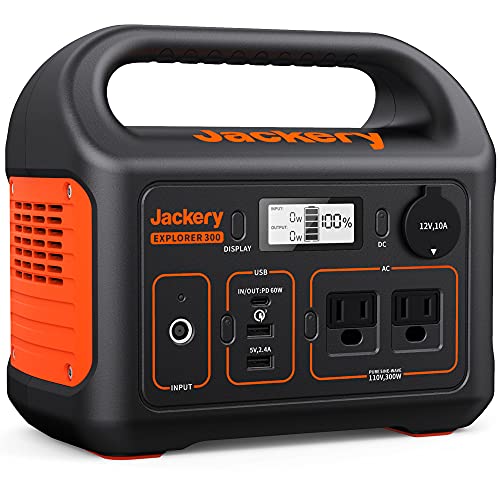
The Jackery Explorer 300 powers multiple devices with its 293Wh lithium-ion battery and stable pure sine wave output. It supports rapid charging, regaining 80% battery capacity in just two hours when using a wall outlet and USB-C simultaneously. It includes two AC outlets, several USB ports, and a carport, making it ideal for outdoor activities and emergency backup.
Westinghouse 12500 Peak Watt Home Backup Generator

This gasoline-powered generator offers 9500 running watts and 12500 peak watts with a 457cc engine for heavy-duty applications. It runs up to 12 hours on a 6.6-gallon tank and features remote start with key fob, multiple outlet types including 120V and 240V, transfer switch compatibility, and safety features like automatic low oil shutdown.
Westinghouse 13500 Peak Watt Tri-Fuel Backup Generator

This tri-fuel generator provides 13,500 peak watts and 10,500 running watts on gasoline. With options to run on propane and natural gas as well, it supports long run times of up to 19 hours and includes safety features like automatic low oil and carbon monoxide shutdown. It also has multiple outlets and is transfer switch ready for seamless home integration.
Buying Guide for Portable Backup Generators
Choosing the right portable backup generator hinges on several key considerations to match your needs effectively.
Power Output
Assess the total wattage required to run your essential appliances and devices simultaneously. Larger homes and more power-hungry equipment need generators with higher running and surge watt ratings.
Fuel Type and Efficiency
Generators typically run on gasoline, propane, natural gas, or lithium batteries. Tri-fuel models offer versatility and fuel availability options. Battery-powered generators provide clean, quiet energy but often with lower continuous output.
Runtime and Fuel Capacity
Consider how long the generator can run on a full tank or charge. Larger fuel tanks or higher battery capacity means longer operation without refueling or recharging, critical during extended power outages.
Portability and Size
Portable generators vary in weight and footprint. Compact inverter models are lightweight and easy to transport but may deliver less power. Heavier units often offer more output but can be bulkier to move.
Starting Method
Remote electric start enhances convenience especially in emergency scenarios. Some models also provide recoil or electric starts for redundancy.
Outlet Types and Compatibility
Ensure the generator has appropriate outlets to power all your devices, including household plugs, RV connections, transfer switch ports, USB charging, and 240V outlets as needed.
Safety Features
Look for automatic low oil shutdown, carbon monoxide detection, overload protection, and covered outlets to reduce risks.
Noise Level
For home or campground use, quieter operation enhances comfort. Inverter generators typically run quieter than traditional engines.