Best Low Profile Angle Grinders for Tight Spaces and Precise Work
When you’re working in confined areas, a low profile angle grinder can be a game changer. These compact models combine lighter weight, slimmer gearcases, and responsive control to help you reach welds, corners, and edging jobs that bigger grinders can’t access. Below is a curated selection of five compact, low-profile options that balance performance, durability, and usability for American tradespeople and DIYers alike. Each product highlights key features to help you compare effectively.
Product Overview Table
| Product | Brand | Power | Key Low-Profile Feature | RPM Range |
|---|---|---|---|---|
| Metabo WEV15-125 HT | Metabo | 13.5 Amp | High torque with compact house design and slip clutch | 2,800–9,600 |
| AIRCAT 6340-A | AIRCAT | 1 HP (Pneumatic) | Slim pneumatic body for tight spots | 11,000 |
| DEWALT DWE4120N | DEWALT | 9 Amp | No-Lock Paddle with low-profile gearcase | 12,000 |
| Metabo WEF9-125 | Metabo | 8 Amp | Flat head design for unobstructed access | 0–9,600 |
| Metabo HPT G12SR4 | Metabo HPT | 6.2 Amp | Compact, lightweight body with spindle lock | 9,800 |
Metabo WEV15-125 HT Lock-On Angle Grinder

The Metabo WEV15-125 HT combines a long-life motor with high torque, enabling quicker material removal. Its electronic variable speed dial helps match RPM to the task, enhancing control and efficiency. A Metabo S-Automatic safety slip clutch adds protection if the accessory jams, reducing kickback risk. This model offers a compact profile without sacrificing power, making it a strong choice for work near corners and tight spaces.
AIRCAT Pneumatic Tools 6340-A: 1.0 HP 4-1/2-Inch Angle Grinder
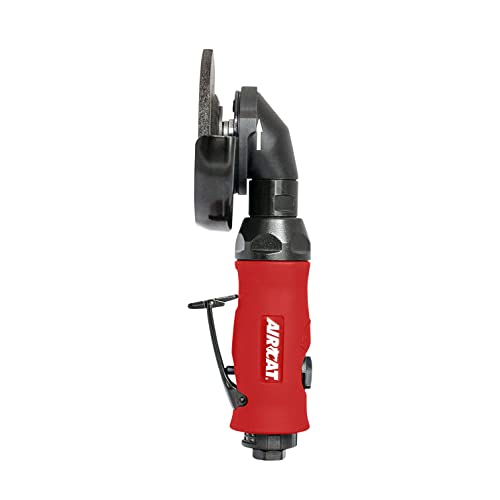
This pneumatic grinder from AIRCAT delivers efficient power at 11,000 RPM with a spindle lock for quick accessory changes. Its multi-positional rotational guard improves access in cramped spaces, and the 1 HP motor helps prevent stall under load. The slim, streamlined design enhances maneuverability in tight spots where electric grinders struggle.
DEWALT DWE402 4.5-Inch Angle Grinder

DEWALT’s 4.5-inch model features a robust 11-amp motor and a dust ejection system that expels debris to extend tool life. The low-profile gearcase enables better access in tighter areas, while the tool’s reliability is supported by durable brushes and a design that prioritizes longevity in demanding environments.
DEWALT DWE4517 7-Inch Angle Grinder

This 7-inch DEWALT model combines high power with a low-profile gearcase, designed to fit in tighter spaces than typical larger grinders. Its rugged construction and long-lasting components contribute to dependable performance in continuous use. The tool’s balance and ergonomics are optimized for comfortable operation during extended grinding sessions.
Metabo WEF9-125 Flat Head Angle Grinder
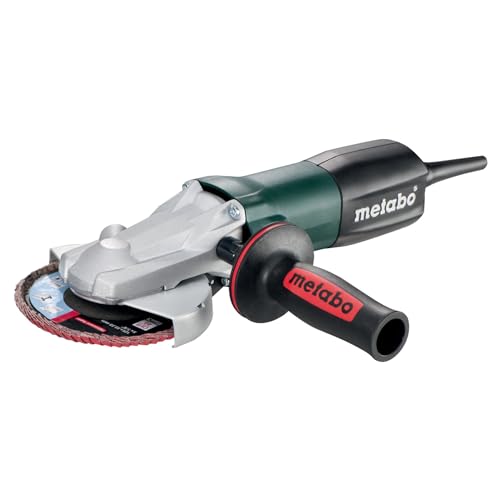
With a flat head design and compact 8-amp motor, the Metabo WEF9-125 is engineered for precision in restricted spaces. The aluminum die-cast gear box increases durability while maintaining a low profile. Its reach and maneuverability make it suitable for edging, close-quarters grinding, and detailed work on metal and masonry.
Metabo HPT 4-1/2-Inch Angle Grinder (G12SR4)

The Metabo HPT G12SR4 packs a compact 6.2-amp motor into a lightweight body, supporting quick disc changes via a spindle lock. The grinder’s compact footprint helps in narrow spaces, while the tool’s overall build quality provides steady performance for grinding and material removal on metal and other hard surfaces.
Buying Guide: Low Profile Angle Grinders
- Cutting depth and profile: Look for a low-profile gearcase and head design that allow access to tight corners, edges, and between structural members without sacrificing motor power or durability.
- Power and speed range: For metal work, a grinder with at least 8–11 amps is common in the 4.5–5 inch class. Variable speed helps tailor RPM to the tool and accessory for controlled material removal.
- Ergonomics and balance: A lighter tool with a balanced grip reduces user fatigue during extended use and improves precision in confined spaces.
- Safety features: Slips, kickback protection, and reliable guards are essential when grinding near edges or in restricted layouts. A spindle lock speeds up accessory changes in tight spots.
- Guard accessibility: Rotating or easily adjustable guards extend reach in cramped areas and reduce the need for repositioning the workpiece.
- Durability and maintenance: Dust resistance, sealed bearings, and a robust gearbox extend tool life in dusty shop environments or abrasive surfaces.
When selecting a model, consider your typical tasks, the space you’ll work in, and whether you prefer corded electric or pneumatic power. For tight corridors, flat-head or low-profile gearcases provide clear advantages. If you frequently switch discs, a spindle-lock mechanism can save time and effort. Finally, assess the availability of spare parts and customer service in your region to ensure long-term reliability.