When preparing for power outages or off-grid adventures, choosing a large natural gas portable generator offers continuous fuel efficiency and dependable performance. This guide highlights five robust options that excel in home backup, job sites, and recreational use. Each model supports natural gas as a power source, with tri-fuel variants expanding versatility. Read on to compare capabilities, runtime, and safety features to help you pick a unit that meets your energy demands without sacrificing reliability.
| Product | Key Power (Gas) | Running Watts | Fuel Type Options |
|---|---|---|---|
| Westinghouse 14500 Peak Watt Tri-Fuel | 14,500 peak | 11,500 running | Gas, Propane, Natural Gas |
| Westinghouse 18000 Peak Watt Tri-Fuel | 18,000 peak | 14,500 running | Gas, Propane, Natural Gas |
| A-iPower 4600W Inverter | 4,600 starting | 3,600 running | Gas only (inverter) |
| Westinghouse 11000 Peak Watt Tri-Fuel | 11,000 peak | 9,000–11,000 running (varies by fuel) | Gas, Propane, Natural Gas |
| Westinghouse 13500 Peak Watt Tri-Fuel | 13,500 peak | 10,500 running | Gas, Propane, Natural Gas |
Westinghouse 14500 Peak Watt Tri-Fuel Generator

The Westinghouse 14500 Peak Watt Tri-Fuel generator offers substantial power with three fuel options: gasoline, propane, and natural gas. It delivers up to 11,500 running watts on gasoline and 9,500 running watts on natural gas, making it a strong choice for larger homes or workload-heavy setups. A heavy-duty 550cc engine supports a long service life, and the unit can run up to 19 hours on its 9.5-gallon tank or about 7 hours on a 20-pound propane cylinder. Remote electric start and a CO shutdown enhance convenience and safety for extended outages or on-site projects.
Westinghouse 18000 Peak Watt Tri-Fuel Generator with CO Sensor

Designed for demanding environments, the Westinghouse 18000 peak-watt tri-fuel unit targets job sites and larger homes. It provides 18,000 peak watts on gasoline and features a 713cc V-Twin engine for robust performance. With propane and natural gas modes, this model sustains power during supply disruptions. A built-in CO sensor protects occupants, while low-oil shutdown and a data center for voltage and runtime monitoring support proactive maintenance. Its long runtimes are supported by a 10.5-gallon tank, making it a capable backup or off-grid solution.
A-iPower 4600W Inverter Generator
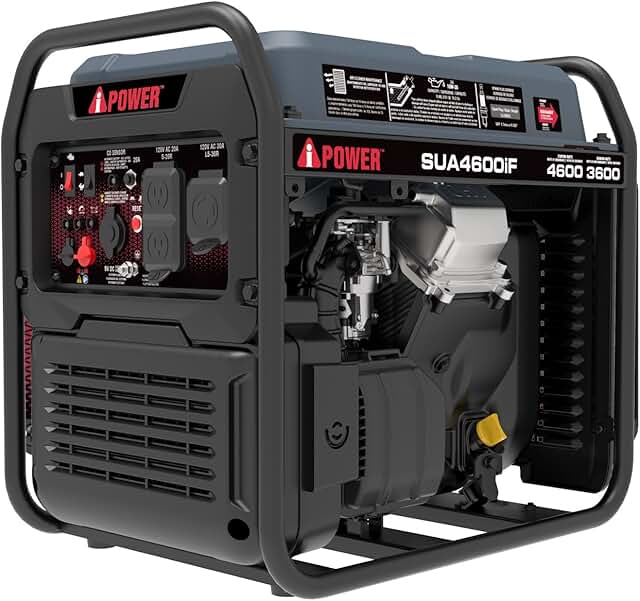
This A-iPower model focuses on portable off-grid power with inverter technology that delivers clean AC power (3% THD) suitable for laptops, TVs, and sensitive electronics. It produces 4,600 starting watts and 3,600 running watts, enough for RVs, camping, and home backup in light-to-moderate loads. Weighing around 56 pounds, it remains highly portable for trips and outdoor events. Although not a tri-fuel unit, its pure power and stability are ideal for users who prioritize quiet operation and fuel efficiency in a compact footprint.
Westinghouse 11000 Peak Watt Tri-Fuel Generator

The Westinghouse iGen11000TFc is a tri-fuel inverter generator that blends the benefits of an inverter with the reliability of whole-home backup features. It delivers 11,000 peak watts on gasoline, 10,000 peak watts on propane, and 8,800 peak watts on natural gas, with running wattage adjusted accordingly. A 50A transfer switch-ready design supports seamless home backup, and the unit emphasizes efficiency with inverter speed regulation and low total harmonic distortion for sensitive electronics. It also includes multiple outlets, GFCI protection, and a CO sensor for safety during extended outages.
Westinghouse 13500 Peak Watt Tri-Fuel Generator

The Westinghouse 13500 Peak Watt Tri-Fuel unit balances power and efficiency with versatility. It delivers 13,500 peak watts and 10,500 running watts on gasoline, 12,500 peak watts and 9,500 running watts on propane, and 10,000 peak watts with 8,500 running watts on natural gas. A remote start feature and CO shutdown offer user convenience and safety. It runs up to 19 hours on a 9.5-gallon tank and includes multiple outlets with rubber covers for weather resistance and ease of use in varied environments.
Buying Guide: Key Purchase Considerations
- Fuel flexibility: Tri-fuel models allow switching between gasoline, propane, and natural gas, enhancing reliability during fuel shortages. Consider your natural gas line availability and the expected frequency of propane or gasoline use.
- Power requirements: Match running watts to essential circuits or full-home backup. For larger homes, prioritize higher peak watts and longer runtimes on your preferred fuel.
- Fuel capacity and runtime: Larger tanks increase runtime between refills. Assess your outage duration needs and whether extended operation is feasible with your fuel source of choice.
- Safety features: Look for CO sensors, automatic low-oil shutdown, and grounded outlets. Inverter-based units typically offer cleaner power for electronics and lower noise profiles.
- Portability vs. capability: Heavier models provide more power and durability but require proper handling and, in some cases, a transfer switch or professional installation for home backup.
- Outlets and compatibility: Ensure the generator has the right outlets (L14-30R, 14-50R, 5-20R, etc.) and that they are protected with weather-resistant covers for outdoor installation.
- Maintenance and data monitoring: Features like digital hour meters, V-Twin engines, and data centers help track maintenance needs and performance history.
For buyers evaluating large natural gas portable generators, consider your home size, typical outage duration, and whether you need portable versatility or a more permanent backup solution. Tri-fuel models offer flexibility in fuel choice, while inverter designs provide cleaner power with reduced noise and better fuel efficiency. Safety features, maintenance requirements, and available outlets should guide final decisions to ensure dependable power when it matters most.