Best Heat Guns for Auto Body Work and Paint Removal
Auto body work often requires precise heat control for tasks such as paint removal, vinyl wrapping, shrinking tubing, and loosening components without damage. The following handpicked heat guns are among the most versatile and reliable options available on the market. This guide highlights top models, their key features, and how to choose the right tool for your shop or DIY projects.
| Product | Brand | Temp Range | Power Type | Best For |
|---|---|---|---|---|
| Wagner Spraytech HT400 Electric Kit | Wagner | 450°F – 680°F (230°C – 360°C) | Electric | Electrical work, shrink tubing, decals |
| SEEKONE 1800W Heavy Duty | SEEKONE | ~1202°F (650°C) max; 50-450°C / 50-650°C modes | Electric | Shrinking PVC, vinyl wraps, crafts |
| Wagner HT1000 Heat Gun Kit | Wagner | 750°F – 1000°F | Electric | Paint removal, shrink wrap, plastic bending |
| BATAVIA 1800W Dual-Mode | Batavia | 752°F / 1112°F | Electric | Vinyl wrap, shrink tubing, crafts |
| DEWALT 20V MAX Heat Gun | DEWALT | Up to 990°F | Cordless | Paint removal, light-duty shrink work |
Note: Temperature ranges are approximate and depend on settings and nozzle attachments. Corded models typically offer longer runtimes for sustained jobs, while cordless options provide portability for tight spaces.
Wagner HT400 Electric Kit Heat Gun
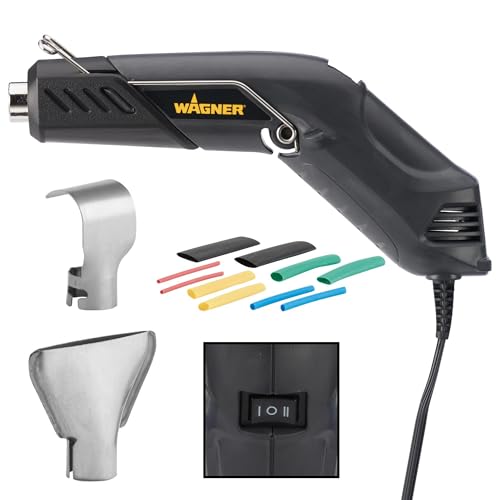
The HT400 is a versatile, dual-temperature heat gun designed for a range of tasks common in auto body work. It offers high (680°F/360°C) and low (450°F/230°C) settings to adapt heat output for shrink tubing, decal removal, and adhesive work. Its three operating positions include a hands-free stand, enabling more precise control during electrical projects or detailed shrink tasks. This model balances portability with practical features for shop use, making it a solid choice for frequent heat-shaping tasks around vehicles.
SEEKONE 1800W Heavy Duty Hot Air Gun

This SEEKONE model delivers robust power with rapid heating up to 1202°F (650°C). It provides two temperature modes (50-450°C and 50-650°C) for flexible control over shrink wrapping, paint stripping, or vinyl work. An overheat protection system protects the unit during prolonged use, and the ergonomic design reduces hand fatigue on longer projects. Four nozzles expand its versatility, allowing broad or focused heat as needed for auto body tasks or crafts.
Wagner HT1000 Heat Gun Kit

The HT1000 offers dual temperatures at 750°F and 1000°F, suitable for a broad range of home and automotive applications. It’s ideal for loosening paint, shrinking heat shrink tubing, and softening plastics without overshooting and damaging surrounding areas. The included nozzles help direct heat for controlled results, reducing the risk of scorching adjacent components. The kit is a reliable option for frequent DIYers and pros performing vehicle-related tasks.
BATAVIA 1800W Dual-Mode Heat Gun

The BATAVIA heat gun emphasizes safety and performance with a dual fuse system to prevent overheating. It features two professional modes: 752°F at 250 L/min for precision work and 1112°F at 500 L/min for demanding tasks like vinyl wrapping or heavy shrink tubing. An ergonomic, lightweight build and protective shielding reduce burn risks during extended sessions. This model targets serious DIYers and professionals needing dependable heat output with protective features.
SEEKONE Mini Heat Gun 350W

The SEEKONE mini heat gun is compact yet capable, offering dual temperatures of 500°F and 842°F. It suits small auto body tasks like vinyl corner work, small shrink applications, and precise detailing. The unit includes a reflector nozzle and a safety shield to help prevent damage to delicate surfaces. Its light form factor makes it ideal for tight spaces in automotive work or hobby projects where a full-size gun would be cumbersome.
Buying Guide: Key Purchase Considerations for Auto Body Work
- Temperature range and stability: Auto body tasks vary from delicate decal removal to aggressive paint stripping. Look for models with adjustable, stable temperature control and a reasonable max temperature (650°C / 1200°F range covers most tasks).
- Heat distribution and nozzles: A kit with multiple nozzles (edge guard, concentrator, flare) helps direct heat away from sensitive areas and provides more control for small components or large wrap sections.
- Power type and runtime: Corded heat guns offer consistent heat for longer sessions. Cordless models provide portability in tight spaces but may require more frequent recharges during heavy use.
- Safety features: Overheat protection, automatic cool-down, and built-in fuses reduce fire risk and equipment wear. A sturdy stand enables hands-free operation for precision work.
- Ergonomics and weight: Prolonged auto body work benefits from comfortable grips and balanced weight. Lightweight designs reduce fatigue during long sessions.
- Durability and warranty: Auto body tasks can be tough on tools. Look for heat guns with solid build quality and reliable customer support or warranties.
- Accessories and value: Consider bundles that include nozzles and stands, which save time and enhance versatility for different tasks like shrinking tubing or paint prep.
When selecting a heat gun for auto body work, match the tool’s capabilities to the most common tasks in your workflow. For paint removal and vinyl work, higher temperature range and robust nozzles are advantageous. For shrink tubing, decals, and light repair, mid-range temperatures with precise control and safety features may suffice. Evaluating power type and ergonomics helps ensure the tool remains practical for daily use in a shop setting.