When cutting cast iron and other hard metals, the right reciprocating saw blade can dramatically improve speed, accuracy, and blade life. This guide highlights top blades designed for thick metal, high-alloy steels, and demanding applications. Each blade features carbide or diamond grit options, enhanced coatings, and specialized tooth designs to minimize heat and gumming while maximizing life. Use the table below to compare key options at a glance.
style=”display:none;”>Product Comparison Table: EZARC Carbide R678HM Endurance • Diablo 9″ Diamond Grit DS0930DGX • Diablo Steel Demon DS0908CF • BOSCH RCB9DG • PAYA TOOLS Carbide 9″ Blade
EZARC Carbide Reciprocating Saw Blade R678HM Endurance
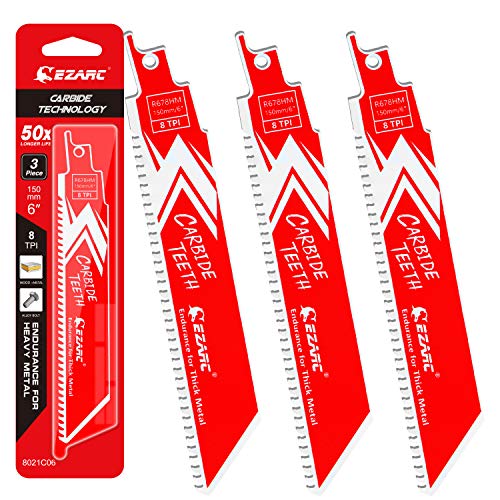
EZARC’s R678HM Endurance blade features carbide technology designed to outlast standard bi-metal blades by up to 50x. An 8 TPI design targets thick metal cutting, including high-alloy construction steels, stainless steels, rebar, and automotive beams. This blade performs well in demanding metal-cutting tasks where conventional blades struggle, offering smoother cuts and extended life in tough environments. Carbide technology provides resilience against heat build-up and wear, making it a strong option for frequent metal-cutting work.
Diablo 9″ Diamond Grit DS0930DGX

This blade uses diamond grit for extended life, delivering up to six times longer cutting life than standard blades. It excels in cast iron, masonry, fiber cement, and fiberglass, with a thin kerf for fast, controlled cuts and a reduced waste. The Perma-Shield coating protects against heat, gumming, and corrosion, helping sustain performance in abrasive materials and challenging job-site conditions.
Diablo Steel Demon Carbide DS0908CF

Designed for extreme metal cutting, this 6″ blade uses a TiCo Hi-Density carbide tip and ultra-hardened edge to deliver up to 50x longer life versus standard bi-metal blades in demanding metal-cutting tasks. The enhanced carbide-to-blade connection offers improved impact resistance, while a Perma-Shield non-stick coating minimizes heat and reduces gumming, ensuring steadier performance when cutting thick metal sections such as stainless and alloy steels.
BOSCH RCB9DG Diamond-Grit Edge

BOSCH’s RCB9DG uses vacuum-brazed diamond grit to deliver efficient cutting of abrasive materials like cast iron, concrete, and brick. It offers up to three times faster cutting and longer blade life than carbide grit blades in heavy-duty applications. The durable construction is well-suited for masonry-adjacent metalwork and other rugged environments where heat and wear are persistent concerns.
PAYA TOOLS Carbide Reciprocating Saw Blade 9-Inch 8TPI

PAYA TOOLS offers a carbide tooth blade with a 9-inch length and 8 TPI, designed for cutting thick metal, cast iron, and alloy steel. Each carbide tooth is precision-ground and individually welded for durability and cutting performance. The blade’s structure aims to withstand tough metal-cutting jobs, reducing the need for frequent blade changes in demanding industrial or workshop settings.
Diablo Steel Demon DS0608CF Carbide Teeth

Another Diablo Steel Demon option, the DS0608CF, features a carbide-tipped edge for extreme metal cutting. The blade is designed to maintain sharpness and deliver high performance cutting in thick metals and high-strength alloys, with a focus on durability and consistent results under harsh blasting or vibration scenarios common in metal fabrication and demolition work.
Buying Guide: Key Purchase Considerations
- Material compatibility: Cast iron and other hard metals demand blades with carbide teeth, diamond grit, or specialized coatings to resist heat and wear.
- Tooth design and TPI: Higher TPI (teeth per inch) provides smoother cuts but slower material removal; lower TPI blades cut faster but may leave rougher edges. For thick metal, 6–8 TPI blades are common.
- Blade length: 6–9 inches covers most common cast-iron cutting tasks. Longer blades reach deeper materials, but may be harder to maneuver in tight spaces.
- Coatings and coatings protection: Perma-Shield or similar non-stick coatings reduce heat, gumming, and corrosion, extending blade life in abrasive materials.
- Carbide vs. diamond grit: Carbide tips excel in steel and iron, while diamond grit blades excel in masonry-adjacent composites and abrasive blocks. Diamond grit blades usually last longer in abrasive cast iron cutting.
- Durability and build quality: Precision-ground carbide teeth and robust welds improve cutting performance and blade life during repeated heavy-duty cuts.
- Blade life vs. upfront cost: Higher upfront cost blades can pay off with longer life and fewer changes on tough sites.
- Application context: For demolition or construction environments with thick cast iron or stainless steel, carbide- and diamond-based options are typically preferred.
- Safety and handling: Use proper PPE and follow tool manufacturer guidance for feed rate, cutting technique, and lubrication if applicable to reduce heat buildup and blade wear.
Choosing the Right Blade for Your Project
For frequent cast-iron or high-alloy steel cutting, blades with carbide teeth or diamond grit are advisable. If you need extended life in abrasive materials or masonry-adjacent tasks, diamond grit blades offer resilience. For quicker rough cuts in metal, consider blades with lower TPI but ensure they are designed for metal cutting to avoid premature wear. Evaluate the job site, material thickness, and desired edge quality to pick a blade that balances speed, precision, and longevity.
Across the options above, blades from EZARC, Diablo, BOSCH, and PAYA TOOLS provide carbide or diamond-based designs tailored for thick metal and cast iron. Each blade varies in tooth configuration, coating, and intended material scope, so aligning the blade’s strengths with your project demands will yield the best results.