Answering the common buyer question: which blade or tool works best for cutting vinyl siding and related trim? This guide highlights five reliable options that balance clean cuts, durability, and ease of use. Best for homeowners and contractors alike, these picks cover circular saw blades optimized for vinyl siding, plus dedicated siding removal tools for quick, damage-free work. The table below summarizes each product’s core use and ideal buyer.
| Product | Best For | Key Benefit |
|---|---|---|
| IVY Classic 35050 Swift Cut 7-1/4″ 128 Tooth | Light gauge aluminum, plastic, vinyl siding up to 1/8″ | Smooth, precise cuts with high-carbon blade |
| IVY Classic 35056 Swift Cut 10″ 200 Tooth | Light gauge metals and vinyl siding up to 1/8″ | Very fine teeth for smoother edges |
| Malco VCB2 EV 10-Inch Vinyl Siding and Fencing Cutting Blade | Vinyl siding and fencing projects | Specialized for siding cuts |
| FOXBC 6-1/2 Inch 90 Tooth Blade | Paneling and vinyl siding | Full kit option with 5/8″ arbor |
| TonGass Vinyl Siding Removal Tool | Vinyl siding removal and installation | Ergonomic, zip-tool style removal |
IVY Classic 35050 Swift Cut 7-1/4″ Blade

Best for light gauge materials, including vinyl siding up to 1/8″ thick. This 7-1/4″ blade features 128 precision ground teeth and a high-carbon alloy-steel construction for smooth, accurate cuts. It is designed for use with a 5/8″ arbor and requires correct rotation direction per arrows on the blade. Suitable for homeowners handling small vinyl siding jobs or trim work, and for professionals who need fast, clean cuts on lightweight plastics and aluminum.
Who it is for: DIY homeowners and contractors needing quick, straight cuts on vinyl siding. Why selected: balanced tooth count and rigid steel give dependable edges. Caution: ensure the blade rotates in the direction of the arrows to maintain safety and accuracy.
Vinyl Siding Removal Tool with Extra Long Handle (AINTXT)
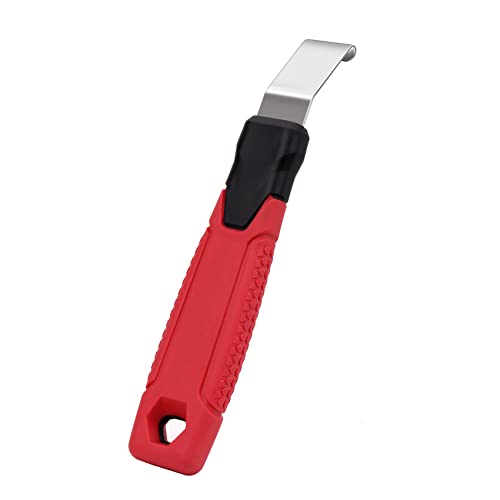
Best for rapid, damage-free siding removal. This tool features a long handle and curved tip that grips the vinyl lip, allowing quick removal from top and bottom edges. The silicone-enhanced grip improves comfort during long sessions, making it suitable for installation and repair work. It aims to reduce tool-induced siding damage compared to traditional screwdrivers or pry bars.
Who it is for: installers and homeowners performing siding removal or replacement. Why selected: efficiency and ergonomic design. Caution: primarily a removal tool; not a substitute for cutting blades when making full panel cuts.
IVY Classic 35056 Swift Cut 10″ Blade

This 10″ blade is optimized for aluminum, plastic, and vinyl siding up to 1/8″ thick, with a higher tooth count for smoother finishes. It uses a 5/8″ arbor and carries a caution to rotate in the direction of the arrows. Best for fine cutting tasks and when a longer blade is needed to cover larger vinyl sections efficiently.
Who it is for: users who prioritize edge smoothness on vinyl and light metals. Why selected: higher tooth density yields finer cuts, reducing finishing work. Caution: thicker materials require a different blade model noted in the product line for best results.
Malco VCB2 EV 10-Inch Vinyl Siding Blade

Specialized for vinyl siding and fencing cuts, this 10-inch blade by Malco is designed for efficient siding work. The blade is rugged enough for repetitive cuts and handles typical siding thicknesses encountered in residential projects.
Who it is for: siding installers and remodeling pros focusing on panels and fences. Why selected: purpose-built for vinyl applications, aiding speed and consistency. Caution: data notes focus on tool type; verify compatibility with your saw’s arbor before use.
FOXBC 6-1/2″ 90 Tooth Blade

A compact choice for paneling and vinyl siding, this 6-1/2″ blade features 90 teeth and a 5/8″ diamond arbor. It is designed for fast, smooth cuts in wood-based paneling as well as vinyl siding and related materials. It is sold as a 3-pack option, offering convenience for busy jobsites.
Who it is for: professionals needing a versatile blade for small-to-medium siding sections. Why selected: good balance between small diameter and tooth count for clean edge finishes. Caution: kerf and tooth wear should be monitored to maintain edge quality over time.
Malco MV12 Andy Combination Vinyl Cutting Snip

This combination snip features replaceable 3-inch high-carbon steel blades designed for precise circular cuts up to 6 inches in diameter. It is suitable for vinyl siding trimming, aluminum trim coil, and related materials. The tool’s aluminum frame and vinyl grips aim to reduce fatigue during longer tasks.
Who it is for: installers needing accurate circular cuts on vinyl siding and trim. Why selected: provides a controllable snipping option for curved cuts. Caution: blades require replacement after wear to preserve performance.
TonGass Vinyl Siding Removal Tool
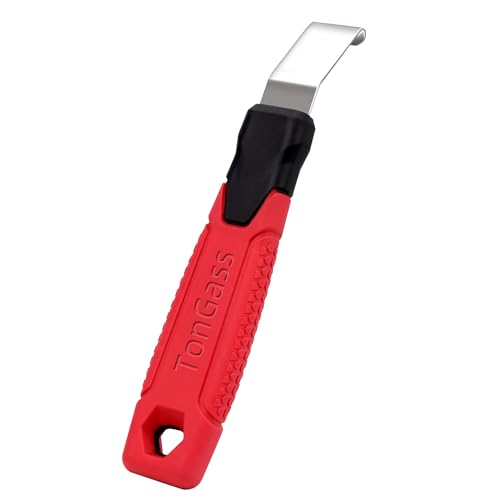
TonGass provides a heavy-duty tool designed for both removal and installation tasks. The tool uses a 1mm-thick quenched steel body with an extra-long red silicone handle for leverage and control. This tool helps in quickly releasing vinyl panels while keeping the siding and wall intact.
Who it is for: pros and DIYers performing siding removal or reinstallation work. Why selected: rugged construction and ergonomic grip for extended use. Caution: primarily a removal tool; not a substitute for dedicated cutting blades when large panel cuts are necessary.
Buying Guide: Key Considerations For Vinyl Siding Cutting Tools
- Material compatibility: Siding thickness and material type determine blade selection. If in doubt, use blades labeled for vinyl and light metals, typically up to 1/8″ thick.
- Blade diameter and arbor: Ensure your saw supports the blade size and arbor (commonly 5/8″). Using an incorrect arbor can cause unsafe operation or poor cuts.
- Tooth count and finish: Higher tooth counts yield smoother edges on vinyl; lower counts cut faster but may roughen edges. Choose based on the desired edge quality.
- Durability and safety: Look for high-carbon steel blades and blades with direction arrows to ensure proper rotation. Follow all safety guidelines during use.
- Ergonomics and ease of use: For frequent siding work, tools with comfortable handles and low fatigue designs help maintain precision over longer sessions.
- Specialized vs. multipurpose: Dedicated vinyl siding blades provide better performance for siding tasks, while general-purpose blades can cover mixed materials when needed.
Frequently Asked Questions
- Q: Can I use a standard circular saw blade for vinyl siding? A: Yes, but for best results use blades designed for vinyl or non-ferrous materials to achieve clean edges and minimize chipping.
- Q: Is a higher tooth count always better for vinyl? A: Higher tooth counts yield smoother edges but cut more slowly; balance with project speed and finish quality.
- Q: Do I need a special tool to remove vinyl siding? A: Removing siding can be done with dedicated removal tools to minimize damage, especially at edges and corners.
- Q: How do I know if a blade rotation is correct? A: Check the blade for directional arrows; install so rotation matches the indicated direction on the blade.
- Q: Are there safety considerations when cutting vinyl siding? A: Wear eye protection, secure the workpiece, and follow saw blade safety guidelines to avoid kickback and burns.
- Q: Should I prefer a multi-pack blade option? A: For ongoing projects, multi-pack blades reduce downtime from changing blades and help maintain consistent results.