Best Air Compressor 300 Psi: Top Picks for High-Pressure Needs
Finding a reliable air compressor that hits 300 psi can be essential for PCP airguns, paintball setups, or other high-pressure tasks. The following selections emphasize safety, portability, and precise pressure control, helping you choose the right unit for your gear. Each product below includes key features and practical considerations to aid in a balanced comparison.
Product Overview
| Product | Brand | Approx. High-Pressure Capability | Notable Strength |
|---|---|---|---|
| GOYOJO PCP Air Compressor | GOYOJO | Up to 4500 PSI / 300 Bar | Auto shut-off, dual power, built-in cooling |
| Generic pcp compressor 12v 300 bar | Generic | 300 Bar / 4500 PSI | One-button start, portable and compact |
| ZHSYMX Ultra Quiet Air Compressor | ZHSYMX | Up to 300 PSI | Quiet operation, versatile mounts |
| SCTSNSR 0 to 300 Psi Gauge | SCTSNSR | 0–300 PSI | Glycerin-filled for vibration resistance |
| Winters 2 inch Dial Pressure Gauge | Winters Instruments | 0–300 PSI | Brass internals, dual scale readability |
The selections above balance high-pressure capability with practical usability. In the sections that follow, each product is explored in detail with its strengths, potential limitations, and how it fits different user needs—whether you’re inflating PCP airguns, tuning pressure systems, or monitoring gauge readings during operation.
GOYOJO PCP Air Compressor

The GOYOJO unit targets hobbyists and outdoor enthusiasts who want a high-pressure inflator capable of filling PCP airguns and other small tanks. It supports up to 4500 PSI (300 Bar) and integrates both 12V DC car power and 120V AC home power, facilitating on-the-go use or home setup. A built-in cooling fan helps manage heat during extended fills, and the automatic shut-off feature ensures precise pressure stops, reducing overfill risks. This model emphasizes portability and an all-in-one design to limit extra adapters.
Key features include a dual-power design, built-in cooling, and an automatic shut-off that can be set to the target PSI. The unit aims for reliable performance across a range of high-pressure applications, from airguns to small dive tanks. Its transformer-style integration is marketed as safer and easier to transport than systems requiring multiple adapters. Pros include straightforward operation and a compact footprint; potential cons include the need to monitor fill times for larger volumes and ensuring compatible hoses and fittings for your gear.
Ideal for: PCP airgun enthusiasts, portable high-pressure inflating tasks, and users who value an all-in-one solution without extra components.
CARBO Instruments 2″ Pressure Gauge
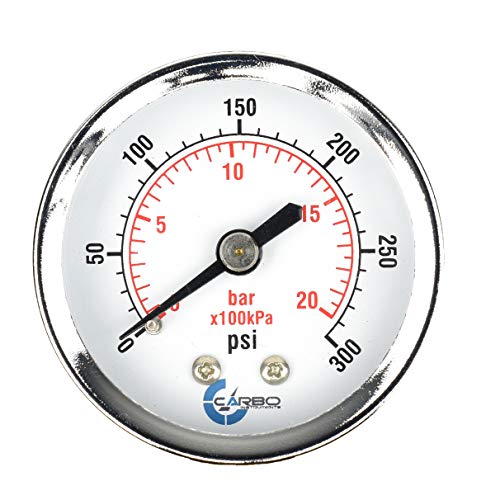
This 2″ pressure gauge from CARBO Instruments focuses on accuracy and durability. With ASME B40.1 Grade B accuracy and dual pressure scales (psi and bar), it’s designed for regulating and monitoring systems that operate around 0–300 psi. The gauge data can be used in HVAC, compressors, hydraulics, and other pressurized systems where precise visual feedback matters. The stainless steel case provides corrosion resistance, and the design accommodates common back-mount configurations. It’s a solid option for users who want reliable, repeatable readings in a robust package.
Pros: accurate readings within the target range, durable construction, straightforward installation. Cons: it is a gauge—not a compressor—so it does not fill high-pressure systems by itself. It’s best used as part of a complete pressure monitoring setup in a workshop or shop environment.
ZHSYMX Ultra Quiet Air Compressor
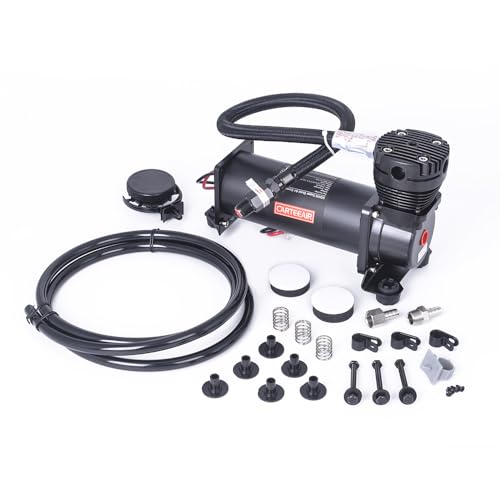
The ZHSYMX unit is positioned for scenarios where noise reduction matters without sacrificing high-pressure performance. Rated to 300 PSI, it emphasizes a quiet operation level (69 dB), making it suitable for garage or home use where sound may be a concern. The setup includes a straightforward installation and an all-in-one design with a mounting bracket for versatile placement in vehicles or fixed installations. The compressor is described as adaptable for car horn systems, air ride suspension, tires, and other air tools, expanding its utility beyond just PCP inflations.
Considerations include the balance between low noise and continuous duty cycles. For users needing regular, high-volume fills, verify duty cycle and heat management in your environment. The included mounting options add convenience for space-constrained workshops or mobile setups, but it may require compatible fittings for your specific applications.
SCTSNSR 0 to 300 Psi Gauge

The SCTSNSR gauge is designed for broader pressure monitoring in a 0–300 psi range. It features the glycerin-filled internals to dampen vibrations and maintain stable readings, a helpful trait in busy workshop environments or when subject to regular vibrations from compressors and equipment. The gauge is surrounded by a corrosion-resistant stainless steel case, which contributes to longevity in oil, water, and air testing scenarios. It offers a clear scale and robust construction for critical measurements in HVAC and pneumatic systems.
Pros include vibration stability and clear readability. Potential drawbacks are that it’s a gauge rather than a full inflator or regulator, so its role is monitoring rather than actively filling, which means it should be paired with a compressor or regulator to complete a system. It’s well-suited for technicians and DIYers who require dependable readings in the field.
New Stainless Steel Liquid Filled Gauge 0–300 PSI

This liquid-filled gauge is designed for steady readings under dynamic conditions. It features a brass interior, stainless steel casing, and a back-mount 1/4″ NPT connection. The glycerin or liquid-filled environment helps dampen needle movement from shocks or pulsations, delivering more stable readings across HP applications. Dual scale readouts (psi and bar) enable easy cross-reference for users who work with international equipment or mixed systems.
It’s a practical gauge for those building or upgrading pressurized systems around 0–300 psi. Consider the space available for a back-mount gauge installation and ensure compatibility with your existing fittings. Its robust materials support durability in workshop environments where tools and compressors operate continuously.
Product Spotlight Buying Guide
When selecting a 300 psi-capable setup, consider the following factors to balance safety, performance, and value:
- Pressure range and accuracy: Ensure the intended application operates within the gauge’s range, and look for models with proven accuracy (such as ASME-compliant gauges or glycerin-filled options for vibration resistance).
- Power and portability: For mobile needs, prioritize dual-power or battery-compatible compressors with reasonable weight and a small footprint. For fixed stations, a 110/120V or 230V option with a solid heat management plan is beneficial.
- Auto shut-off and safety features: Automatic cutoffs help prevent over-pressurization, especially in PCP inflations where precise stops are critical.
- Noise and heat management: Quiet models reduce nuisance in living spaces, but verify duty cycle and cooling for extended use.
- Fittings and compatibility: Confirm hose and regulator compatibility (NPT sizes, quick-connects) to minimize adapters that can introduce leaks or pressure loss.
- Durability and materials: Stainless steel or brass internals and corrosion-resistant housings extend life in environments with moisture or oil exposure.
In practice, buyers should pair high-pressure inflators with reliable primary gauges and a compatible regulator if precise control is essential. For PCP activities, a unit with auto shut-off at the target PSI reduces risk of over-pressurization and keeps workflows efficient. For monitoring, choose gauges with glycerin fill or robust casings to minimize drift and vibration-induced errors.
Comparison snapshot: If you need portable high-pressure inflating, the GOYOJO stands out for dual power and automatic shut-off. For gauge-focused monitoring at 0–300 psi, SCTSNSR and Winters provide solid, durable readings, while the ZHSYMX offers quieter operation with versatile mounting for various vehicle or hobby setups. The Generic option emphasizes straightforward one-button control for quick inflations, albeit with space for improvements in heat management for extended use.
Buying Guide: Key Purchase Considerations
Choosing the right 300 psi-capable tool depends on how you plan to use it. Here are practical guidance points to help you decide without bias toward a single brand:
- Application fit: PCP airguns, paintball tanks, and air tools have varying fill times and temperature sensitivities. Ensure the compressor can deliver consistent 3000–4500 psi fills if needed.
- Power source and mobility: If you’ll use the unit in remote locations, a dual-power design or an option to run from a vehicle battery can be decisive for uptime.
- Safety features: Auto shut-off at the target PSI helps prevent over-pressurization. Look for built-in pressure relief valves and thermal protection to avoid overheating during longer sessions.
- Noise and environment: Consider the noise profile if you operate in a garage or shared workspace. Quiet units are desirable but confirm their duty cycle meets your workload.
- Maintenance and parts availability: Choose models with accessible replacement parts, hoses, and gauges. Stainless or brass internals, along with corrosion-resistant housings, improve longevity.
- Accuracy and calibration: Regularly verify gauge accuracy against a known standard. In sensitive systems, even small deviations can affect performance or safety.
Bottom line: For high-pressure tasks around 300 psi, prioritize units with safe operation controls, heat management, and durable construction. Gauge components should be durable and easy to read, while pumps or inflators should offer reliable shut-offs and straightforward maintenance to sustain long-term use.