Best 60 CFM Air Compressor Options for Home Shops and Garages
When selecting a 60 CFM air compressor, compatibility with your tools, tank size, and duty cycle matter as much as raw psi. This guide highlights five high-performing models that balance power, reliability, and noise within typical workshop environments. Each entry includes core specs drawn from the listed features to help you compare at a glance.
Summary of Selected Products:
- Klutch 60-Gallon Single-Stage Vertical Air Compressor, 3.7 HP, 230 Volts — 9.3 CFM @ 90 PSI, 135 PSI max
- California Air Tools CAT-60040CAD 4.0 HP Ultra Quiet — 75 dBA, 60 Gallon, 12.80 CFM @ 40 PSI; 10.60 CFM @ 90 PSI
- Maxair C5160V1-MAP 60-Gallon, 5HP, 170 PSI max — 18.5 CFM at 100 PSI
- DEWALT 60 Gallon Vertical, 3.7 HP — 11.5 CFM @ 90 PSI, 175 PSI max
- Quincy Electric 60 Gallon Vertical, 3.5 HP — 12.4 CFM @ 100 PSI, 145 PSI max
Klutch 60-Gallon Single-Stage Vertical Air Compressor
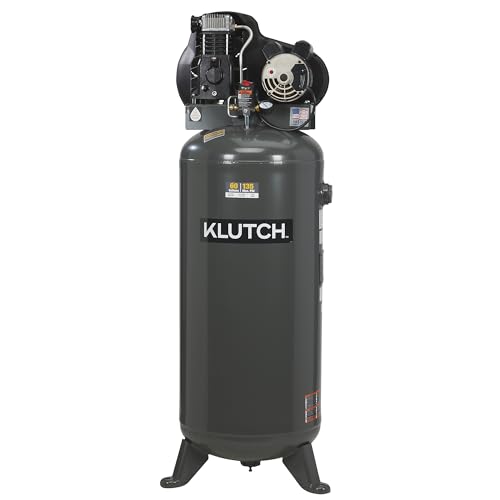
The Klutch model uses a 3.7 HP dual-induction motor capable of delivering 9.3 CFM at 90 PSI with a maximum of 135 PSI. Its cast iron single-stage oil-lubricated pump with stainless steel valves emphasizes durability and reliability for routine workshop use. This setup suits contractors and hobbyists who need steady air output for pneumatic tools like impact wrenches and spray guns. Tank size and motor power balance efficiency with the pump’s lubrication design to reduce maintenance frequency.
California Air Tools CAT-60040CAD Ultra Quiet 60 Gallon

The CAT-60040CAD emphasizes quiet operation with a noise level around 75 dBA, making it suitable for noise-sensitive environments. It features 12.80 CFM at 40 PSI and 10.60 CFM at 90 PSI, supported by twin 2.0 HP motors spinning at a low RPM for longer duty cycles. The oil-free dual-piston pump provides dependable performance with less maintenance, and the overall design aims to deliver cleaner air with fewer contaminants, reducing service downtime in professional settings.
Maxair C5160V1-MAP 60-Gallon Stationary Compressor

Maxair offers a 60-gallon stationary layout powered by a 5 HP electric motor with an 18.5 CFM output at 100 PSI. The extended drain at the base supports long-term maintenance and moisture management, which is important for continuous tool usage. This model targets workshops needing higher air throughput and robust continuous operation, especially for tools that demand consistent air flow over longer periods.
DEWALT 60 Gallon Vertical Air Compressor

DEWALT’s 60-gallon vertical model features a 3.7 HP motor and a maximum of 175 PSI. It delivers 11.5 CFM at 90 PSI, offering steady performance for a range of pneumatic tools. A notable aspect is the versatile voltage compatibility, with a motor designed to adapt to 208V or 230V setups, which can simplify installation in garages or workshops that have limited electrical flexibility. The oil-lubricated design helps sustain performance during heavy-duty usage.
Quincy Electric 60 Gallon Vertical

Quincy’s 60-gallon vertical compressor is rated at 3.5 HP with a maximum of 145 PSI and a 12.4 CFM output at 100 PSI. Quincy is known for durable construction and reliable service life, making this unit a solid option for workshops that require a sturdy, continuous air supply for various tools and pneumatic operations. The single-phase design and vertical tank layout support efficient space usage in tighter shop environments.
Buying Guide: Key Purchase Considerations
- CFM at the working PSI: Compare CFM values at the PSI you typically use (e.g., 90 PSI for most air tools). A higher CFM at your target PSI means faster tool operation and less recovery downtime between tasks.
- Tank size and duty cycle: Larger tanks (60 gallons or more) reduce the frequency of cycling and maintain steadier pressure during extended tool use. Review duty cycle ratings to ensure the compressor can handle continuous workloads without overheating.
- Motor power and type: Oil-lubricated pumps tend to be durable and suited for higher duty cycles, but oil maintenance is required. Oil-free pumps reduce maintenance but may wear faster under heavy use. Consider motor horsepower and voltage compatibility with your electrical setup.
- Noise and environment: If the shop shares space with living areas or you work at odd hours, opt for quieter models (75–70 dBA range). Twin-motor setups can further reduce noise and wear by distributing load.
- Reliability and maintenance: Look for brands with established service networks and readily available replacement parts. Features like stainless valves, cast iron pumps, and easy drain valves help extend life and simplify upkeep.
- Footprint and installation: Assess space availability. Vertical tanks save floor space, while portable units provide mobility. Ensure electrical supply meets the voltage requirements and that the unit has a stable base to minimize vibration.
- Air quality and filtration: Oil-free designs can produce cleaner air with less maintenance, but ensure downstream filtration if you are using sensitive tools or painting applications.
Across these five options, users should weigh the balance between higher CFM output, tank size, and noise level to match their typical workflow. For noise-sensitive environments, the California Air Tools CAT-60040CAD offers the lowest noise among the selection, while Maxair delivers higher CFM for heavier-duty tasks. The DEWALT and Quincy models provide robust duty cycles with reliable brands and broad compatibility with common workshop toolsets. The Klutch unit emphasizes a strong all-around package with a steel tank and durable pump for long-term use.