Best 40 Nm Torque Wrench: Precision Tools for Accurate Fastening
Choosing the right torque wrench for automotive, bicycle, and machinery work ensures fasteners are tightened to exact specifications without damage. This guide focuses on popular 40 Newton-meter (Nm) ranges and equivalent 30-250 ft-lb scales, offering a mix of precision, durability, and value. Each option below is designed to deliver reliable click or beam readings, traceable calibration, and ergonomic handling for frequent use.
Summary table of featured products (key specs at a glance):
| Product | Brand | Torque Range | Drive Size | Calibration |
|---|---|---|---|---|
| LEXIVON 3/4-Inch Drive Click Torque Wrench LX-185 | LEXIVON | 30–300 ft-lb (40.7–406.8 Nm) | 3/4″ | Pre-calibrated ±4% with certificate |
| Hairich 1/2-Inch Drive Click Torque Wrench | Hairich | 40–300 ft-lb (33.9–406.8 Nm) | 1/2″ | ±3% high precision |
| TEKTON 1/2 Inch Drive 72-Tooth Split Beam | TEKTON | 40–250 ft-lb (54–339 Nm) | 1/2″ | ±4% with ASME calibration |
| PUIBERS Torque Wrench 1/2 Drive | PUIBERS | 30–250 ft-lb (40.7–339 Nm) | 1/2″ | ±3% with calibration certificate |
| ANPUDS 1/2-Inch Drive Click Torque Wrench | ANPUDS | 30–250 ft-lb (40.7–339 Nm) | 1/2″ | ±3% with ISO/GB/T/ASME alignment |
LEXIVON 3/4-Inch Drive Click Torque Wrench LX-185

LEXIVON’s LX-185 offers a broad 30–300 ft-lb range and a 3/4-inch drive, making it suitable for larger fasteners on automotive and industrial equipment. The tool ships pre-calibrated to ±4% with a calibration certificate and traceable serial number for compliance purposes. Its reinforced ratchet gear head is built from hardened Chrome Vanadium alloy steel, and a solid steel shaft provides rigidity. An Electro-Black finish helps resist rust and corrosion for longer service life. The combination of accuracy, durability, and a wide torque span makes it a solid choice for professional garages and serious hobbyists.
PUIBERS Torque Wrench 1/2 Drive

The PUIBERS 1/2 drive torque wrench covers 30–250 ft-lb (40.7–339 Nm) with a dual-range scale and 72-tooth mechanism. It includes a quick-release reversible head and a durable chrome vanadium steel body with a non-slip grip. Each wrench is backed by a calibration certificate confirming ±3% accuracy. The dual-range design supports convenient unit conversion between ft-lb and Nm, and the audible or tactile click indicates the preset torque is reached. An included storage set keeps the tool protected between uses, making it a practical option for automotive and machinery maintenance.
TEKTON 1/2 Inch Drive 72-Tooth Split Beam
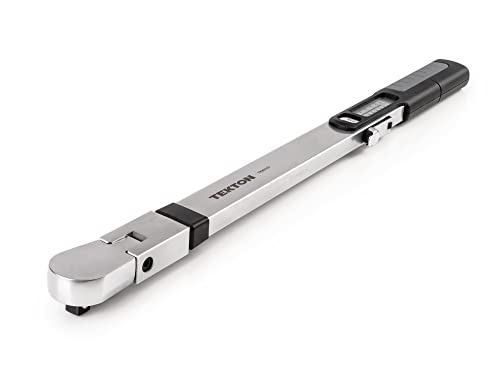
TEKTON’s TRQ62203 is a classic 1/2 inch drive split-beam torque wrench with a 40–250 ft-lb range. It is serialized and calibrated according to ASME B107.300-2010, with detailed test results on the included certificate. The split-beam design can be convenient for quick checks and adjustments, and the wrench typically ships with a protective case. For users needing a reliable, documented calibration history and a balance of precision with a lower cost, this TEKTON model remains a practical option in many professional shops.
Wera Click-Torque C3 (Partial Overview)

The Wera Click-Torque C3 model is a compact 1/2-inch drive torque wrench with a 40–200 Nm range, featuring a reversible ratchet and a distinctive black/green design. The product listing provided emphasizes the configuration and user experience of precision torque setting and audible feedback. Wera’s reputation for durable hand tools makes this a compelling option for projects requiring consistent torque within the 40–200 Nm bracket, though availability of full spec details may vary by listing.
ATsafepro 1/2 Torque Wrench

ATsafepro’s 1/2 drive torque wrench covers a broad 30–250 ft-lb range with dual scales in ft-lb and Nm. It ships pre-calibrated to ±3% accuracy with a reinforced chrome vanadium steel head for durability. The dual-scale readout and an audible or tactile click at the preset torque value provide clear feedback during tightening. Ergonomic design and a readable scale support efficient use in automotive and industrial settings where precision matters.
ANPUDS 1/2-Inch Drive Click Torque Wrench

ANPUDS offers a 30–250 ft-lb/40.7–339 Nm range with dual-range scales and a 72-tooth mechanism. The wrench is pre-calibrated to ±3% and ships with a calibration certificate, supporting ISO and ASME standards. The durable chrome vanadium steel construction, non-slip handle grip, and clear scales are designed for reliable torque control in automotive, truck, and tractor applications. The quick-release head and tactile or audible feedback assist precise tightening in varying lighting and work conditions.
Buying Guide: Key Considerations and Comparisons
- Torque range and drive size: Choose a model offering enough headroom for larger fasteners (3/4″ or 1/2″ drives are common). For general automotive work, 30–250 ft-lb covers most needs; for larger equipment, 30–300 ft-lb or more may be preferred.
- Calibration and accuracy: Look for models with factory calibration certificates and a stated accuracy percentage (±3% or ±4%). Recalibration intervals and traceability improve reliability in professional use.
- Mechanism: Click-type wrenches provide tactile and audible feedback, while split-beam wrenches are useful for quick checks and lighter work. Reversible ratchets and dual-scale displays can simplify use across metric and imperial units.
- Durability and materials: Chrome vanadium steel bodies and reinforced gears resist wear in workshop environments. Finishes like Electro-Black help protect against corrosion.
- Ease of use: Consider lock mechanisms, comfortable handles, clear scales, and included cases. A well-designed grip reduces user fatigue during long sessions.
- Documentation: A calibration certificate and traceable serial numbers assist with compliance in professional settings and fleet maintenance.
- Value and coverage: If you work across a variety of applications, a torque wrench with a broad range and durable build may offer better long-term value than multiple specialty tools.
- Maintenance: Store at proper temperature, avoid exposure to moisture, and periodically verify calibration, especially after drops or heavy use.