Looking for a cross x step ladder that blends stability, versatility, and easy access? This guide highlights five cross ladder options that suit different needs—from compact DIY tasks to heavy-duty professional jobs. Each pick targets a specific buyer profile, such as homeowners needing lightweight folding ladders or industrial users requiring higher capacities and rugged steel construction. Read on to find which model matches your workspace, budget, and safety requirements.
Comparison Snapshot
- Louisville Ladder 4 ft Fiberglass Cross Step (FXS1504) — Best for: versatile, safety-focused tasks with a 300 lb capacity.
- Vestil COL-6-56-44 Steel Crossover Ladder — Best for: durable, industrial use with high weight rating.
- Vestil COL-AL-6-56-23 Aluminum Crossover Ladder — Best for: lightweight, portable setups in industrial environments.
- Taranta 3 Step Ladder — Best for: ultra-lightweight, budget-friendly tasks and quick access.
- Vestil Cross-Over LADDER-5-STEP5 — Best for: tighter spaces needing a compact steel cross ladder.
Louisville 4 ft Fiberglass Cross Step
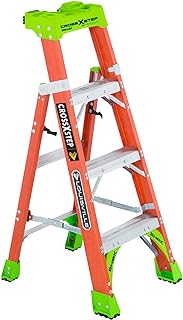
Product highlights: This cross step ladder converts from a step ladder to a shelf ladder, offering a convenient 2‑in‑1 design for closer work access. Its patented Pro Top system provides a V‑shape that leans securely against walls, buildings, and poles. With a robust 300‑pound capacity, it emphasizes durability and reliability. Best for: homeowners and light‑industrial users who need flexible positioning and a stable, high‑load option without sacrificing portability.
Why it’s selected: The combination of versatility (step to shelf), secure leaning design, and strong capacity makes it a strong all‑around choice for varied tasks, from painting to pantry shelving. Limitation: fiberglass construction may be heavier than pure aluminum options, impacting portability for some users.
Best for: tasks requiring versatile reach and stable lean against various surfaces.
Vestil Steel Crossover Ladder, 6 Step

Product highlights: This crossover ladder uses 100% welded steel, delivering rugged durability. It meets OSHA 29 CFR 1910.24 and ANSI A14.7 standards, and features serrated steps for enhanced grip and safety. Best for: maintenance teams and industrial settings where a heavier, safer steel ladder is required for steady footing. Limitation: heavier steel construction can reduce portability compared to aluminum models.
Why it’s selected: The combination of regulatory compliance, robust steel build, and serrated steps offers a reliable, safety‑centered option for high‑demand environments. Choose this if you prioritize long‑term durability and certified safety features.
Vestil Aluminum Crossover Ladder, 6 Step

Product highlights: Aluminum construction supports lighter weight with durable performance. It includes pre‑drilled holes for secure mounting and stable placement, plus safe serrated steps for slip resistance. Best for: industrial environments that require easy transport and straightforward installation. Limitation: aluminum ladders may not offer the same load tolerance as steel in extreme scenarios.
Why it’s selected: The lightweight aluminum design improves maneuverability while retaining practical security features. Choose this if you need quick setup and easier carry between sites without sacrificing stability.
Taranta 3 Step Ladder

Product highlights: Lightweight aluminum design, foldable with a compact profile. Easy to transport and store, with anti‑slip features for stable footing. Best for: quick tasks in small spaces or for users prioritizing portability and budget. Limitation: fewer steps and lower overall height compared to larger cross ladders.
Why it’s selected: Its ultralight construction and foldability make it ideal for casual tasks and frequent height changes. Choose this if you need a budget option for light duties and space‑constrained environments.
Vestil Cross-Over Ladder 5‑Step (5‑Step 48 92-3/4″ H)

Product highlights: This cross ladder meets OSHA 29 CFR 1910.23 and ANSI A14.7 standards. It features serrated, slip‑resistant steps and 100% welded steel construction for rugged long‑lasting use. Best for: industrial settings requiring a higher cross ladder with strict safety and compliance features. Limitation: larger footprint can be less suitable for compact spaces.
Why it’s selected: With high safety standards and a tall profile, this model serves professional environments that need durable construction and secure footing for frequent use in elevated tasks.
Buying Guide: Key Considerations for Cross X Step Ladders
- Home DIY vs. industrial work. Choose based on height needs and load requirements.
- Fiberglass for electrical work and non‑conductive safety; steel for durability; aluminum for lighter weight and portability.
- Ensure the ladder’s capacity matches or exceeds your typical load, including tools and materials.
- Look for non-slip feet, serrated steps, and secure top caps or Pro Top designs for stable leaning.
- Foldable designs and lighter materials enhance transport between jobs or rooms.
- OSHA and ANSI standards can indicate appropriate safety features for professional use.
- Cross ladders with wider bases may need more floor space but provide greater stability.
Frequently Asked Questions
- What is a cross x step ladder best used for? It provides stable access for tasks that require reaching across small work areas, with the flexibility to convert to a shelf/working platform.
- Which material should I choose? Fiberglass is ideal for electrical settings, steel offers maximum durability for industrial use, and aluminum is best when portability matters.
- Do cross ladders meet safety standards? Many models are designed to meet OSHA and ANSI standards, especially steel variants with serrated steps.
- What load capacity is typical? Load ratings commonly range from 300 lbs to 500 lbs, depending on the model and construction.
- How do I choose between steel and aluminum? Steel is heavier but sturdier for demanding tasks; aluminum reduces weight for easier transport, at a potential cost to load tolerance.
- Are cross ladders suitable for tight spaces? Some models have compact footprints or foldable designs that suit restricted areas better.