Discover the best miter saw table extensions that improve accuracy and workflow. This guide highlights five top options ideal for different setups—from portable stands to heavy-duty tables. Whether you need extra working height, a larger fence, or robust capacity, these picks help you tackle long cuts, precise miters, and repetitive tasks with confidence. The buyer profiles below show who each product is best for, along with practical caveats to consider before purchasing. A quick comparison table at the top summarizes key points for fast shopping.
Quick comparison table
- Best for portability and built-in outlets: WEN MSA330
- Best heavy-duty capacity: BORA PM-4000
- Best adjustable fence system: O’SKOOL RTS024
- Best overall workbench feel: Bora Portamate PM-8000
- Best budget universal stand: WEN MSA200
WEN Miter Saw Stand, Collapsible and Rolling with 3 Onboard Outlets
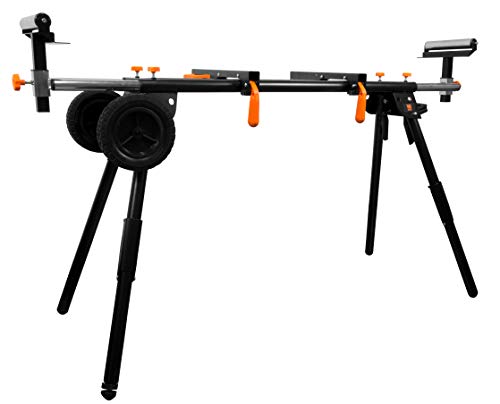
The WEN MSA330 stands out for portability and integrated power. It’s compatible with nearly every miter saw on the market and includes two eight-inch never-flat wheels for easy relocation. The stand elevates the saw 33 inches off the ground, which can reduce fatigue during long sessions. This option is best for DIYers and contractors who need to move their setup between jobs or workshops without sacrificing utility.
- Best for: Small to mid-size workshops that require mobility and convenient power access.
- Why selected: Universal fit, collapsible design, and onboard outlets streamline quick setup.
- Limitations: Not the highest weight rating; consider if you routinely cut extremely heavy materials.
BORA Universal Miter Saw Stand PM-4000

The Bora PM-4000 is designed for heavy-duty use, supporting up to 500 pounds and accommodating miter saws up to 12 inches. It’s ideal for serious carpentry or milling tasks where stability and maximum load capacity are essential. The stand features a quick-release mechanism to lock legs in place and simplify storage. It’s a strong choice for professional shops or job sites with frequent heavy-duty cuts.
- Best for: Heavy-duty applications and larger saws that push typical capacity limits.
- Why selected: High weight capacity and quick-release folding for efficient transport.
- Limitations: Taller and heavier overall; may require more storage space when not in use.
O’SKOOL Miter Saw Fence System (RTS024)
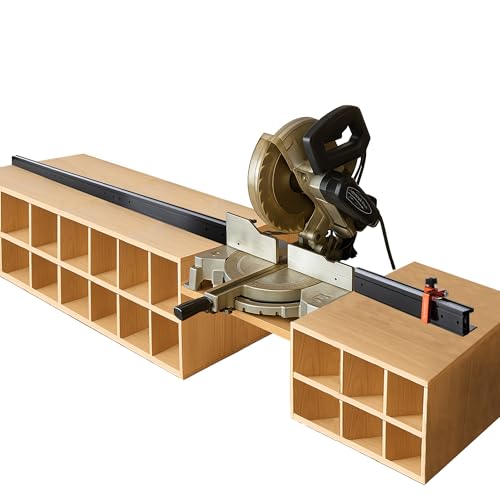
The O’SKOOL fence system offers a modular 68-inch expandable track with a dual-direction measuring tape. It shines for long-board projects and precision fence upgrades. The flip arm with an indexing cursor enables repeat cuts, making it ideal for cabinetmaking or trim work where exact repeatability matters. It’s a good match for users who want a precise, long-range fence without dedicating space to a full table saw fence system.
- Best for: Workshop setups needing long, repeatable fence runs and flexible configuration.
- Why selected: Expands to 68 inches with a clear, repeatable flip-stop for accuracy.
- Limitations: Primarily a fence system; requires a compatible baseline setup to maximize benefits.
Bora Portamate Miter Saw Stand Work Station PM-8000

The PM-8000 combines a workbench with a rolling miter saw stand, offering a sturdy surface plus wing extensions for additional workspace. It’s built to support up to 400 pounds and emphasizes universal fit, with adjustable mounting rails suitable for various saws and power tools. This option is well-suited for professionals needing a stable, larger footprint for carpentry and DIY projects alike, especially those who value a bench-like setup integrated with their saw.
- Best for: Workshop environments that need a versatile stand with extra workbench space.
- Why selected: Solid construction, universal fit, and foldable design for mobility.
- Limitations: Not as compact as pure portable stands; best when space permits.
WEN Universal Collapsible Miter Saw Stand (MSA200)

The MSA200 offers a simple, universal design with collapsibility for easy storage. It supports a broad range of saws and elevates the blade height to comfortable working levels. This choice is ideal for hobbyists or contractors who value quick setup and a lightweight, portable solution without sacrificing compatibility.
- Best for: Budget-conscious buyers needing universal compatibility and easy transport.
- Why selected: Lightweight, collapsible, and broad tool compatibility.
- Limitations: Lower weight rating may limit use with very heavy tools or long-term heavy workloads.
Buying Guide
What matters most when choosing a miter saw table extension?
- Weight capacity — Ensure the stand can support your saw plus material. Heavy-duty stands are essential for large or frequent cuts.
- Portability vs. stability — Consider how often you need to move the setup. Collapsible stands prioritize transport; fixed benches emphasize stability.
- Fence and extension length — Longer fences help with wide boards and long crosscuts. Look for expandable options if you work on varied projects.
- Compatibility — Many stands claim universal fit. Verify compatibility with your specific miter saw model, especially if you own a less common brand.
- Additional features — Onboard power outlets, quick-release legs, and extra wings extend usability; weigh these benefits against storage space.
How to choose between stands and fence systems?
- Stands with integrated shelves or benches are ideal if you need a dedicated workspace beyond the saw itself.
- Fence systems are best when precision and repeatability for long runs matter, such as cabinet components or trim work.
- For multi-tool shops, a modular approach (stand plus fence system) can maximize versatility.
How to evaluate installation and space requirements?
- Measure your workshop or truck bed space to ensure the setup fits with room to maneuver long boards.
- Check floor stability; heavy stands benefit from level, solid surfaces to prevent wobble during cutting.
- Assess storage needs when the stand is collapsed; some models store vertically, others slide into a corner.
Maintenance tips for longevity
- Regularly tighten fasteners and check for frame bends after heavy loads.
- Lubricate moving joints on folding legs to maintain smooth operation.
- Clean saw dust from rails and perimeter to prevent debris buildup that could affect alignment.
Summary of key buyer considerations
- For portable setups with power: choose models like WEN MSA330 or MSA200 with onboard outlets and easy transport.
- For heavy, frequent cuts: select PM-4000 or PM-8000 for higher weight capacity and robust frames.
- For precision fencing and long boards: O’SKOOL RTS024 offers extended, adjustable fence capability with repeatable stops.
Frequently Asked Questions
- What is the main benefit of a miter saw stand with wheels? It enables easy transport between job sites and rearranging workshop layouts with minimal effort.
- Do heavier stands really improve cutting accuracy? Yes, a higher weight capacity and solid construction reduce wobble and vibrations during cuts, improving accuracy.
- Can I use any miter saw with these stands? Most stands advertise universal fit, but check the mounting rail size and screw patterns for compatibility with your saw model.
- Is a dedicated fence system necessary? Not always, but a precise fence helps with repeatable cuts on long boards and cabinet components.
- What should I consider about space when buying? Measure your workspace for length, width, and height to accommodate extended wings and the stand’s footprint.
- Are there safety concerns with collapsible stands? Ensure legs lock securely and always keep the stand on a flat surface during use to prevent tipping.