Answering the needs of construction workers, demolition crews, and heavy-duty landscapers, these anti vibration gloves are designed to reduce HAVS risk and improve comfort during long periods of tool use. The top picks below cater to different work styles: some prioritize maximum palm protection and dexterity, others emphasize lightweight wear and breathability. This guide highlights who each glove is best for and why it was selected.
Summary of chosen products
| Product | Brand | Best For | Why It Stands Out |
|---|---|---|---|
| Anti Vibration Glove (EN ISO 10819) Heavy Duty | Intra-FIT | Heavy demolition and jackhammer work | Full-palm to fingertips anti-vibration padding; high dexterity with PU palm |
| ProFlex 9000 Certified Anti-Vibration Glove (XL) | Ergodyne | Long shifts with power tools | Lightweight, breathable knit with chloroprene palm pad |
| ProFlex 9000 Certified Anti-Vibration Glove (Large) | Ergodyne | All-day wear | Same technology in a standard fit for versatile use |
| NMSafety Anti Vibration Work Glove | NMSafety | Heavy-duty, high-impact work | Vibration reduction coating with HPPE cut protection |
| HANDLANDY Anti Vibration and Impact Safety Gloves | HANDLANDY | Mechanic tasks and varied tools | 5mm SBR padding and breathable back for comfort |
Intra-FIT Professional Anti Vibration Glove (Heavy Duty Jack Hammer)

The Intra-FIT glove is certified EN ISO 10819:2013 / A1: 2019 and EN 388, designed for high-vibration environments. It features a special anti-vibration pad reinforced on the full palm, extending to the fingertips to absorb shock from jack hammers and heavy tools. It aims to alleviate HAVS and improve grip with a top-quality Japan-imported PU palm for dexterity. Best for: users who need strong vibration protection without sacrificing tactile control. Limitation: may feel stiff during quick, light-duty tasks.
Intra-FIT Pro Vibration Glove (HD Jack Hammer) – Variant
This version mirrors the EN ISO 10819:2013 / A1: 2019 and EN 388 certifications with an emphasis on heavy-duty tool operation. The palm reinforcement extends to fingertips for comprehensive protection against high-frequency vibrations. Best for: professionals handling prolonged tool operation who require sustained protection and grip. Caution: identical core features to other Intra-FIT models; verify fit before purchasing if in-between sizes.
Intra-FIT Pro Vibration Glove (EN ISO 10819/2019)
Designed for multi-scenario applications, this glove is certified for EN ISO 10819:2013/A1:2019 and EN 388. It absorbs high-frequency vibrations from tools like angle grinders and demolition breakers, reducing transmission by a significant margin. Best for: workers facing varied equipment across sites. Limitation: padding may feel bulky to users requiring ultra-light gloves for precise tasks.
NMSafety Anti Vibration Oil-Proof Glove
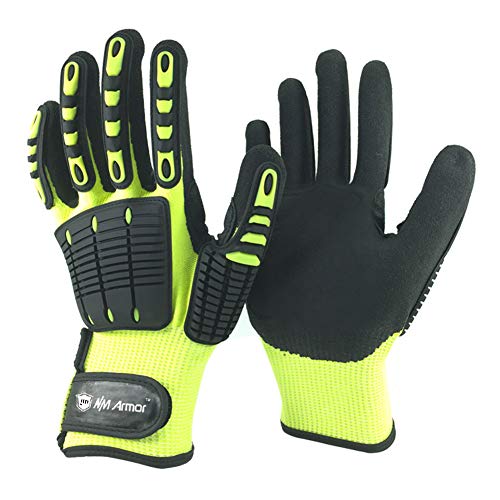
This glove features an innovative vibration reduction coating and an HPPE-based cut protection liner, plus a palm pad to absorb vibration impacts. Best for: workers needing robust protection against both vibration and sharp tools. Caution: ensure a proper fit to maximize palm pad effectiveness; may feel snug at first use.
HANDLANDY Anti Vibration Safety Gloves
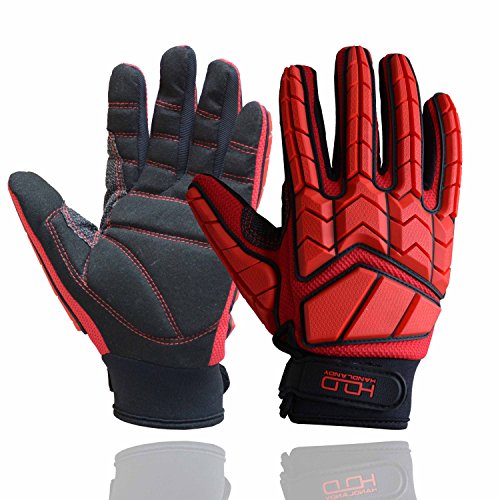
HANDLANDY gloves integrate a 5mm SBR padding on the palm and fingers with a breathable knit back, offering solid vibration dampening for mechanics and heavy tool use. Best for: users needing a comfortable, flexible glove with reliable padding. Limitation: padding distribution may be less uniform for very small hands; verify sizing before purchase.
Ergodyne ProFlex 9000 – Light Anti-Vibration

These gloves combine a chloroprene rubber palm pad with a breathable knit, and carry ANSI S2.73/ISO 10819/EN388/EN420 certification. Best for: users who require a lighter glove with durable palm protection for varied tasks. Caution: design favors breathability; may offer less bulk protection than heavier models in extreme conditions.
Ergodyne ProFlex 9000 – X-Large

This variant mirrors the standard ProFlex 9000 but in an XL fit, suitable for larger hands or extended wrist coverage. Best for: workers who require a roomier fit without sacrificing vibration protection. Limitation: the bulkier fit may be less comfortable for tasks requiring fine motor control.
Buying Guide: How To Choose The Right Anti Vibration Glove
- Protection level: Look for EN ISO 10819:2013 / A1: 2019 certification as a baseline for vibration reduction. Consider palm-to-fingertip padding for maximum HAVS protection.
- Material and dexterity: PU palms increase grip and tactile control, while knit backs improve breathability. Choose based on task precision needs.
- Guarding against hazards: If you face sharp metals or blades, prioritize HPPE cut resistance and TPR impact protection in the glove design.
- Fit and comfort: Sizes vary. If between sizes, size up for a looser fit or down for a snug fit; a comfortable glove improves compliance during long shifts.
- Durability vs. flexibility: Heavier padding offers better vibration dampening but can reduce flexibility. Balance padding with task requirements.
- 行业-specific needs: For demolition and jackhammer use, prioritize full-palm padding that extends to fingertips; for general maintenance, a lighter glove may suffice.
FAQs
- What is EN ISO 10819 certification? It is a standard for anti-vibration gloves that assesses vibration attenuation performance and safety features.
- Should I choose a glove with palm padding or back-of-hand padding? Palm padding directly absorbs tool vibration transmitted to the hand, commonly more effective for jackhammer use.
- Are cut-resistant gloves a good option for jack hammer work? Yes, when combined with vibration protection, HPPE or steel fiber linings add protection against sharp debris and edges.
- How do I know if a glove fits properly? Measure hand width and length; ensure the glove is snug but not restrictive, and check finger mobility for dexterity.
- Can I wear anti vibration gloves for long shifts? Yes, look for breathable knits and lightweight padding to reduce fatigue over time.
- What factors influence glove durability? Material quality, padding placement, stitching, and the glove’s ability to resist oil, water, and abrasion.