Answer: For a 2 inch, 10-foot run, rigid PVC conduits are typically the most durable and code-friendly choice, while flexible and non-metallic options offer easier installation in tight spaces or challenging environments. This guide highlights five reputable 2″ x 10 ft conduits to fit common electrical projects, from indoor basement runs to outdoor installations. The best option depends on environment, exposure, and ease of pulling wires. A quick buyer table follows the introduction to summarize key points at a glance.
| Product | Best For | Key Benefit |
|---|---|---|
| Allied Tube & Conduit 8108 PVC Schedule 40 | General indoor and outdoor wiring | Easy installation |
| CANTEX A52CA12U Schedule 40 PVC Conduit | Typical electrical runs | Plastic PVC, standard schedule 40 |
| 2 Inch Schedule 40 RNC PVC Conduit | Outdoor or buried installations | UV resistant, durable |
| Electriduct 2″ Polypropylene Conduit | Harsh environments | Non-split, high temp tolerance |
| Wocloer 2 Inch Liquid-Tight PVC Conduit | Wet/damp outdoor or direct burial | Flexible and protective |
Allied Tube & Conduit 8108 PVC Schedule 40 Conduit Pipe, 2 In. x 10 Ft Gray

The Allied 8108 is a gray PVC Schedule 40 conduit designed for straightforward, reliable electrical runs. It is listed for standard indoor and outdoor use, with a focus on simple installation. Best for contractors or DIYers seeking a dependable, non-metallic option that resists corrosion and is easy to pull wires through.
Who it’s best for: general residential and light commercial wiring where a durable, corrosion-resistant conduit is needed. Why selected: widely available, cost-effective, and simple to work with for straight runs. Caution: ensure compatibility with surrounding fittings and supports for outdoor exposure, as UV stability is not specified beyond typical PVC performance.
CANTEX Industries A52CA12U Schedule 40 PVC Electrical Conduit, 2-Inch by 10-Feet
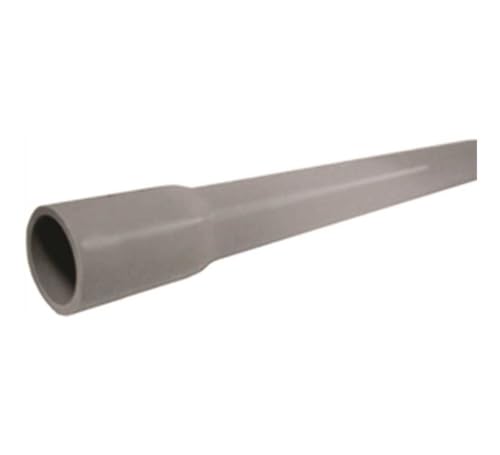
The CANTEX A52CA12U is a standard 2″ x 10′ Schedule 40 PVC conduit. It is designed for reliable, routine electrical installations where moisture and corrosion resistance are important, and it pairs well with common PVC fittings and boxes.
Who it’s best for: projects requiring predictable, widely compatible PVC conduit with easy integration into existing PVC systems. Why selected: strong brand presence and familiar dimensions for quick shopping. Caution: like most PVC conduits, ensure proper UV exposure handling if used outdoors for extended periods unless protected by coverings.
2 Inch Schedule 40 PVC Electrical Conduit Pipe – Rigid Non-Metallic (ETL Listed UL 651)

This rigid non-metallic conduit (RNC) meets UL 651 and NEMA TC-2 standards and is ETL listed. It’s designed for 90°C conductors and is UV-stabilized for sunlight exposure. It’s a solid choice for outdoor runs and direct burial when appropriate encasement is used.
Who it’s best for: outdoor projects, coastal or high-moisture environments where corrosion resistance matters. Why selected: reinforced protection with code-aligned standards. Caution: outer diameter and interior pull properties should be considered for large conductor counts or tight bends.
Electriduct 2″ Polypropylene Non-Slit Wire Loom Conduit – 10 Feet

The Electriduct 2″ non-slit polypropylene conduit is designed for environments with water, oils, or chemicals. Its non-split design helps prevent leakage paths, making it suitable for areas where weather or chemical exposure could compromise other conduits. Better for tight, tricky spaces where a rigid conduit would be difficult to install.
Who it’s best for: installations requiring a robust, non-split, flexible option. Why selected: high temperature range and weather resistance. Caution: polypropylene conduits can be less rigid than PVC, which may affect long straight runs and wire pulling in very tight spaces.
Wocloer PVC Liquid-Tight Conduit – 2 Inch, 25 Foot

The Wocloer 2″ liquid-tight conduit is flexible and designed for wet or direct burial conditions. It offers a corrosion-resistant PVC construction with a smooth interior to ease wire pulling. Suitable for outdoor installations that require moisture protection and some bend flexibility.
Who it’s best for: outdoor or damp environments where direct burial or conduit protection is needed. Why selected: longer length and liquid-tight characteristics can simplify routing. Caution: ensure proper sealing and clamps for long-term outdoor exposure to UV and weathering.
AISIMEE Liquid Tight Conduit 2-Inch 25FT

The AISIMEE 2″ liquid-tight conduit is a flexible PVC assembly featuring an integral rigid and flexible construction. It is lightweight, resistant to corrosion and moisture, and designed for easy one-person installation with fast, tool-free fittings. It is suitable for outdoor use, direct burial, and areas with environmental exposure.
Who it’s best for: quick installations where single-person setup and quick sealing are desired. Why selected: combination of flexibility, resistance, and ease of use. Caution: verify compatibility with fittings and seals for underground use, as long-term performance depends on proper installation.)
Buying Guide: Key Considerations
- Environment: Choose PVC Schedule 40 for general indoor/outdoor runs or liquid-tight conduits for wet or direct burial scenarios.
- Durability vs. Flexibility: Rigid PVC (schedule 40) offers straightforward pulling and protection; flexible PP or liquid-tight options excel in tight spaces or challenging landscapes.
- UV and Weather Exposure: UV-stable formulations are important for outdoor installations to prevent brittleness over time.
- Code Compliance: Ensure UL/ETL listings and NEMA/TC-2 standards when required by local codes and conductor ratings.
- Installation and Tools: Consider ease of cutting, joining, and securing conduits with compatible fittings and stakes or straps.
Frequently Asked Questions
- What is the difference between Schedule 40 PVC conduit and liquid-tight conduit?
– Schedule 40 PVC is rigid and suited for straight runs and burial in some cases, while liquid-tight conduit offers flexibility and moisture protection for exposed or wet environments. - Which conduit should I pick for outdoor use?
– For outdoor use, UV-stable PVC or liquid-tight, weather-resistant options are preferable depending on exposure and whether direct burial is required. - Is 2 inch conduit appropriate for all 2 AWG or larger conductors?
– Conduit sizing depends on the conductor count and fill; verify NEC fill tables to ensure proper sizing for your wires. - Can flexible conduits replace rigid PVC in long runs?
– Flexible conduits are useful in tight spaces or complex routing, but long straight runs may be easier with rigid conduit for pulling capacity. - Are these conduits compatible with standard fittings?
– Most 2″ PVC and non-metallic conduits use standard PVC fittings; confirm compatibility with your chosen fittings and boxes.