Answer: For concrete work, choose a high-impact sledge hammer with a durable head and a long, shock-absorbent handle. This guide highlights top models ideal for breaking concrete, driving stakes, and demolition. Best for professional demolition crews, DIY homeowners tackling stubborn slabs, and landscapers needing reliable heavy blows.
Overview of top picks: The following five hammers balance weight, balance, and durability to handle concrete tasks. Use this quick reference to compare core traits and decide which model fits your work style and frequency. The table below summarizes key specs for fast comparison.
| Product | Weight | Handle | Best For | Notes |
|---|---|---|---|---|
| Estwing 8-Pound Hard Face | 8 lb | 36″ Hickory | Heavy demolition | Ergonomic grip, durable forged steel head |
| Fiskars PRO IsoCore 10 lb | 10 lb | 36″ | Shattering concrete and driving stakes | Shock-absorbing, V-shaped face for debris control |
| Hooyman 8 lb | 8 lb | 35.5″ Fiberglass | Outdoor work and construction | H-Grip, epoxy-sealed head |
| Estwing 16-Pound Hard Face | 16 lb | 36″ Fiberglass | Heavy demolition | Overstrike protection, high hardness |
| Ymachray 10 lb | 10 lb | 35″ Fiberglass | Construction and yard work | Concentrated strike with particulate-filled core |
Estwing 8-Pound Hard Face Sledge Hammer

Features: Forged steel head with 50-55 HRC, 36-inch hickory handle, overstrike protection collar, ergonomic grip. Best for heavy demolition and stake driving where maximum impact is needed.
Best for: Professionals and serious DIYers performing frequent concrete demolition. Why selected: Combines a dense head with a long handle to deliver powerful, controlled swings while reducing user fatigue.
Caution: The long handle can cause over-rotation in tight spaces; ensure ample clearance before a full swing.
Fiskars PRO IsoCore 10 lb Sledge Hammer

Features: Wedged demolition face concentrates force up to 5x more than traditional designs; extra-large driving face improves strike accuracy; shock-absorbing IsoCore mechanisms reduce vibration.
Best for: Concrete shattering and stake driving where debris control and reduced vibration matter. Why selected: The IsoCore system helps sustain longer use in dense demolition tasks.
Caution: Heavier weight may require more control; use proper stance to avoid fatigue during long sessions.
Hooyman 8lb Sledge Hammer
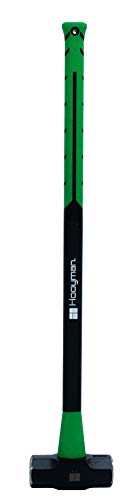
Features: 35.25-inch length, 8 lb head, high-strength steel core, epoxy-sealed head, no-slip H-Grip handle.
Best for: Outdoor construction, yard work, and general demolition where weather and grip reliability are important. Why selected: The grip and core construction provide reliable power in variable conditions.
Caution: For very dense concrete or rebar-heavy applications, consider a heavier model or specialized demolition tools to avoid overexertion.
Estwing 16-Pound Hard Face Sledge
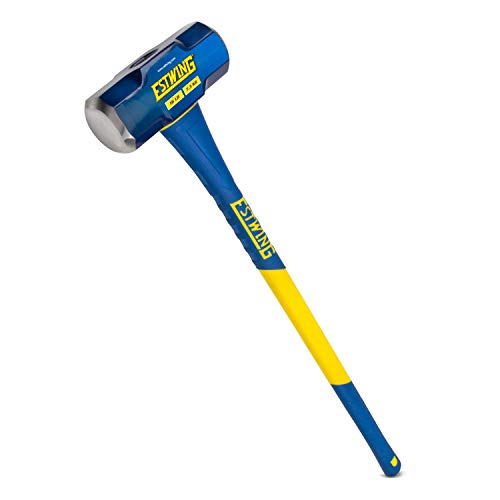
Features: 36-inch fiberglass handle, 16-pound hammer head, induction-hardened to 50-55 HRC, overstrike protection, textured grip.
Best for: Heavy demolition and staking on tough concrete tasks. Why selected: Extra weight delivers higher energy per swing, accelerating breakage of sealed or reinforced concrete.
Caution: Higher weight increases swing effort; use proper technique to minimize fatigue and wrist strain.
Ymachray 10 LB Sledge Hammer

Features: 35-inch fiberglass handle, 10 lb head, particulate-filled fiberglass core, over-mold textured grip for comfort and control.
Best for: Construction and yard work requiring strong, controlled blows with reduced vibration. Why selected: The reinforced core and grip help maintain accuracy during long sessions.
Caution: Heavier hammers require steady stance and proper swing mechanics to avoid hand or wrist fatigue over time.
Buying Guide
What size should you choose?
Weight ranges from 3 to 16 pounds. Lighter hammers (3-8 lb) are better for precision work or beginners, while 10-16 lb hammers maximize impact for dense concrete and extensive demolition. Choose a weight you can control for your typical tasks and space constraints.
How important are the handles and grip?
Longer handles increase swing leverage but require more space. Fiberglass cores with anti-slip grips reduce vibration and hand fatigue, making longer sessions feasible. For wet or gritty environments, a textured or tacky grip improves control.
What face design matters for concrete?
A demolition face, wedge design, and thicker driving faces concentrate force in targeted areas. Some models include overstrike protection collars to guard the handle when the head misses the exact target.
Should safety gear be considered?
Always wear eye protection, sturdy boots, and gloves. Concrete fragments can shatter unpredictably during demolition, and a helmet adds extra protection in busy work zones.
How should you maintain a sledge hammer?
Inspect the head for cracks or mushrooming and ensure the handle is securely attached. Clean off debris after use to prevent corrosion, and store in a dry, stable location.
FAQ
- Which sledge hammer is best for concrete demolition? The Estwing 8-Pound Hard Face and the Fiskars IsoCore 10 lb are strong all-around options with durable heads and vibration-reducing designs.
- Is heavier always better for concrete work? Heavier hammers deliver more energy per swing, but require more control and space. Start with mid-range weights if you are new to demolition.
- What should I look for in the handle? Look for fiberglass or wood/steel cores with a non-slip grip. A longer handle increases leverage but may be cumbersome in tight spaces.
- Can I use a sledge hammer for yard work too? Yes. Hammers like the Hooyman 8 lb are built for yard projects and general construction, offering durable heads and reliable grips.
- Do I need overstrike protection? Overstrike protection helps prevent head detachment when mis-strikes occur, extending tool life in harsh environments.
- How do I avoid vibration fatigue? Choose models with shock-absorbing features and maintain a proper stance to reduce fatigue over long sessions.