Choosing between corded and cordless hammer drills depends on the job, workspace, and the balance you seek between portability and runtime. This guide highlights the top options for American DIYers and professionals, focusing on versatility, motor power, and user intent. Whether you’re drilling into masonry on a jobsite or completing home renovations, these picks help you decide which drill type and model suits your needs. The table below summarizes the five recommended products for quick comparison.
- DEWALT 20V MAX XR Cordless Hammer Drill Driver (DCD996B) — Best for demanding cordless projects
- Skil 7.5 Amp Corded Hammer Drill with Bit Set — Best for extensive corded work
- Hammerhead 7.5-Amp Corded Hammer Drill (HAHD075) — Best for budget multi-function use
- CRAFTSMAN V20 Cordless Hammer Drill Kit (CMCD711C2) — Best for expanding cordless system
- DCA 20V Brushless Hammer Drill (ADJZ2055i) — Best for high efficiency cordless braking and torque
Table: Quick product comparison
| Product | Type | Best For | Key Benefit |
|---|---|---|---|
| DCD996B | Cordless | High-demand cordless work | Brushless motor with up to 75% more runtime |
| HD182002 | Corded | DIY to mid-range masonry | Heavy-duty 7.5 Amp motor |
| HAHD075 | Corded | Frequent bit changes | 2-in-1 function, metal chuck |
| CMCD711C2 | Cordless | Starter cordless system | 2 batteries and charger included |
| ADJZ2055i | Cordless | Heavy-duty drilling | Brushless motor, high torque |
DEWALT 20V MAX XR Cordless Hammer Drill Driver DCD996B
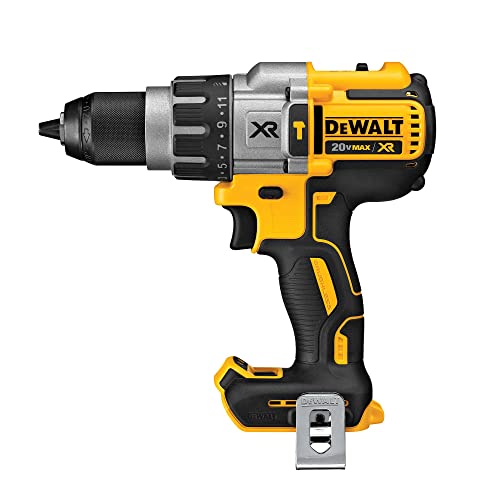
Best for heavy cordless drilling with long runtime. Features a DEWALT-built brushless motor delivering up to 75% more runtime vs. NiCad models and a 1/2-inch nitro-carburized chuck for secure bit gripping. A 3-Mode LED provides bright lighting in dark spaces.
Who it’s for: professionals or serious DIYers who need high power and long runtime without a cord. Why selected: top-tier cordless performance and durable construction. Caution: battery management and charger are required to maximize runtime.
Skil 7.5 Amp Corded Hammer Drill HD182002
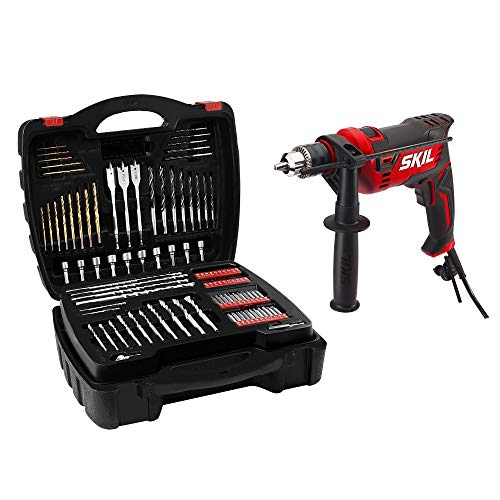
Best for versatile DIY tasks with a powerful corded engine. It handles wood, metal, and concrete and includes a heavy-duty ½-inch keyed chuck for larger bits. Comes with a 100-piece bit set for immediate use.
Who it’s for: homeowners tackling multiple projects with reliable power. Why selected: broad material compatibility and included accessories. Caution: corded design requires proximity to an outlet and may limit mobility.
Hammerhead 7.5-Amp Corded Hammer Drill HAHD075

Best for budget-conscious projects requiring hammer action and easy bit changes. It offers a 2-in-1 function switch and a reliable ½-inch metal chuck. Note: Not suitable for reinforced concrete, as indicated in product data.
Who it’s for: casual DIYers needing affordable power for common drilling tasks. Why selected: cost-effective with practical 2-in-1 functionality. Caution: avoid heavy-duty reinforced concrete work with this model.
CRAFTSMAN V20 Cordless Hammer Drill CMCD711C2
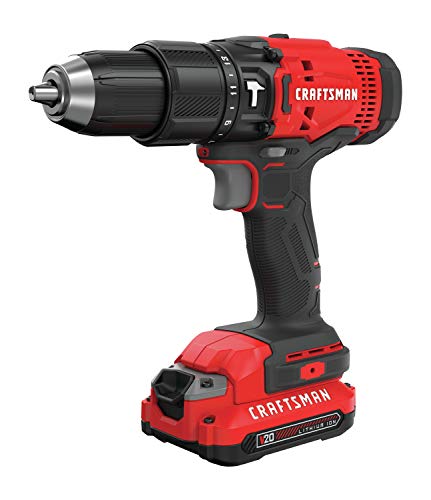
Best for expanding a cordless system with two included batteries. The 1/2-inch chuck and 280 unit watts out support heavy-duty drilling and driving in wood and masonry.
Who it’s for: buyers building a cordless tool collection. Why selected: flexibility of extra runtime from two batteries. Caution: limited information on highest torque compared to premium cordless options.
DCA 20V Brushless Hammer Drill ADJZ2055i

Best for high-efficiency cordless hammer drilling with a brushless 400W motor and up to 492 in-lb torque. Features 0-450/0-1800 RPM and 27,000 BPM for a range of materials, plus a compact design with a 2.0Ah battery and charger.
Who it’s for: professionals seeking strong torque and efficient operation in a cordless format. Why selected: solid brushless power and lightweight design. Caution: battery capacity may limit runtime on heavy masonry tasks.
Buying Guide
What to consider: power, runtime, and compatibility
Power driver selection hinges on your typical jobs. Corded models deliver consistent high torque for continuous work, while cordless variants offer portability and easier transport between sites.
- Motor type: Brushless motors deliver more efficiency and longer runtime. Look for a model with a brushless option if you plan extended use without frequent battery changes.
- Chuck size and type: A 1/2-inch chuck accommodates larger bits. A metal, keyed chuck often improves bit retention for heavy-duty tasks.
- Impact rate and speed: Higher RPM and BPM values support drilling into dense masonry and concrete. Select variable speed to adjust to different materials.
- Battery ecosystem: If choosing cordless, consider compatibility with existing batteries and chargers in your toolkit.
- Weight and ergonomics: Heavier tools reduce control over long sessions. A well-balanced design reduces user fatigue.
When to choose corded vs cordless
- Corded hammer drills are better for long jobs in workshops or where outlets are available. They provide consistent power and don’t require battery management.
- Cordless hammer drills excel for remote work, overhead tasks, and quick projects where a power outlet isn’t accessible.
Common pitfalls and how to avoid them
- Overlooking chuck size can limit bit options. Choose models with a 1/2-inch chuck for versatility.
- Ignoring torque settings may lead to stripped screws or bit slippage. Use the correct torque range and bit for each material.
- Battery life varies with workload. Plan for extra batteries when project length is uncertain.
FAQ
- Q: Do I need a hammer drill for concrete? A: Yes, for drilling into concrete and masonry, a hammer function provides percussive impact to break through material more effectively.
- Q: Is a brushless motor worth it? A: Generally yes, as it improves efficiency and runtime, reducing downtime to recharge or swap batteries.
- Q: What size chuck should I choose? A: A 1/2-inch chuck supports larger bits and higher torque, useful for heavy-duty tasks.
- Q: Can I mix brands in a cordless system? A: It’s best to use tools and batteries within the same voltage ecosystem to ensure compatibility and performance.
- Q: How many batteries should I own? A: For frequent use, two batteries are recommended to swap while one charges.
- Q: Are corded drills safer than cordless? A: Both are safe when used with proper PPE and correct operation. Corded models avoid battery-related issues, while cordless ones offer mobility.