Pedal powered electricity generators convert human energy into usable electrical power, offering a portable, low-noise option for emergencies, camping, classrooms, and DIY projects. This guide highlights five reliable models, comparing power output, portability, and practical use. Each product below links to Amazon for quick reference and purchasing decisions.
| Product | Power (W) | Type | Key Benefit |
|---|---|---|---|
| Pedal Generator 350W – Portable Foot Pedal & Hand Crank | 350 | Manual crank + pedal | Low-noise, compact, dual operation |
| Pedal Power Generator 500W Two Way Dual Dynamo | 500 | Dual dynamo bicycle generator | Higher peak power with flexible wiring |
| Pedal Power Bicycle Generator STEM Emergency Backup System 500W | 500 | Dual generator system | STEM-friendly, 0-100 V DC output |
| 50W Pedal Generator Hand Crank – Walfront | 50 | Hand crank with USB and DC output | Ultra-portable, ideal for small devices |
| Deluxe Hand Crank DC Generator | Up to 15 | Hand crank with high/low switch | Low current protection for LEDs and bulbs |
Pedal Generator 350W – Portable Foot Pedal

The 350W model combines a robust metal gear drive with a silent belt mechanism for low noise operation. Its compact dimensions (34 x 15 x 35 cm) and approximate 7 kg weight make it suitable for portable use in homes, offices, or outdoor settings. The unit supports both pedal action and hand crank operation, enabling flexible power generation when standing or seated. Output depends on the connected load, with resistance adapting to 100W, 200W, or 300W loads, and consistent behavior under short circuit conditions. This design emphasizes practicality and quiet performance for everyday backup needs.
Pedal Power Generator 500W Two Way Dual Dynamo

This system reaches a peak output of 500 Watts and uses two dynamos that can operate independently or together in series or parallel. It’s designed to ride off the rear tire of a bicycle, enabling flexible power generation while on the move or stationary with the bike mounted. The dual generators offer versatility for higher output applications, supporting a range of loads and charging scenarios. It suits hobbyists, campers, and educators exploring pedal-powered energy with hands-on training.
Pedal Power Bicycle Generator STEM Emergency Backup System
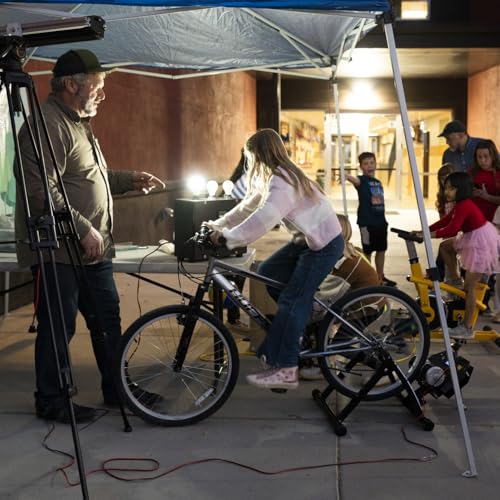
This dual two-way generator system provides up to 500 Watts and is tailored for STEM classrooms and backup power testing. It is compatible with other equipment such as portable power stations and can deliver 0–100 V DC depending on the setup. The design supports charging 12V batteries through appropriate diodes and controllers, offering a dependable DIY power solution for educational demonstrations or emergency preparedness drills. The included configuration is straightforward for setup and experimentation with multiple output paths.
K-Tor Power Box 20 Watt Pedal Generator

The K-Tor power box delivers a compact 20-watt pedal-based output suitable for small devices or charging during brief outages. Its lightweight, compact build makes it easy to carry to outdoor events or classroom demonstrations. The unit remains compatible with standard wall charger interfaces, increasing its utility in mixed power environments where USB charging or small DC devices are needed. This model prioritizes portability and simplicity for quick energy needs.
50W Pedal Generator with USB and DC Output – Walfront
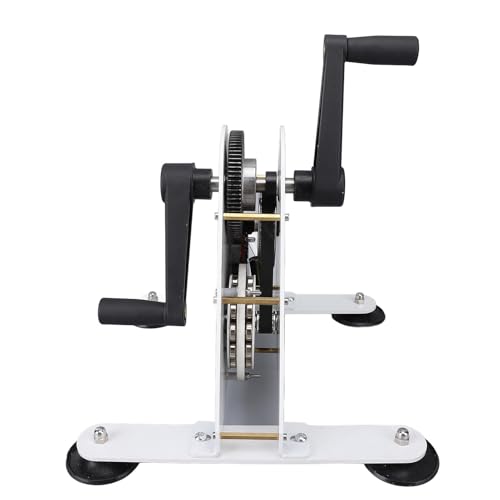
Walfront’s 50W pedal generator emphasizes portability with two USB ports and a DC 1–35V interface. This model is ideal for charging smartphones, small devices, or maintaining essential electronics during outages. Its lightweight design allows use at a table, on a stand, or in a camping setup. The product supports quick power generation in compact spaces and can serve as a practical teaching tool for energy concepts in classrooms or community programs.
Deluxe Hand Crank DC Generator with High/Low Output Switch

This deluxe design features a high/low output switch to limit current, protecting LEDs and bulbs from damage due to excess power. It uses high-performance gears for smooth operation and stability, delivering reliable hand-cranked power suitable for STEM experiments, classroom demonstrations, or simple off-grid experimentation. The compact build makes it easy to prepare for emergency drills or educational activities without requiring a large setup.
Buying Guide: Key Considerations for Pedal Powered Generators
- Power needs: Determine the devices you intend to power. For small essentials like phones and lights, 50–100W may suffice; for fuller autonomy, models offering 300–500W provide more versatility.
- Output type and compatibility: Check whether the unit delivers DC, AC, or both. Evaluate voltage ranges (0–12V, 0–100V, etc.) and whether a blocking diode or charge controller is included or required for safe charging of batteries.
- Portability vs. performance: Heavier, higher-power units are more capable but less portable. Balance your need for mobility with storage space and transport options.
- Durability and noise: Metal gear drives and belt systems tend to be robust but may introduce mechanical noise. Consider build quality, materials, and vibration dampening for quiet operation indoors.
- Configurability: Dual-dynamo setups and series/parallel wiring offer expanded power options. Assess whether you need modular configurations for teaching, demonstrations, or versatile field use.
- Ease of use: Look for ergonomic cranks, comfortable handles, and straightforward wiring. For classroom use, ensure safety features and clear labeling are present.
- Maintenance: Some units require periodic adjustment or lubrication of gears. Consider availability of spare parts and replacement components.
- Portion of use: If the generator will be used as an emergency or backup system, plan for rugged storage, weather resistance, and quick deployment scenarios.
- Cost-to-benefit: While many options are affordable, evaluate total energy output, expected lifespan, and any included accessories to determine long-term value.
- Educational value: For classrooms or STEM projects, prioritize systems with clear documentation, safety features, and potential for hands-on experimentation.
Pedal powered generators provide a hands-on path to energy independence. When selecting a model, consider your typical use case, the required power level, and whether you plan to use the device indoors, outdoors, or in a classroom setting. The models listed here offer a range of outputs, configurations, and portability to suit different scenarios while avoiding reliance on conventional power sources.