When selecting a backup generator with about 7,000 running watts, you want reliable power for essential loads, flexible fuel options, and safety features that protect your family. The following selections cover tri-fuel and dual-fuel models that blend high surge watts, robust running watts, and practical features like electric start, transfer-switch readiness, and CO protection. Use the buying guide after the product profiles to compare key considerations and determine the best fit for home backup, job sites, or recreational use.
| Product | Fuel Type | Running Watts (Approx.) | Key Benefit |
|---|---|---|---|
| WEN TF1450 Tri-Fuel Generator | Gas/Propane/Natural Gas | 11,500 running (gas); 10,300 (propane); 8,750 (natural gas) | Tri-fuel flexibility with electric start |
| Westinghouse 14500 Peak / Tri-Fuel | Gas/Propane/Natural Gas | 11,500 (gas); 10,500 (propane); 9,500 (natural gas) | High peak and strong running watts |
| Westinghouse 12500 Dual Fuel | Gas/Propane | 12,500 peak; 9,500–11,200 depending on fuel | Remote start and long runtime |
| WEN DF1100T | Gas/Propane | 8,300 running (gas); 7,500 (propane) | Compact dual-fuel with wheel kit |
| Generac 12,500 Starting Watt Tri-Fuel | Gas/Propane/Natural Gas | Up to 12,500 starting; 9,000–12,000 running depending on fuel | Durable protection and electric start |
Note: Watt figures vary by fuel type and model. Always calculate your essential load, including refrigerators, HVAC partial loads, lights, and outlets, to determine the minimum running watts you’ll need for reliable operation during outages.
WEN TF1450 Tri-Fuel Generator

The WEN TF1450 is a versatile tri-fuel unit offering gasoline (surge watts 14,500; running watts 11,500), propane (surge 12,500; running 10,300), and natural gas (surge 10,500; running 8,750). It supports 120V and 240V operation, making it suitable for transfer switches and comprehensive emergency backup. An electric start powers the 500cc 4-stroke OHV engine with a simple key turn, enabling quick start during outages. The model’s tri-fuel capability helps balance fuel availability and endurance, a plus for remote sites or longer outages. Consider its noise level, weight, and wheel kit compatibility when planning storage and mobility.
Westinghouse 14500 Peak Watt Tri-Fuel

This Westinghouse model delivers up to 14,500 peak watts with running watts around 11,500 on gasoline, and similar performance on propane and natural gas. The triple-fuel capability ensures options during fuel shortages, while a robust 550cc OHV engine supports long runtimes. Features often include a large fuel tank and a built-in hour meter, plus transfer switch readiness for home backup. For households relying on electronics or medical devices, check the unit’s outlet configuration and voltage stability.
Westinghouse 12500 Dual Fuel

With 12,500 peak watts and up to around 11,200 running watts depending on the fuel, this dual-fuel option includes remote start via key fob and multiple outlets, including a transfer switch-ready connection. A 6.6-gallon tank supports up to 12 hours of operation under certain loads, and the digital hour meter helps with maintenance planning. The unit’s heavy-duty construction and safety features suit home backup and job-site use where reliability matters.
WEN DF1100T 11,000-Watt Dual Fuel
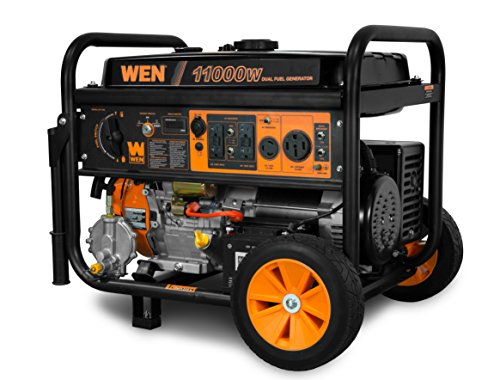
The DF1100T offers dual-fuel flexibility with 11,000 surge watts (gas) and 8,300 running watts, or 9,500 surge and 7,500 running on propane. It features 120V/240V operation, a wheel kit, and electric start, which streamline setup during outages. This model is designed for users who need a balance of power and portability, including RV enthusiasts and light construction sites. Evaluate your most common loads to confirm whether this capacity supports your essentials.
Generac 12,500 Starting Watt Tri-Fuel
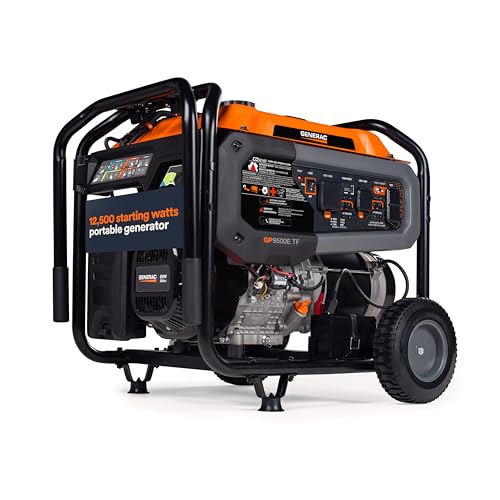
Generac’s tri-fuel design delivers up to 12,500 starting watts with strong running watts across gas, propane, and natural gas. Electric start adds convenience, and a rugged enclosure provides protection in harsh weather. The model is positioned for home backup, job-site resilience, and RV readiness, with a focus on safety features and durable construction. When planning installation, confirm transfer switch compatibility, noise considerations, and maintenance intervals to maintain dependable performance.
Buying Guide: Key Purchase Considerations
- Fuel flexibility: Tri-fuel units offer the broadest fuel options, reducing the risk of running out of gasoline. Dual-fuel models are simpler and often lighter, but limit fuel choices to two types.
- Power needs and load planning: Create a load estimate (fridge, lights, critical appliances, and a few outlets). Target a running watt rating that comfortably exceeds your essential loads, with surge watts enough for startup surges of motors and compressors.
- Transfer switch readiness: For home backup, ensure the generator can connect to a transfer switch or is compatible with an RV connection if you plan portable use. This simplifies safe isolation from the grid during outages.
- Starting mechanism: Electric start is convenient, especially in cold or urgent outages. Manual recoil starts can save weight and cost but require effort during operation.
- Run time and fuel economy: Look at the tank size and fuel efficiency to understand how long you can operate between refuels. CO sensors and automatic shutoffs add safety for indoor or semi-enclosed use.
- Engine and build quality: A cast-iron sleeve, OHV design, and automatic oil shutdown extend life and reliability under heavy use. Check warranty terms and local service availability.
- Outlets and safety features: GFCI outlets, covered receptacles, and ergonomic outlets help protect devices and users. A digital hour meter and maintenance reminders support long-term upkeep.
- Noise and portability: If you’ll use the generator near living spaces, consider models with quieter operation or sound-dampening features. Wheel kits and handles improve mobility for outdoor or job-site use.
By comparing these factors, you can select a generator that balances power, reliability, and flexibility for your typical outages or remote work scenarios. Remember to verify current specifications directly with the manufacturer or retailer before purchase for the most up-to-date details.